UK Foreign Secretary Pushes India Partnership on Maritime Security and Critical Minerals During Visit
UK Foreign Secretary Pushes India Partnership On Maritime Security, Critical Minerals During Visit
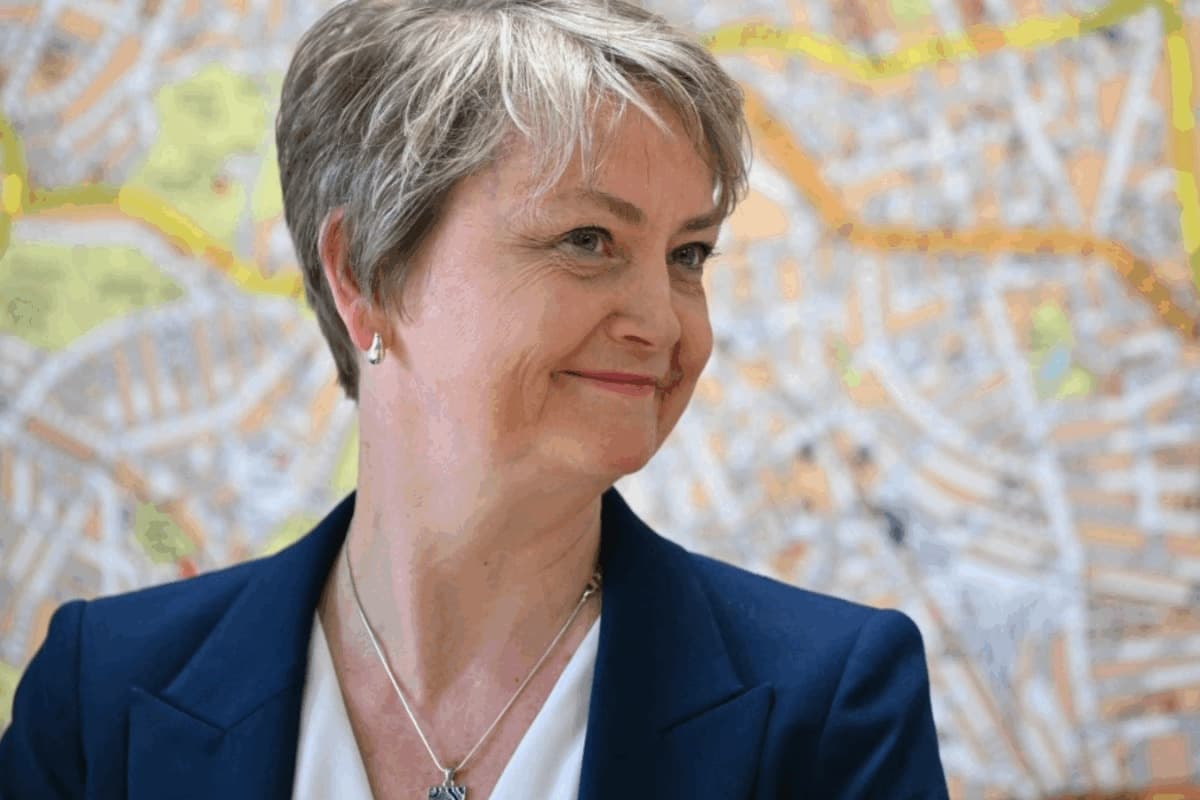
Yvette Cooper’s high-level diplomatic visit to New Delhi marks a strategic pivot toward securing global supply chains and trade routes under the Vision 2035 framework.
British Foreign Secretary Yvette Cooper concluded a significant visit to New Delhi this week, signaling a robust expansion of the India-UK strategic partnership. The visit, which included high-level engagements with Prime Minister Narendra Modi and External Affairs Minister S. Jaishankar, was fundamentally aimed at operationalizing the ambitious India-UK Vision 2035 roadmap established by PM Modi and British Prime Minister Keir Starmer. Central to the dialogue were two pillars of modern statecraft: the protection of fragile maritime trade routes and the stabilization of critical mineral supply chains.
Securing the High Seas
Maritime security emerged as a primary theme during the secretary’s visit, driven by mounting anxieties over global shipping disruptions, particularly in sensitive regions like the Strait of Hormuz. Recognising that both nations share a vested interest in the stability of international trade, the UK and India officially launched the Regional Maritime Security Centre of Excellence (RMSCE). This initiative is designed to foster deeper bilateral collaboration, allowing both navies to better anticipate, monitor, and respond to emerging threats that could cripple global economic flows.
Mapping the Mineral Future
As the world transitions toward green energy and advanced technological manufacturing, the security of rare earth elements has become a geopolitical imperative. During a meeting with Union Coal and Mines Minister G. Kishan Reddy, Cooper inaugurated the Critical Minerals Global Supply Chain Observatory (GSCO). This AI-driven platform represents a tangible step in the UK-India Techno-partnership, intended to provide real-time data on mineral flows. By identifying potential vulnerabilities in the supply chain before they manifest as crises, the observatory aims to shield both nations from the volatility of resource-dependent markets.
A Broader Geopolitical Context
The timing of the visit is notable, occurring amid a flurry of diplomatic activity in the Indian capital. While the UK delegation focused on bilateral industrial and security cooperation, New Delhi has simultaneously been hosting high-level talks involving Quad partners. Observers note that while the UK’s bilateral efforts are distinct, they contribute to the broader "Indo-Pacific unity" narrative currently being shaped by Western powers. This convergence of interests—spanning maritime surveillance, rare earth security, and technological collaboration—underscores India’s growing role as an indispensable node in the global security architecture.
Looking Ahead
The diplomatic push comes at a time when the UK is clearly prioritizing its relationship with India as a counterweight to broader global economic shocks. By weaving together the threads of maritime surveillance and resource security, the two nations are moving beyond traditional trade talks toward a more integrated security alliance. As the Vision 2035 framework gains momentum, the success of the new RMSCE and GSCO initiatives will likely serve as a benchmark for how effectively India and the UK can turn strategic declarations into actionable, real-world security outcomes.
The PoliticalPedia Editorial Desk brings verified, sourced political news and analysis from across India.