Iran Tells Trump to 'Live in the Real World' as Diplomatic Tensions Simmer
'Live in real world': Araghchi plays down Trump's 'would like to meet Khamenei' remark
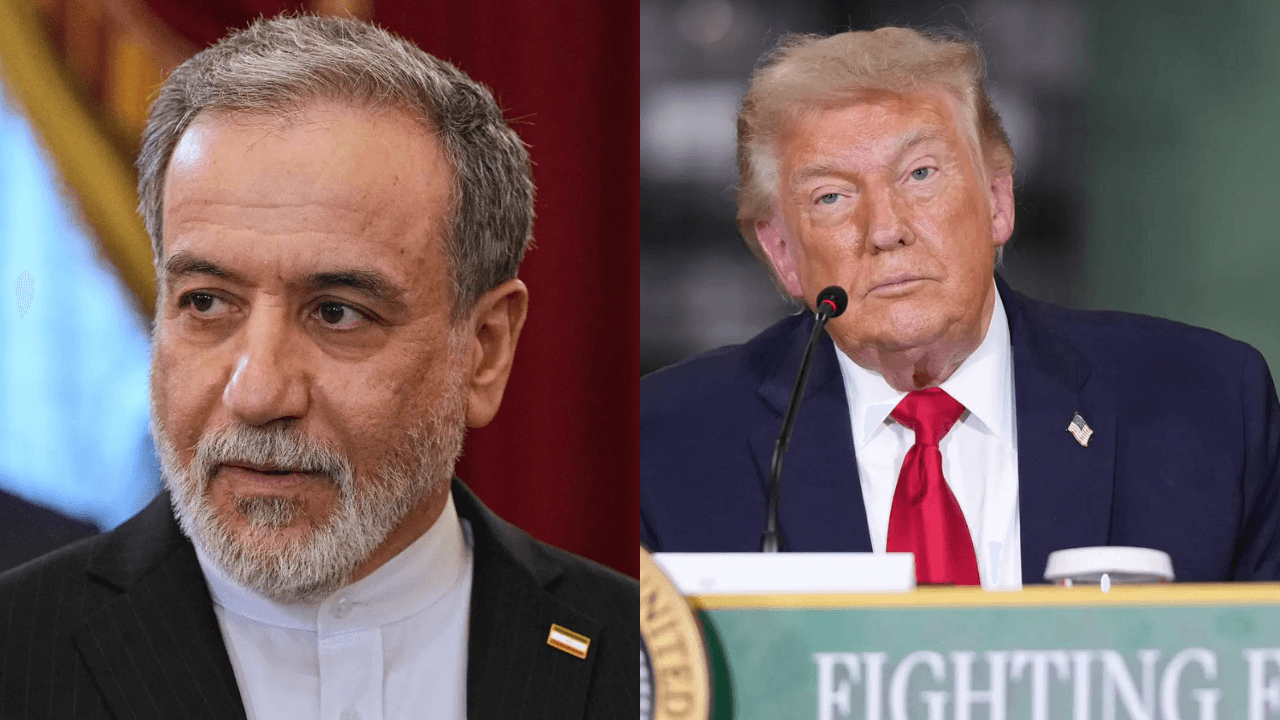
Tehran has flatly rejected suggestions of a high-level meeting between Donald Trump and the Supreme Leader, signaling that diplomatic pathways remain fraught with obstacles.
The diplomatic posturing between Tehran and Washington has hit a fresh impasse after Iranian Foreign Minister Abbas Araghchi dismissed comments from Donald Trump regarding a potential meeting with the Iranian Supreme Leader, Ali Khamenei. Speaking to the press, Araghchi urged the American leadership to "live in the real world," effectively pouring cold water on the prospect of a high-level summit to resolve the ongoing geopolitical standoff.
This rejection comes at a time of extreme volatility in the Middle East. While reports from major publications like the New York Times suggest the U.S. is considering "winding down" its military campaign, the reality on the ground remains grim. Israeli strikes continue to hit targets near medical facilities in Lebanon, and the fragility of the situation is underscored by Trump’s recent warnings of a "critical period" for the conflict. The contrast between Washington’s overtures for dialogue and the continued military pressure has left Tehran deeply skeptical of American intentions.
A Divergence in Strategy
The Iranian leadership appears to be maintaining a hardline stance even as international observers note a slim window for potential de-escalation. While some reports have speculated that Iran might be open to suspending certain nuclear activities for up to five years, the Foreign Ministry has clarified that it does not seek a simple ceasefire, but rather a definitive end to the hostility. This nuance is critical; Tehran continues to signal that any negotiations must be predicated on a fundamental shift in U.S. policy rather than short-term tactical pauses.
Background tensions remain high, compounded by incidents in the Strait of Hormuz where maritime security remains a flashpoint. Trump has issued stern warnings against Iran regarding the charging of transit tolls, adding another layer of economic and military friction to an already explosive situation. For the Iranian establishment, the focus remains on sovereignty and security, viewing U.S. calls for meetings as disconnected from the realities of their regional security concerns.
The Road Ahead
The diplomatic dance is further complicated by the divergent narratives emerging from the global press. While some outlets highlight the possibility of third-party mediation—noting how past efforts by countries like Pakistan have momentarily brought the sides to the table—the current rhetoric from Araghchi suggests that the door for direct contact remains firmly shut.
As the world watches the Times updates and other international dispatches, it is clear that the "real world" Araghchi refers to is one defined by persistent strikes, economic sanctions, and a profound lack of trust. Unless the current U.S. administration moves beyond public invitations and addresses the core grievances fueling this standoff, the prospect of a breakthrough remains distant. The path to a sustainable peace requires more than mere declarations; it demands a reconciliation of interests that currently appear to be worlds apart.
The PoliticalPedia Editorial Desk brings verified, sourced political news and analysis from across India.