Fragile Truce Shattered: Israeli Airstrikes Kill Lebanese Army Officers and Civilians
Israeli airstrikes kill nine, including Lebanese army officers after ceasefire deal
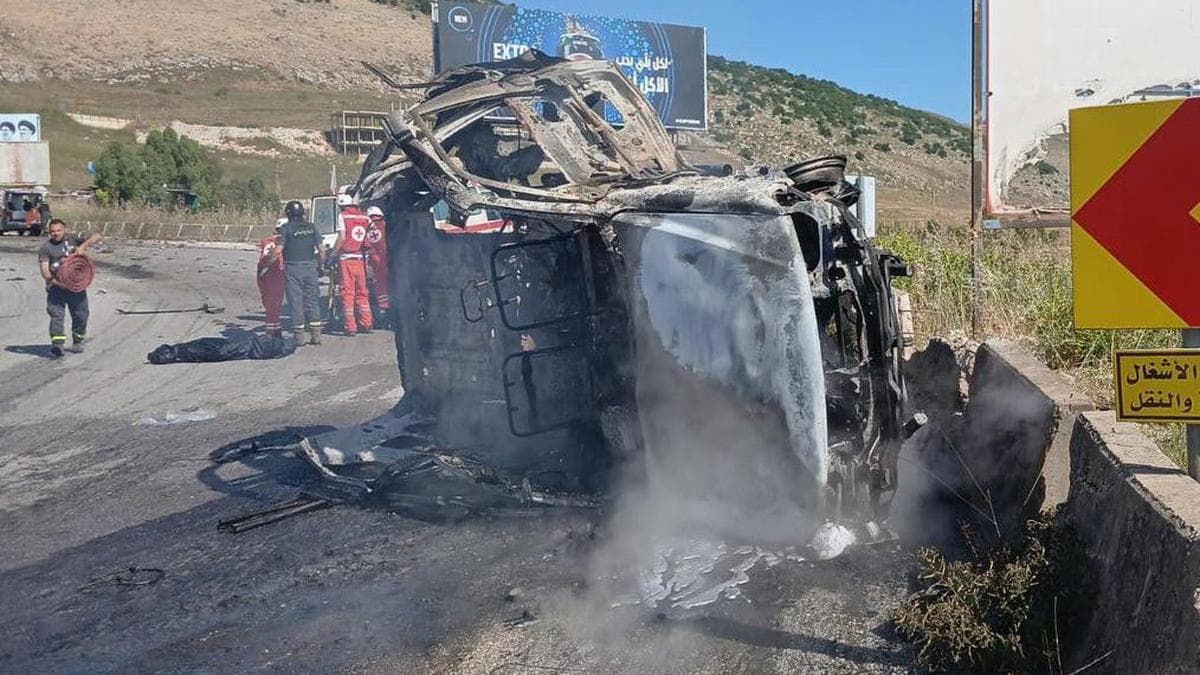
A fresh ceasefire deal faces immediate collapse after targeted strikes on military personnel and villages in southern Lebanon.
The hard-won stability in the Middle East suffered a significant blow on Saturday, June 6, 2026, as a series of Israeli airstrikes claimed the lives of nine people, including high-ranking members of the Lebanese military. The incident, which occurred just days after a U.S.-brokered ceasefire deal was established, has pushed the region back to the brink of escalation.
Deadly Strikes Hit Military and Civilians
The Lebanese army confirmed that a strike on a road connecting the city of Nabatiyeh to the town of Marjayoun killed three military personnel, including a brigadier general and a captain. In a separate, devastating attack on the southern village of Saksakiyah, state-run media reported that six civilians were killed and four others were wounded. While the Lebanese army issued a sharp rebuke, labeling the actions "deliberate and repeated aggression," the Israeli military has yet to provide a formal comment regarding the specific strikes.
The Lebanese government views these actions as a direct attempt to sabotage diplomatic efforts aimed at securing a comprehensive ceasefire and the eventual withdrawal of Israeli forces from occupied territories. Despite the government's push for stability, the situation remains volatile, particularly as Hezbollah—the militant group currently operating in the area—has rejected the terms of the latest truce.
Diplomatic Tensions and Regional Rivalries
The violence follows an intense war of words between Beirut and Tehran. Just a day prior to the strikes, Lebanon’s President and Prime Minister publicly criticized Iran, accusing the nation of using Lebanon as a "bargaining chip" in its ongoing geopolitical tug-of-war with Washington. The Lebanese leadership has been actively working to disarm Hezbollah, which they hold responsible for dragging the country into the current conflict.
Iranian Foreign Minister Abbas Araghchi hit back at these claims on social media, dismissing the notion that Iran is leveraging Lebanon for its own gain. Araghchi challenged the Lebanese President’s assessment, suggesting that the primary cause of the country's displacement and daily bombardment is Israel, not Iranian influence. "Had Lebanon been a bargaining chip for Iran, we'd have a deal long ago," Araghchi stated, urging the Lebanese leadership to identify their "real foe."
A Conflict Without End
The hostilities reached a breaking point on March 2, following a cycle of rocket fire from Hezbollah into northern Israel, which occurred shortly after joint U.S.-Israeli strikes against Iran. The subsequent ground invasion and widespread aerial campaign have resulted in massive displacement, with over a quarter of the Lebanese population forced from their homes. As the ceasefire struggles to hold, the path to a lasting peace appears increasingly narrow, leaving the Lebanese people caught in the crossfire of regional power struggles.
The PoliticalPedia Editorial Desk brings verified, sourced political news and analysis from across India.