Tehran’s Warning: Iran Threatens US, Israeli Targets Over Lebanon Escalation
Iran’s top negotiator threatens U.S. targets over Lebanon escalation
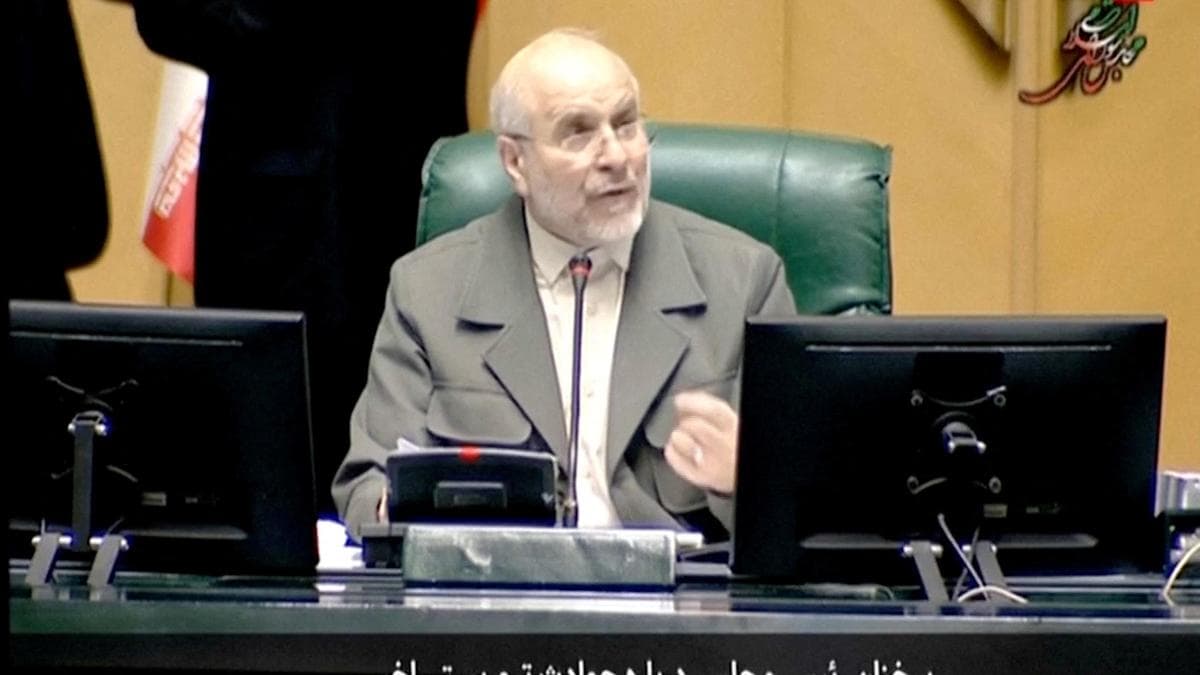
Iran’s top parliamentary negotiator has warned that U.S. bases and Israeli assets are now legitimate targets following a naval blockade and fresh strikes on Beirut.
The fragile stability of West Asia teetered further into uncertainty this week after Mohammad Baqer Qalibaf, the Speaker of the Iranian Parliament and the country’s lead negotiator, issued a stark public warning. Following an intense round of Israeli attacks on the southern suburbs of Beirut—a stronghold for Hezbollah—Qalibaf took to social media to declare that the U.S.-led naval blockade of Iran and the perceived American green light for the latest Israeli strikes have shifted the rules of engagement.
A Diplomatic Deadlock
Qalibaf’s rhetoric underscores a deepening frustration in Tehran regarding the stalled path to peace. By dismissing the possibility of dialogue, the negotiator signaled that Iran no longer views its adversaries as honest brokers. "They are neither committed to a ceasefire nor believe in dialogue," Qalibaf wrote on X, asserting that the combination of a naval blockade and the violation of existing agreements in Lebanon proves that both the U.S. and Israel "only understand the language of power."
This escalation comes amidst a chaotic period of shifting narratives. While some international reports suggest that broader oil markets are reacting to optimism regarding a potential ceasefire, the situation on the ground tells a grimmer story. Diplomatic efforts, including hopes for a joint statement on ending hostilities, appear to be losing ground to the reality of renewed military action in Lebanon.
The Bigger Picture
The significance of this rhetoric lies in the widening definition of "legitimate targets." By grouping U.S. military bases alongside Israeli assets, Tehran is signaling that it no longer treats the U.S. as a neutral observer but as an active combatant in the conflict. For the region, this creates a dangerous feedback loop: every escalation in Beirut triggers a hardening of Iran’s diplomatic stance, which in turn complicates the already delicate negotiations involving Gulf nations and Western powers.
The pattern is clear: as long as Iran views the U.S. as a party to the blockade and the strikes, the window for a negotiated settlement will continue to narrow. With markets already jittery over oil supply lines and contradictory reports on the status of ceasefire deals, Qalibaf’s warning serves as a blunt reminder that the conflict has moved far beyond the borders of Lebanon.
National Affairs Desk at PoliticalPedia covers government & policy for an Indian audience in English and Hindi.