Global Fever: As the World Cup hits the US, health experts flag a silent crisis
World Cup 2026 arrives amid Ebola concerns and disease outbreaks: Is the US prepared to host it? Experts explain
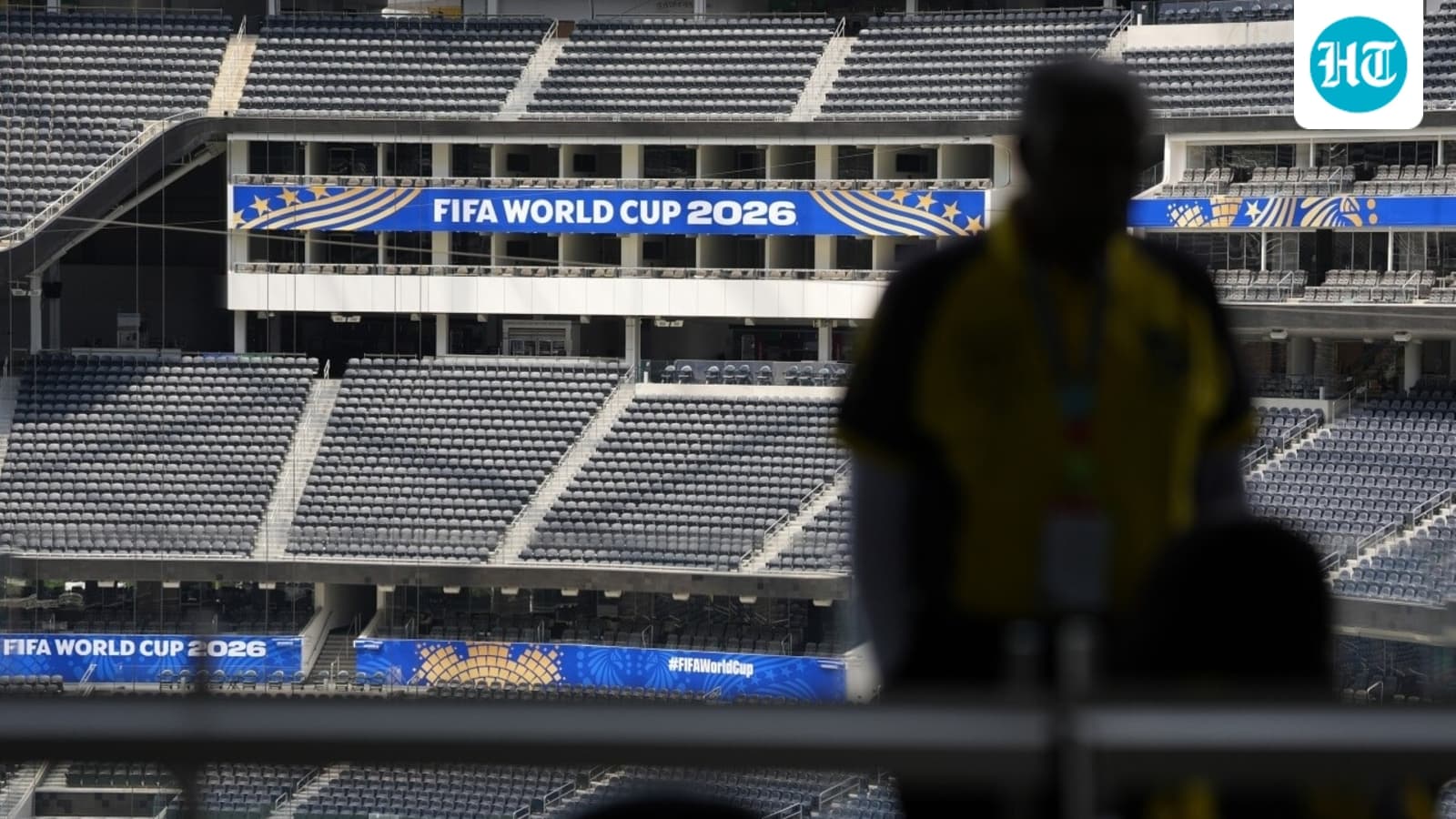
With millions of fans descending on 11 American cities for the 2026 World Cup, officials are sounding the alarm on measles and Ebola risks while questioning the country’s readiness to manage a public health surge.
The 2026 FIFA World Cup is set to be the largest in history, transforming 11 American cities into a global stage for soccer. But behind the roar of the stadiums and the frenzy of the matches—where stars like Erling Haaland would typically command headlines—a different kind of conversation is taking place in the corridors of power. Public health officials are now bracing for an influx of millions of international visitors, raising urgent questions about whether the US health system, currently operating with a significantly reduced workforce, can handle the fallout of a major disease outbreak.
The Measles Threat vs. The Ebola Scare
While the headlines are often dominated by the specter of Ebola, experts argue the real, immediate danger is far more common. Andrew Pekosz, a virologist at Johns Hopkins Bloomberg School of Public Health, warns that the massive, nomadic crowds following teams from city to city create the "ideal place" for the measles virus to thrive. US measles cases for 2026 have already eclipsed last year’s figures, a troubling trend for a disease that was declared eliminated in the country decades ago.
Ebola remains a logistical concern, though the statistical risk to the general public is considered low. To mitigate this, the CDC has implemented 30-day travel restrictions for individuals arriving from high-risk zones, including Congo, Uganda, and South Sudan. The Congolese national team, currently a focal point for security protocols, has been mandated to undergo a 21-day isolation period before entering the country. In Houston, which is set to host the high-profile Congo-Portugal match on June 17, local health authorities are maintaining strict surveillance, though officials emphasize that the likelihood of community transmission is slim.
Infrastructure Under Pressure
The deeper concern for the public lies in the strain on the US health infrastructure. Since last year, the CDC has seen its staff cut by nearly 30%, a reduction that experts fear leaves the country less equipped to manage a sudden health emergency. Beyond high-stakes viral threats, local boards of health are dealing with the mundane but essential task of monitoring temporary food vendors to prevent outbreaks of norovirus and food-borne illnesses—a logistical "heavy lift" for cities already stretched thin by tournament logistics.
The Bigger Picture: A Systemic Vulnerability
The tension surrounding this tournament reveals a sobering reality about global sporting events: they are massive vectors for pathogen movement in a world where public health systems are still in a state of post-pandemic correction. The current situation highlights a widening gap between the scale of international mobility and the capacity of domestic health agencies. For the US, hosting this World Cup isn't just a test of stadium security or transport networks; it is a stress test for a public health apparatus that has been hollowed out by staffing cuts. If the tournament proceeds without a major outbreak, it will likely be due to the diligence of frontline workers, rather than a surplus of systemic resources.
Business Desk at PoliticalPedia covers economy & markets for an Indian audience in English and Hindi.