Trump says he would not unfreeze Iran's assets before peace deal is done
Trump says he would not unfreeze Iran's assets
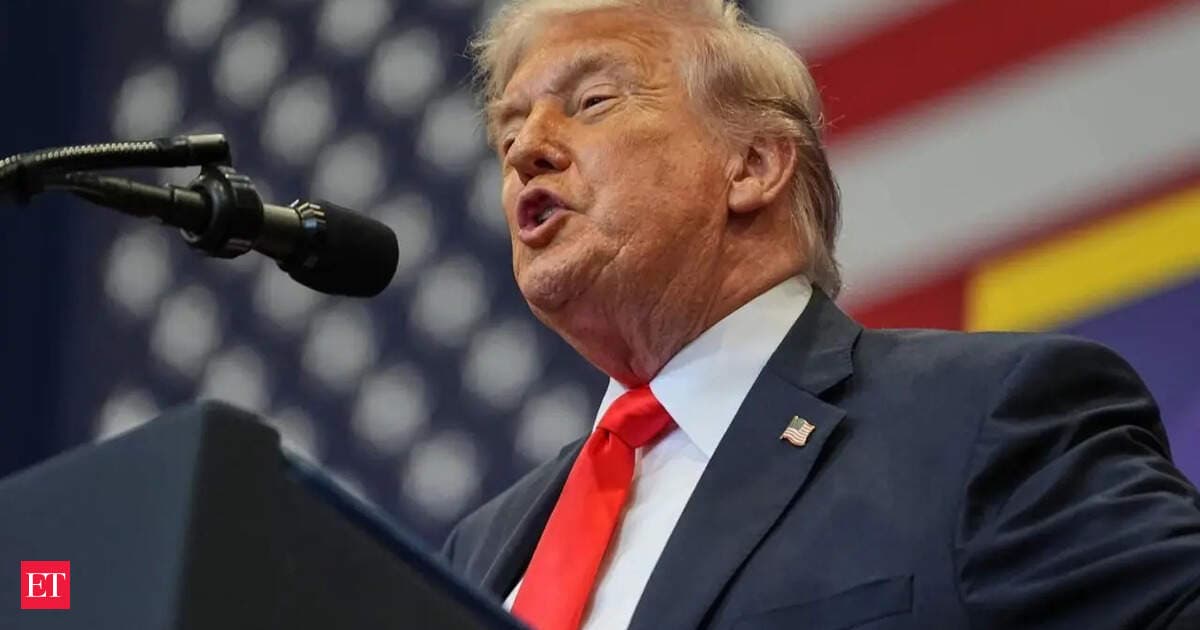
The US President signals a 'quid pro quo' approach, demanding behavioural shifts from Tehran as a prerequisite to unlocking financial gridlock.
The shadow of war looms large over the Middle East as US President Donald Trump sets a rigid condition for de-escalating the crisis with Tehran. In a recent interview, Trump made it clear that he would not unfreeze the assets of Iran before a comprehensive peace deal is done. His message to the leadership in Tehran was blunt: “If they behave, if they do a good job, we start talking.”
For weeks, the Trump administration has been actively pushing for a diplomatic breakthrough, even as US and Israeli forces have been engaged in strikes against Iranian targets since February 28. Trump, who has oscillated between the threat of total destruction and the prospect of dialogue, stated, “We’re very close to a deal, or I’m going to blow the hell out of them.”
Negotiating from a position of strength
Despite the intensity of the ongoing military operations, top officials like Secretary of State Marco Rubio maintain that a temporary ceasefire is technically holding. The administration is framing recent military actions as "defensive," even as they signal a willingness to engage in direct, high-level diplomacy. Trump hinted at being open to speaking with Iran’s Supreme Leader, Ayatollah Mojtaba Khamenei, though the latter has been absent from public view since being wounded in earlier strikes.
While the prospect of a deal remains on the table, Trump was firm on the timeline. He clarified that any discussions regarding the unfreezing of assets or the easing of sanctions would only occur after an agreement is solidified. Interestingly, he noted that while he believes the Iranian side would like to see Lebanon included in a short-term pact, he is not currently demanding it as a condition for progress.
Why it matters
This strategy reflects a classic "maximum pressure" tactic, aiming to leverage financial desperation to force geopolitical concessions. By conditioning the release of frozen funds on a pre-agreed peace deal, Washington is attempting to corner Tehran into a position where compliance is the only viable path to economic relief.
However, the efficacy of this approach hinges on whether the Iranian leadership is willing—or able—to pivot under such intense military and economic heat. For the region, the stakes are existential; the back-and-forth between the threat of massive strikes and the promise of a diplomatic thaw underscores the volatility of the current situation. As the world watches, the success of this "deal or destruction" ultimatum will likely determine the security architecture of the Middle East for years to come.
World Desk at PoliticalPedia covers global affairs for an Indian audience in English and Hindi.