Regional truce shatters as Iran launches missile barrage at Israel
Iran strikes Israel in first attack since April truce; regional airspace restrictions widen
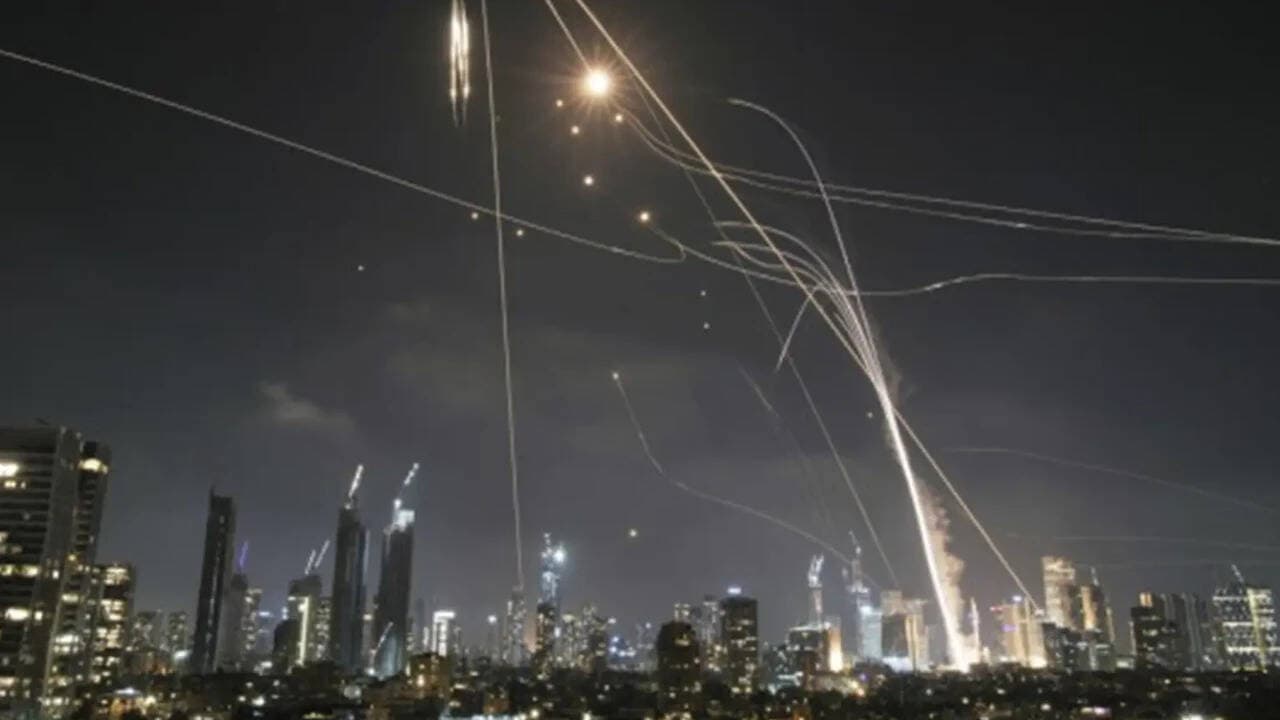
The fragile ceasefire that held since April has collapsed, with Tehran firing waves of ballistic missiles in retaliation for a lethal Israeli strike on Beirut.
The relative calm that defined the Middle East since the April truce evaporated on Sunday as the skies over northern and central Israel lit up with air raid sirens. Residents in cities from Haifa to Caesarea scrambled for cover as the Israel Defense Forces (IDF) confirmed that Iran had launched multiple waves of missiles, marking the first direct exchange of fire between the two nations in months.
The escalation was triggered earlier in the day when an Israeli airstrike hit Beirut’s Dahiyeh district. While the IDF described the operation as a targeted strike on a Hezbollah command centre, the fallout was immediate. The Islamic Revolutionary Guard Corps (IRGC) framed the subsequent barrage as a defensive act under Article 51 of the UN Charter, explicitly warning that any further military expansion into Lebanon would be met with "crushing" consequences.
A ceasefire under siege
For weeks, diplomatic efforts to transform the April ceasefire into a lasting settlement had stuttered under the weight of frozen assets and unresolved sanctions. That brittle architecture is now effectively dead. While the Israeli military said it intercepted the incoming threats, the sheer volume of the assault—with multiple barrages detected—has forced several nations, including Iraq and Syria, to impose emergency airspace restrictions.
Tehran’s decision to strike directly signals a return to a more volatile "familiar script" of open conflict. Israeli military chief Lieutenant General Eyal Zamir has already vowed a forceful response, stating that the nation is prepared to strike "as soon as the green light is given." Despite the intensity of the bombardment, Magen David Adom reported no direct casualties, though several people were injured during the frantic rush to protected areas.
Why it matters: The shifting calculus of war
The significance of this flare-up lies in the collapse of the containment strategy that had managed to keep the conflict largely at arm's length since spring. By linking the missile strikes directly to operations in Beirut, Tehran has successfully dismantled the firewall between the conflict in Lebanon and the broader regional confrontation.
For the desk, the takeaway is clear: the theater of war has expanded beyond the initial boundaries. With both sides now publicly trading threats of "crushing blows" and "powerful responses," the window for de-escalation is narrowing rapidly. The focus now shifts to whether international mediators—who were already struggling to keep the peace—can force a return to the table, or if this marks the beginning of a prolonged, high-intensity cycle of direct retaliation.
Politics Desk at PoliticalPedia covers parties & elections for an Indian audience in English and Hindi.