Trump eyes total nuclear rollback in Iran as military pressure mounts
‘Will work with Iran to retrieve, destroy its enriched uranium’: US President Trump makes big statement
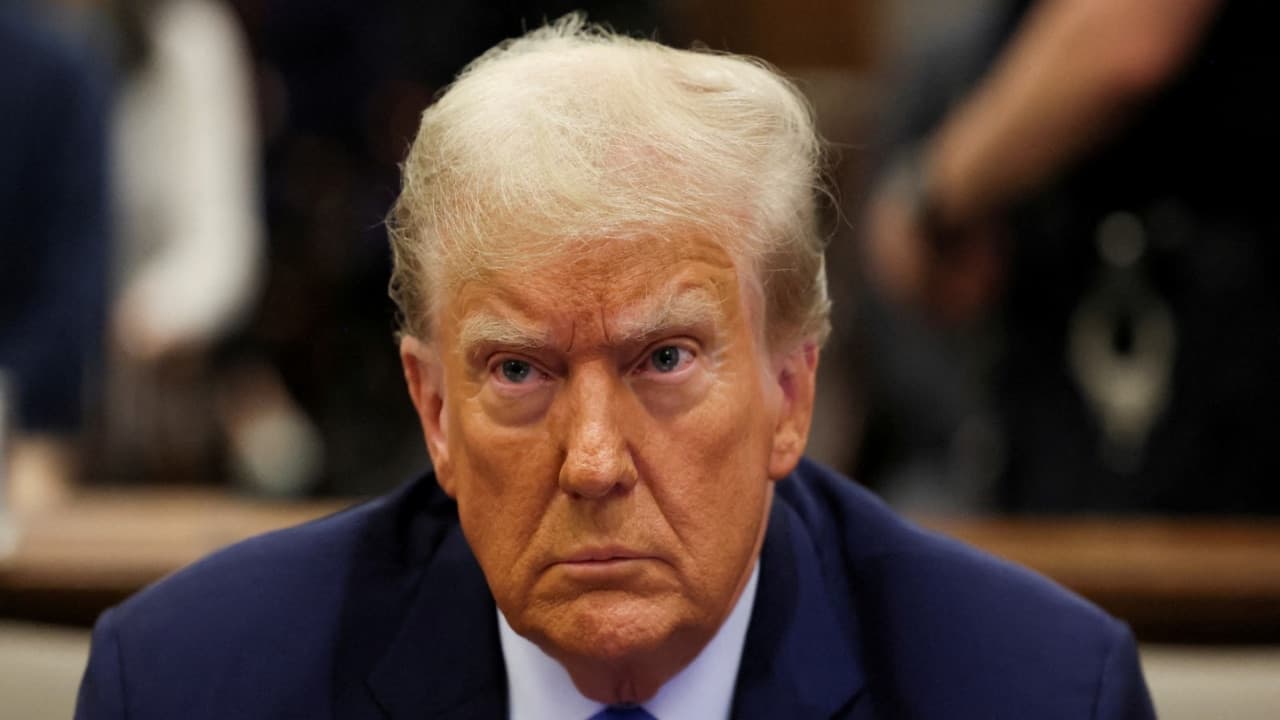
As the three-month-old conflict nears a potential inflection point, the US president has laid out a binary choice for Tehran: a negotiated disarmament or total military degradation.
The air in the Strait of Hormuz remains thick with tension, but for the first time in weeks, the focus has shifted from the battlefield to the negotiating table. US President Donald Trump, speaking on NBC News’ Meet the Press, has declared that Washington is “very close” to a deal that would see Iran dismantle its nuclear ambitions. In a stark ultimatum, Trump framed the arrangement as a collaborative effort: if a deal is struck, the US will help retrieve and destroy Iran’s highly enriched uranium. Should the talks collapse, however, he warned that American forces would systematically degrade the Iranian military until they can seize the fissile material on their own terms.
The messaging from the White House is as blunt as it is strategic. Trump made it clear that while he is entertaining the possibility of a diplomatic off-ramp, no sanctions will be lifted and no frozen assets will be released until a final, ironclad agreement is signed. "If they behave, if they do a good job, we start talking," he noted, signaling a transactional approach to de-escalation. While his administration claims to be in active contact with Iranian officials, the reality on the ground remains volatile, with the US military continuing to intercept Iranian attack drones and both sides trading accusations over the scope of the fighting.
Defining the red lines
At the heart of the proposed deal is the permanent removal of Iran's "crown jewels"—its nuclear stockpile. Trump revealed his dissatisfaction with earlier versions of the framework, which he felt left too much room for maneuver. He is now pushing for a provision that prevents any "end run" around the agreement, effectively demanding that Tehran abandon its nuclear program entirely. Interestingly, the president indicated that he is not currently insisting that the conflict in Lebanon be tied to this short-term nuclear deal, suggesting he wants to compartmentalize the most dangerous threats to US interests.
Despite the bravado, the situation remains fluid. Reports from the ground indicate that while the US claims significant military successes, there is no clear timeline for when the fighting might cease. The involvement of regional players—including a recent diplomatic visit by a Pakistani minister to Tehran—underscores that this is a global issue with high stakes for South Asia and beyond. Furthermore, the confusion surrounding the status of Iran’s leadership adds an unpredictable layer to these negotiations, with contradictory reports about the safety and influence of Supreme Leader Mojtaba Khamenei.
Why it matters
This brinkmanship marks a pivotal moment in the three-month war. For New Delhi and other global capitals, the pattern is clear: the US is attempting to use overwhelming military leverage to force a permanent structural change in Iran’s nuclear policy. By offering a "collaborative" path to denuclearization, the White House is attempting to frame the destruction of Iran’s enriched material as a security necessity rather than just a punitive measure. However, the danger lies in the thin margin for error; if these high-stakes negotiations fail, the escalation from "harsh" military strikes to an all-out effort to neutralize the Iranian state could trigger a wider regional conflagration that no amount of diplomacy could easily contain.
World Desk at PoliticalPedia covers global affairs for an Indian audience in English and Hindi.