TMC Turmoil Deepens As Sukhendu Sekhar Roy Quits, Signals Potential NDA Pivot
TMC Turmoil Deepens As Sukhendu Sekhar Roy Quits, 20 MPs Reportedly Seek NDA Move | West Bengal
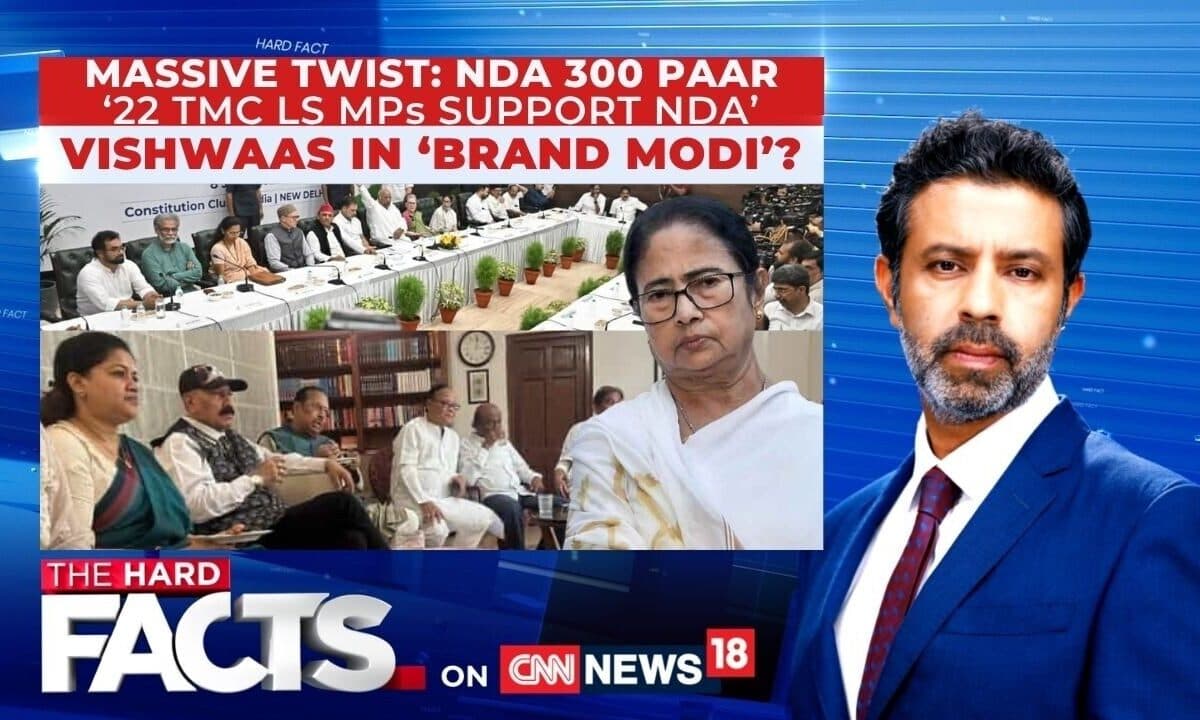
A fresh wave of instability hits the Trinamool Congress as veteran leader Sukhendu Sekhar Roy resigns and reports emerge of two dozen MPs eyeing a shift toward the NDA.
The corridors of power in Delhi and Kolkata are buzzing with speculation as the Trinamool Congress (TMC) faces its most significant internal rupture in years. The resignation of senior leader Sukhendu Sekhar Roy has acted as a catalyst for a broader rebellion, with reports surfacing that as many as 20 TMC MPs are now exploring the possibility of aligning with the BJP-led National Democratic Alliance (NDA). This development, which has caught the party leadership off guard, signals that the tmc turmoil deepens as the rank and file grapple with shifting political equations.
A Growing Parliamentary Divide
The crisis moved from internal murmurs to the public stage when reports of a potential parliamentary realignment gained traction. Sources indicate that a group of MPs, reportedly spearheaded by individuals like Sharmila Sarkar, are seeking to carve out a separate identity within the House. The goal is ostensibly to gain recognition as a distinct bloc, potentially opening the door for a formal move toward the NDA. While the Trinamool leadership has historically maintained a strict stance against such fissures, the sheer volume of members allegedly involved suggests a coordinated effort to challenge the status quo.
The timing of this internal strife is particularly volatile. As the party grapples with the departure of a seasoned voice like Sukhendu Sekhar Roy, the challenge for the top brass is not just managing high-profile exits but preventing a mass exodus. For many, the move represents a pragmatic, if risky, calculation to secure political relevance in a landscape where the BJP’s influence continues to exert significant pressure on regional outfits.
Why it matters: The Bigger Picture
This shift is more than just a case of disgruntled party members; it represents a potential transformation in the parliamentary arithmetic of West Bengal. If these 20 MPs successfully formalize an alliance or a separate bloc supporting the NDA, it would fundamentally weaken the TMC’s bargaining power in both chambers of Parliament.
From a desk perspective, this indicates a "wait and watch" strategy by several fence-sitters who are likely assessing the stability of the current government versus the political costs of defecting. Historically, such mass movements are rarely spontaneous; they are often the result of long-brewing discontent regarding central leadership decisions and local electoral strategies. Should this bloc solidify, it would force the TMC into a defensive crouch, likely triggering a frantic restructuring of the party’s state-level hierarchy to retain control.
Uncertainty Ahead
Despite the intense speculation, the situation remains fluid. No formal request for a change in seating or party alignment has been processed by the Speaker’s office yet, and the TMC leadership is expected to launch a damage-control operation to stem the tide. Whether this sukhendu sekhar roy quits fallout is a temporary flare-up or the start of a seismic shift remains to be seen. What is clear, however, is that the political temperature in West Bengal is climbing rapidly, and the mps reportedly seek nda move narrative will likely dominate the discourse in the coming week.
Business Desk at PoliticalPedia covers economy & markets for an Indian audience in English and Hindi.