The Wallet Pinch: Why Urban Indians Are Turning Wary of the Economic Horizon
Indians are growing more pessimistic about the economy. RBI Survey shows why
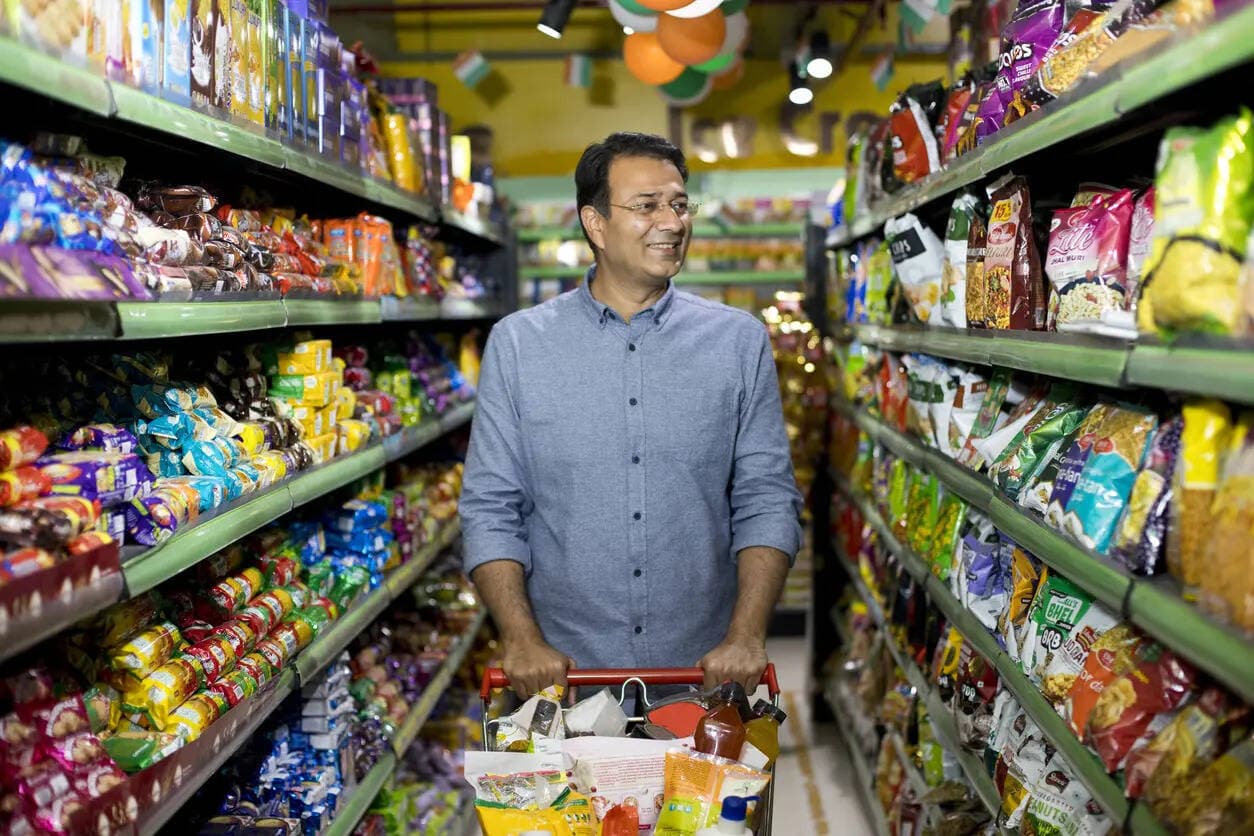
Fresh data from the latest RBI survey reveals a steady slide in consumer confidence, as sticky inflation and cooling job prospects dampen household sentiment.
Walk into any neighbourhood market in a tier-one city, and you might see the crowds, but look at the basket sizes, and a different story emerges. The latest RBI survey paints a sobering picture of the urban Indian consumer: confidence is not just fragile; it is retreating. For the third consecutive round, the Current Situation Index (CSI) has slipped, dropping to 90.7 in May from 95.7 in March. This isn't a statistical blip—it is a clear signal that the pulse of domestic demand is slowing.
The numbers reveal a deepening sense of unease. When asked about the general economic situation, the net response plummeted to minus 16.5, a sharp turn from the minus 8.6 recorded just two months prior. It’s not just the big-picture macro trends that have people worried; it’s the kitchen table reality. A staggering 91.6% of respondents reported that prices have climbed over the past year. The feeling that inflation is accelerating has intensified, with the net response on price pressure worsening to minus 77.1.
Employment and the Middle-Class Squeeze
The anxiety is most palpable when it comes to jobs and income. The net response regarding current employment conditions fell to minus 14.4, down from minus 9.1 in March. Even the future outlook, which traditionally keeps spirits buoyed, has lost its sheen. Future employment expectations dropped to 21.8 from 25.2. When you combine this with the fact that income growth perceptions have weakened—with current income sentiment hovering near flat at 0.9—it becomes clear why discretionary spending is the first casualty.
Households are actively pulling back on non-essential purchases. The net response on overall spending eased to 74.0, but the real story lies in the shift away from luxury or lifestyle expenditure. People are prioritising necessities as the cost of living outpaces salary hikes. This cooling of "animal spirits" is being felt across the broader economy, as even professional forecasters have adjusted their sights, cutting the 2026-27 real GDP growth forecast to 6.5%.
Why it matters: The bigger picture
This trend suggests that India’s post-pandemic consumption bounce is hitting a wall. For years, the story was about the "Goldilocks" scenario—growth without the worst of global inflation. But the current data suggests that the middle class is feeling the weight of a vanishing cushion. When consumers stop spending on non-essentials, the ripple effects are felt by manufacturers and service providers alike, potentially creating a feedback loop of lower sales and cautious hiring.
The RBI’s forward-looking data serves as a reminder that sentiment is a leading indicator of economic health. While the Future Expectations Index (FEI) remains in positive territory at 118.7, its drift toward the lowest levels seen since September 2023 indicates that the optimism of the last year is fading. For policymakers, the challenge is clear: cooling inflation is no longer just a headline target; it is an urgent requirement to keep the domestic consumer—the engine of India’s growth—from shifting into neutral.
World Desk at PoliticalPedia covers global affairs for an Indian audience in English and Hindi.