Why India’s FY27 Economic Pulse is Racing: The Rural Inflation Squeeze
Inflation poses bigger risk than growth this fiscal as monsoon and crude weigh on rural demand: Nuvama
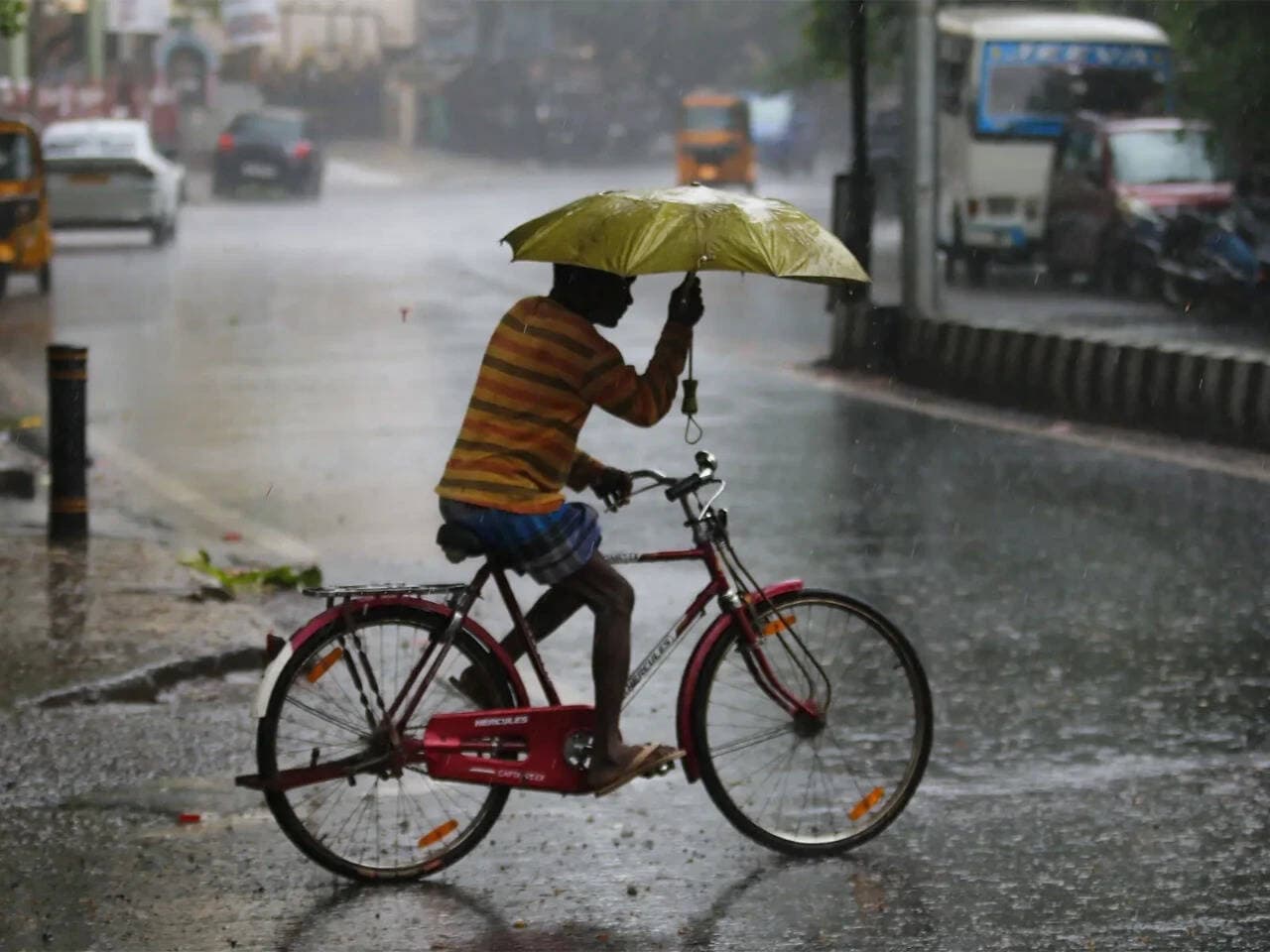
A looming rise in food prices and volatile global energy costs are threatening to outpace growth, forcing a rethink of the domestic consumption narrative.
The economic forecast for FY27 is shifting, and the mood in the countryside is darkening. While the broader Indian economy remains in the conversation for growth, the immediate threat isn't a total collapse in activity, but a sharp, sustained spike in prices. According to the latest data from Nuvama, the narrative is tilting toward an inflation-led rural slowdown, where the rising cost of living is set to outstrip any gains in production.
The Monsoon-Crude Twin Threat
The arithmetic of this inflation is being driven by two volatile forces: the skyward drift of food prices and the persistent instability of global crude. With the monsoon arriving three days late and forecasts suggesting a potential 10% deficit against the long-period average, the agricultural supply chain is already on edge. While the India Meteorological Department (IMD) has signaled some relief for Telangana and Kerala, the specter of an intensifying El Nino in the second half of the season remains the primary "known unknown." Should that materialize, reservoir levels—the lifeblood of rabi crops—could face a critical replenishment gap by September.
Adding to this, the ongoing conflict in West Asia serves as a second inflationary channel. Higher energy prices are already filtering into the logistical costs of moving goods, inflating the price of agricultural inputs. This makes the inflationary pressure particularly dangerous for items like pulses, oilseeds, and vegetables, where India lacks both extensive irrigation coverage and robust buffer stocks.
Why the Rural Pocket Pinches More
For rural India, this isn't just an economic statistic; it is a direct hit to household budgets. Food items command roughly 42% of the rural consumer price index (CPI) basket, compared to just over 30% in urban centers. When prices for essential perishables surge, the rural consumer is forced to cut back on everything else.
Nuvama’s projections place headline CPI at 5.7%, a figure that sits uncomfortably above the RBI’s 4.6% target. This gap is set to compress real wage growth, effectively turning the tap off for discretionary spending. While the urban economy—driven by private banking and premium consumption—may stay insulated, the rural-focused sectors are bracing for a tough road ahead. Expect the demand for entry-level two-wheelers, tractors, and mass-market FMCG products to show signs of fatigue as the purchasing power of the hinterland wanes.
The Bigger Picture
This trend marks a divergence in India’s growth story. Historically, the narrative has been about a rising tide lifting all boats; currently, we are seeing a decoupling. The urban consumer is shielded by different income streams, but the rural economy is tethered to the vagaries of the sky and the global oil market. The policy challenge for the government is now doubled: they must manage the inflationary impact of food supply disruptions without stifling the modest growth momentum that remains. If the monsoon fails to deliver on its promise in the coming weeks, the government’s focus will likely shift from broad-based stimulus to targeted intervention to keep food inflation from spiraling into a wider social concern.
Politics Desk at PoliticalPedia covers parties & elections for an Indian audience in English and Hindi.