Sensex slide: Why stopping your SIPs now could be a costly mistake
Sensex down over 10K points from Dec peak. Should MF investors pause SIPs?
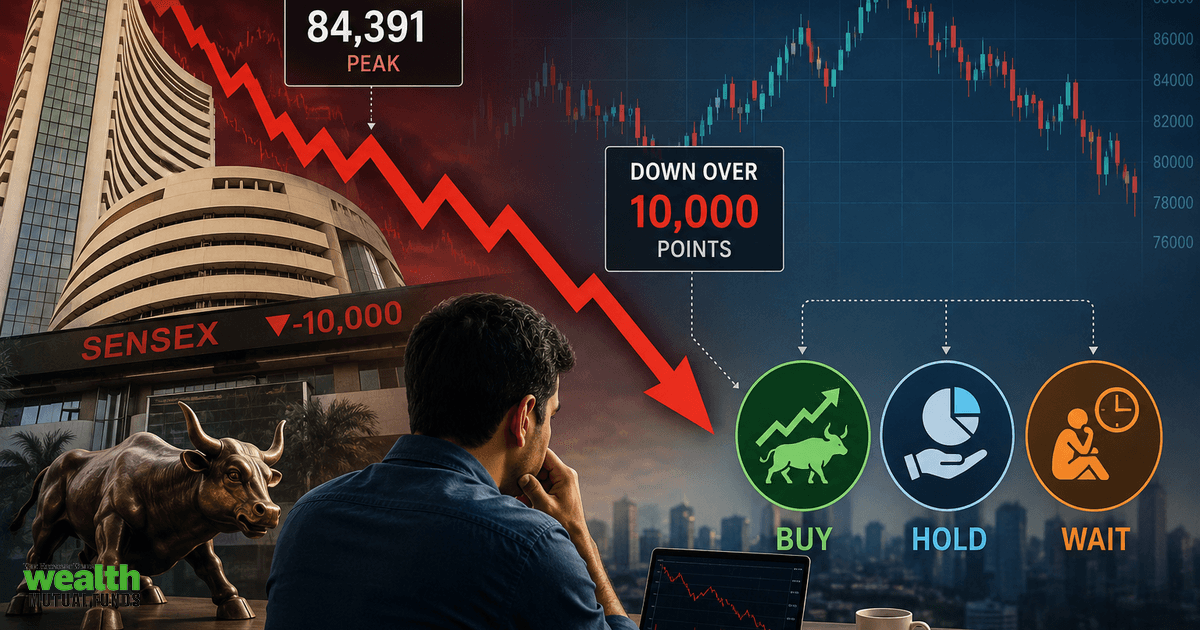
As the Sensex retreats over 10,000 points from its December peak, retail investors face a classic dilemma: stay the course or hit the pause button on mutual fund investments.
The Indian stock market has hit a rough patch. With the BSE Sensex cooling off from its December 2025 high of 84,391 to hover around the 74,243 mark as of June 2026, the mood among retail investors has shifted from optimism to anxiety. For those who entered the market during the heady bull run of late 2025, the current 10,000-plus point correction feels like a significant setback. It is the classic “correction trap”—where the urge to wait for clarity often blinds investors to the mechanics of wealth creation.
The case for staying the course
Market veterans and wealth advisors are unanimous in their advice: keep your SIPs running. The psychological toll of a falling market often leads to panic selling, which is arguably the worst move a long-term investor can make. Vishal Dhawan of Plan Ahead Wealth Advisors puts it bluntly: pausing your allocations because you want "clarity" is a trap. Historically, such hesitation keeps investors on the sidelines, causing them to miss out on the sharp, sudden rallies that characterize market recoveries.
The math behind continuing your SIPs during a downturn is straightforward. When the market dips, your fixed monthly investment buys more units of your mutual funds at a lower Net Asset Value (NAV). Think of it as a "discount" on your portfolio. By stopping these contributions, you effectively stop accumulating units when they are cheapest, which defeats the very purpose of rupee-cost averaging that makes SIPs a powerful long-term tool.
Why it matters: The bigger picture
This correction is a necessary purge. Markets often carry speculative premiums during long rallies; when reality sets in—whether due to global trade tensions, shifting FII sentiment, or earnings misses from blue-chip giants—these premiums are stripped away, resetting valuations to healthier levels. While the drop feels painful, it is a standard feature of the financial cycle. For an investor with a 5-to-7-year horizon, this is not a crisis; it is an opportunity to strengthen an equity baseline.
It is critical to recognize that your investment returns are rarely the same as fund returns. The gap is almost always created by "behavioural drag"—the tendency for investors to buy when the market is euphoric and flee when it corrects. By having a pre-set asset allocation policy and sticking to it regardless of the daily noise, you insulate your portfolio from your own impulses.
Filtering the noise
Before hitting pause, take a moment to review your portfolio strategy. Are you holding the right mix of equity, debt, and hybrid funds? If your time horizon is under four years, the current volatility is a reminder that short-term funds belong in debt or hybrid instruments, not pure equity. The current market phase is a litmus test for discipline. If your goals haven't changed, your investment strategy shouldn't either. The market may be volatile, but for the patient investor, it is merely re-pricing the future.
World Desk at PoliticalPedia covers global affairs for an Indian audience in English and Hindi.