The Trap Tightens: How the US-Iran Peace Deal Leaves Netanyahu Cornered Before October
US-Iran Peace Deal Drops Netanyahu Into A Box As Election Deadline Nears
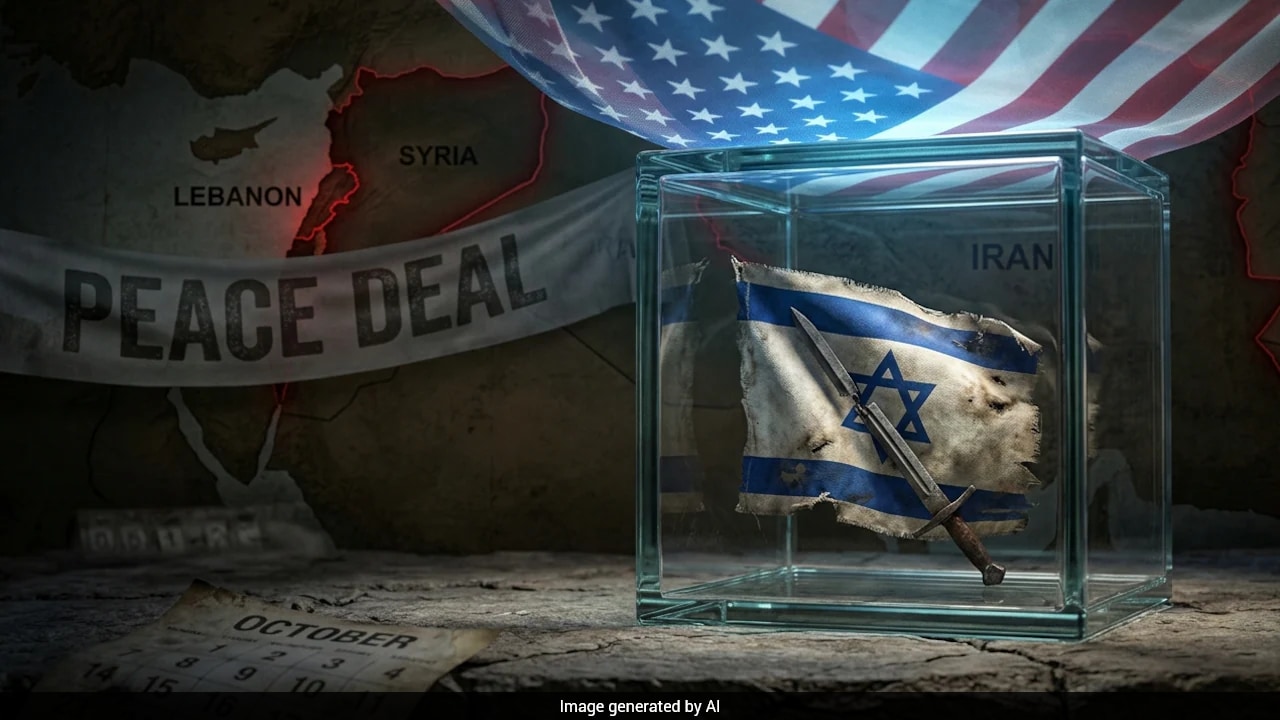
As Donald Trump’s sudden diplomatic push reshapes the Middle East, Benjamin Netanyahu faces a narrowing path to his seventh term in Israel’s high-stakes October elections.
The political ground in Jerusalem is shifting, and for Benjamin Netanyahu, it feels like the walls are closing in. For months, the 76-year-old leader has anchored his campaign on a familiar, hawkish brand of security—positioning himself as the only man capable of shielding Israel from the threats of Hezbollah in the north and the lingering shadow of Hamas in the south. But as the iran peace deal drops, netanyahu into a box as election deadline nears, that primary narrative is fraying. With Donald Trump pausing potential strikes to pursue a 10-point peace agreement, the Prime Minister’s "existential threat" playbook is suddenly losing its urgency.
The timing could not be more uncomfortable for the Likud leader. Netanyahu is chasing a seventh term, but he is doing so while burdened by long-standing corruption allegations and a populace still reeling from the scars of the October 7 Hamas attack. His strategy relied on maintaining a state of perpetual high-alert, using the ongoing conflicts to distract from domestic instability. Now, the diplomatic intervention from Washington—which has effectively put a two-week moratorium on military escalation—strips away his ability to rally voters behind a wartime expansion.
The Northern Problem
The electoral consequences are already visible in the north, a region historically vital to Netanyahu’s base. Data from a June survey by Hebrew University highlights a staggering decline in his support: just 23 per cent of voters there now back him, down from 35 per cent during the 2022 election. These voters are not just tired of war; they are exhausted by the ambiguity of the current status quo. With his ability to escalate against Hezbollah now constrained by the broader iran deal, Netanyahu is left without the military fire he needs to re-ignite his core support.
The Prime Minister is effectively forced into a pivot. He must now juggle an odd, uncomfortable blend of limited, calibrated military actions and a pivot toward political maneuvering that feels, to his base, like a retreat. While he will undoubtedly try to keep the Gaza campaign in the headlines, the reality is that the trump-brokered roadmap forces israel to engage in a diplomatic game he didn't write and cannot control.
Why It Matters
This shift signals a broader transformation in how regional power is negotiated. For years, the Israeli political establishment has operated under the assumption that military force was the primary currency of regional diplomacy. By sidelining that assumption, the US has signaled that internal Israeli political survival is no longer the primary driver of its Middle East policy. For the upcoming election, this means the traditional hawkish-versus-dove divide is being replaced by a question of pragmatism: can Netanyahu deliver peace, or does he remain a prisoner of the wars he helped define? The outcome will likely hinge on whether he can convince a skeptical electorate that his experience is still relevant in a region being reshaped by others.
Priya Nair covers parties, elections and the business of power for PoliticalPedia.