Lebanon Remains Sticking Point As US, Iran Pull Out Of Switzerland Talks
Lebanon Remains Sticking Point As US, Iran Pull Out Of Talks In Switzerland
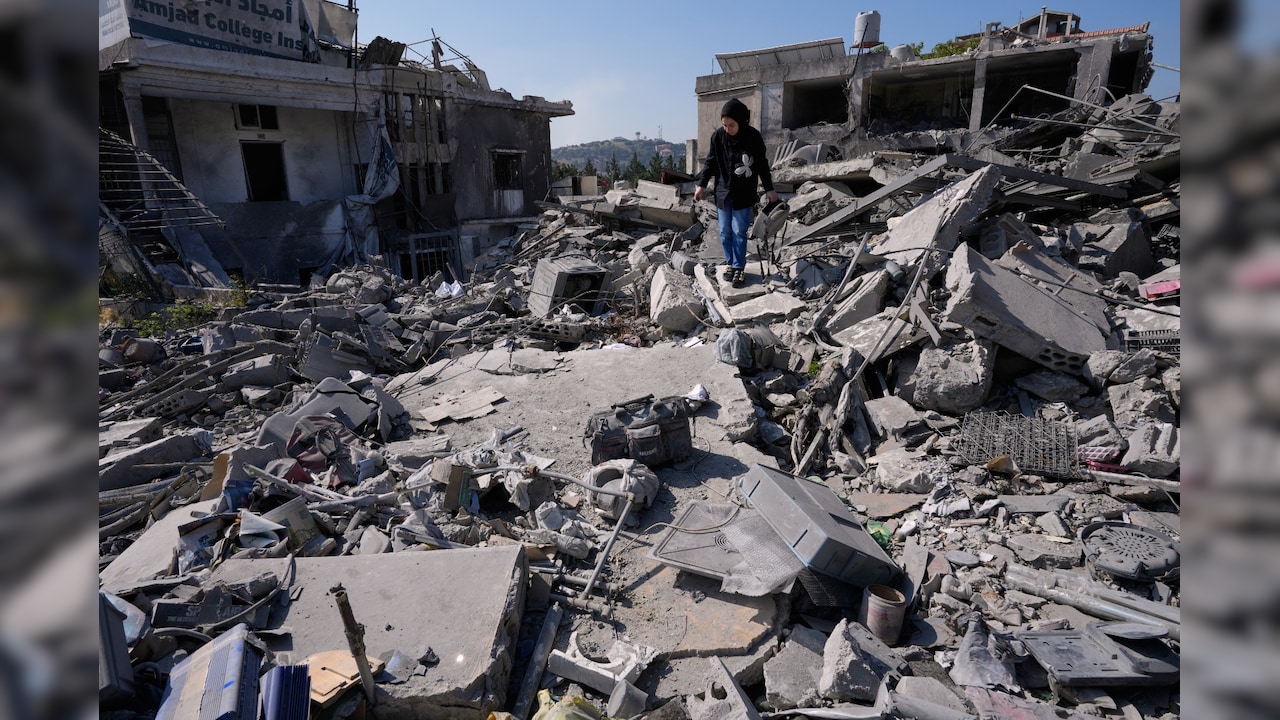
The fragile de-escalation between Washington and Tehran hits a wall as ongoing hostilities in the Levant stall the implementation of a landmark memorandum.
The high-stakes diplomacy between Washington and Tehran has hit a sudden roadblock. Just days after President Donald Trump and Iranian President Masoud Pezkeshian signed a memorandum of understanding, the momentum has ground to a halt. Talks in Switzerland, originally intended to iron out the finer details of the pact, were abruptly called off, with reports confirming that the crisis in Lebanon is the primary reason for the freeze.
For a deal that promised to reopen the critical Strait of Hormuz and provide Tehran with sanctioned asset relief, the current impasse highlights how quickly regional skirmishes can derail global grand strategy. According to Iranian state-linked outlets, Tehran has explicitly stated it will not move forward with its side of the agreement—which includes sensitive nuclear commitments—until a ceasefire is firmly established on the ground in Lebanon.
The Trigger for the Freeze
The decision to pull out of the Switzerland summit underscores the deep mistrust that continues to define this relationship. While Western media outlets like the BBC and NBC have highlighted the potential for a breakthrough in ending the war, the reality remains fluid. Tehran’s negotiators, led by Mohammad Bagher Ghalibaf, have taken a hardline stance: they view the silence on the Israeli military campaign in Lebanon as a fundamental breach of the spirit of the new memorandum.
The US, meanwhile, finds itself in a precarious position. By excluding its ally Israel from the negotiation table, Washington has attempted to compartmentalize the conflict, yet the interconnected nature of Middle Eastern proxy warfare makes such isolation nearly impossible. As reported by Al Jazeera and NDTV, the "60-day negotiation window" is now under immense pressure, with the prospect of the deal collapsing before the ink is even dry.
Why It Matters: The Bigger Picture
This development serves as a stark reminder that geopolitical deals are rarely binary. While markets and global powers are eager for the stability promised by a reopened Strait of Hormuz, the local realities of the Levant exert a gravitational pull that policymakers in Washington often underestimate.
The pattern is clear: Tehran is using its leverage to demand a comprehensive regional security framework rather than a piecemeal agreement. If the US cannot secure a tangible ceasefire to stabilize its interests, the "deal of the century" risks being relegated to another failed diplomatic exercise. For investors and energy markets watching oil supply chains, the message is one of continued volatility; the risk premium on Middle Eastern energy is unlikely to dissipate until the guns in Lebanon fall silent.
Rohan Gupta covers the economy, markets and companies for PoliticalPedia.