No Handshake With Washington: The Diplomatic U-Turn That Stalled Peace in Switzerland
No Handshake With Washington: Why Iran Pulled Out Of Deal Signing Ceremony In Switzerland | News18
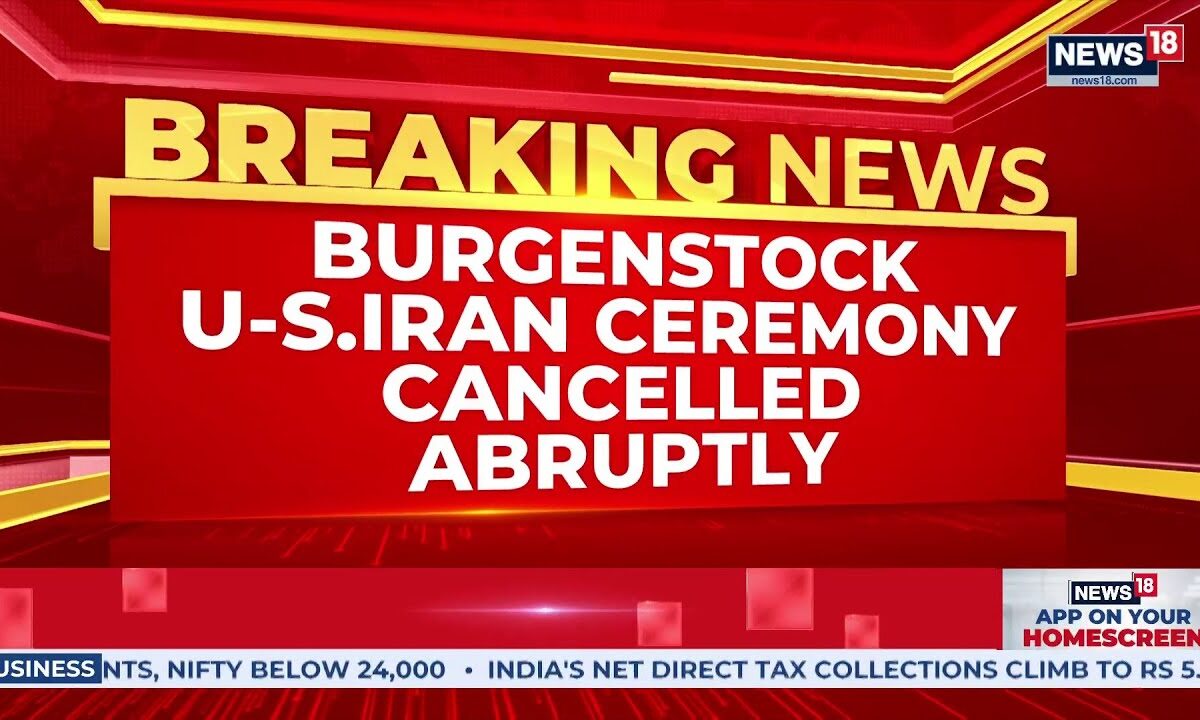
The high-stakes ceremony meant to signal a thaw between Tehran and Washington has been abruptly shelved, leaving the future of a tentative peace accord hanging in the balance.
The optics were carefully curated for a historic moment in Switzerland: a high-profile signing ceremony that promised to turn the page on years of brinkmanship. Yet, as the world watched, the stage remained empty. Iran’s sudden decision to pull out of the deal signing ceremony has sent shockwaves through international diplomatic circles, effectively grounding the planned peace talks and casting a long shadow over the newly minted US-Iran agreement.
While the deal itself—which reportedly includes provisions for uranium dilution, the lifting of specific sanctions, and the reopening of the Strait of Hormuz—has been formally signed by Donald Trump, the physical act of sealing it in Geneva has hit a wall. US Vice President JD Vance, who was slated to represent the American side, abruptly cancelled his trip, signalling that the "handshake with Washington" that many expected would be the face of this detente is not happening anytime soon.
Why the ceremony collapsed
The shift from a grand, in-person event to a quiet, digital signing process speaks volumes about the fragility of this rapprochement. Regional observers and international outlets report that the change in venue was not merely a logistical adjustment. Pakistan, among other regional players, has faced a significant setback as their own diplomatic efforts to align with the process were upended by the sudden shift in protocol.
Sources suggest that the disconnect between the two powers remains deep. Even as the ink dries on the papers, the underlying mistrust is palpable. By opting out of the Switzerland event, Tehran has made a clear statement: while they may be willing to do business, they are not yet ready for the theatre of reconciliation.
The bigger picture
Why does this matter? For a world accustomed to the constant threat of conflict in the Middle East, this "digital-only" approach suggests that the path to a lasting truce is still littered with landmines. The deal is tentative, and the fact that an early, symbolic victory was abandoned so quickly indicates that both sides are operating under immense internal pressure.
For the US, this is a test of the administration's new, bold approach to a decades-old adversary. For Iran, the move is likely a calculated effort to maintain political optics at home while navigating the economic relief promised by the deal. When peace is negotiated through screens rather than rooms, the margin for error is razor-thin. If the physical diplomacy cannot be salvaged, the stability of the entire region—and the global markets tied to it—remains on shaky ground.
Kabir Sharma writes on culture, technology and everyday life for PoliticalPedia.