The Secular Progressive Alliance is history, says CPI(M) as Tamil Nadu’s political map shifts
There is no DMK-led Secular Progressive Alliance in Tamil Nadu now: CPI(M)
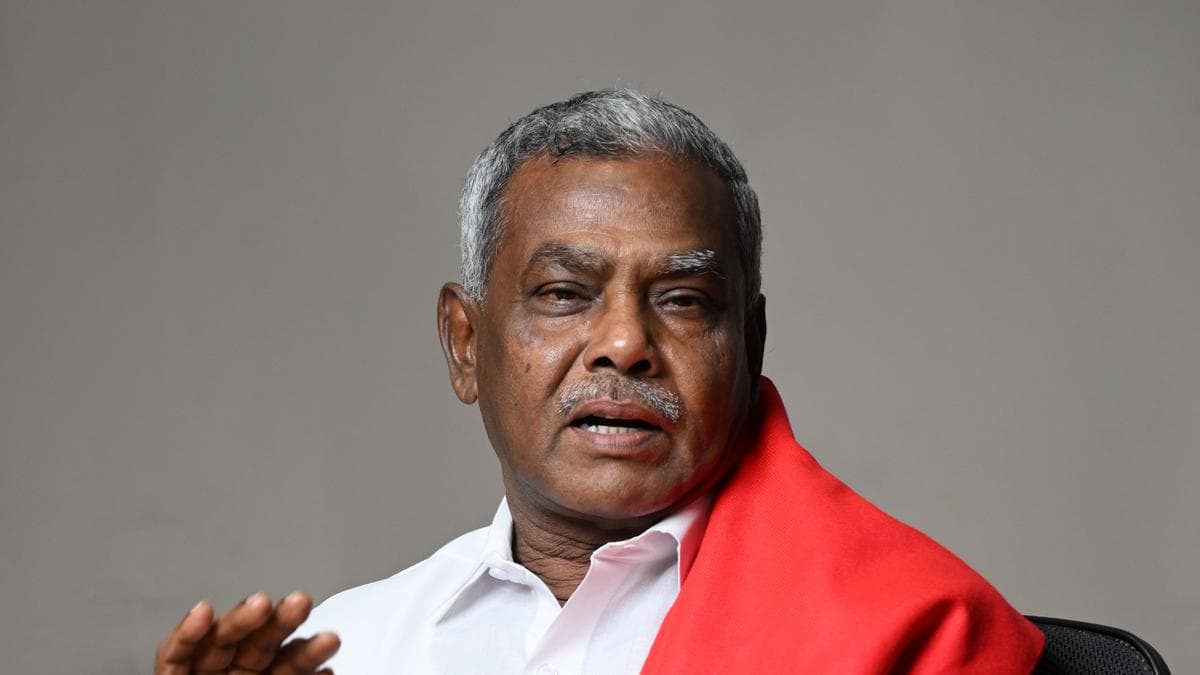
As the state adapts to a new administration, the CPI(M) has declared the old DMK-led coalition defunct, signaling a fluid and unpredictable era in regional politics.
The once-familiar architecture of Tamil Nadu’s political alliances is undergoing a quiet, yet definitive, demolition. In a candid interaction with journalists in Pudukottai, CPI(M) State secretary P. Shanmugam delivered a blunt assessment of the state’s political landscape: the Secular Progressive Alliance (SPA), which defined the opposition block for years, no longer exists. While the party remains willing to collaborate with the DMK on specific issues of public welfare, the structural bond that previously tethered the two is, by their own admission, gone.
This declaration arrives at a precarious time for the state government. The recent transition to a TVK-led administration has left various political players in a state of flux. Shanmugam was quick to dismiss the aggressive rhetoric from both DMK president M.K. Stalin and AIADMK leader Edappadi K. Palaniswami, both of whom have publicly predicted the early collapse of the current government. Labeling these predictions as "irresponsible," the CPI(M) leader argued that the new administration deserves patience as it finds its footing across various government departments.
A new, unpredictable landscape
The shift is not limited to the Left’s departure from the old alliance. Shanmugam pointed to the recent confidence motion as evidence of a fractured political order, noting that the National Democratic Alliance (NDA) has also shed its traditional skin. With some former allies voting in favor of the new government, others against, and some abstaining, the traditional binary of "us vs. them" is being replaced by a more fragmented, issue-based reality.
For the CPI(M), this new independence is deliberate. While they are currently supporting the TVK-led government to ensure stability, they have made it clear that this is not a blank cheque. Their support is predicated on policy, not patronage; they have pledged to oppose any government decisions that they find objectionable, regardless of their current parliamentary positioning.
Why it matters: The bigger picture
This recalibration reflects a broader trend in Tamil Nadu politics: the end of the "big brother" era. For years, smaller allies have grumbled about the seat-sharing dynamics and the perceived dominance of the DMK. As the state moves further away from the binary Dravidian hegemony, these smaller parties are increasingly asserting their autonomy to maintain relevance.
The CPI(M)’s stance serves as a warning to major players that the era of automatic, bloc-based loyalty is over. As the state approaches the 2026 assembly elections, the political math is no longer fixed. Every policy move, from the management of power outages to the total ban on lottery sales, will now be subject to a more transactional and rigorous scrutiny from parties that are no longer bound by the rigid discipline of an alliance that, for all intents and purposes, has ceased to exist.
Features Desk at PoliticalPedia covers culture, tech & life for an Indian audience in English and Hindi.