The Race Against Time: Why the Bundibugyo Ebola Outbreak Has No Immediate Vaccine
Ebola Outbreak: Which Vaccines, Treatments Are In The Works And How Long They May Take
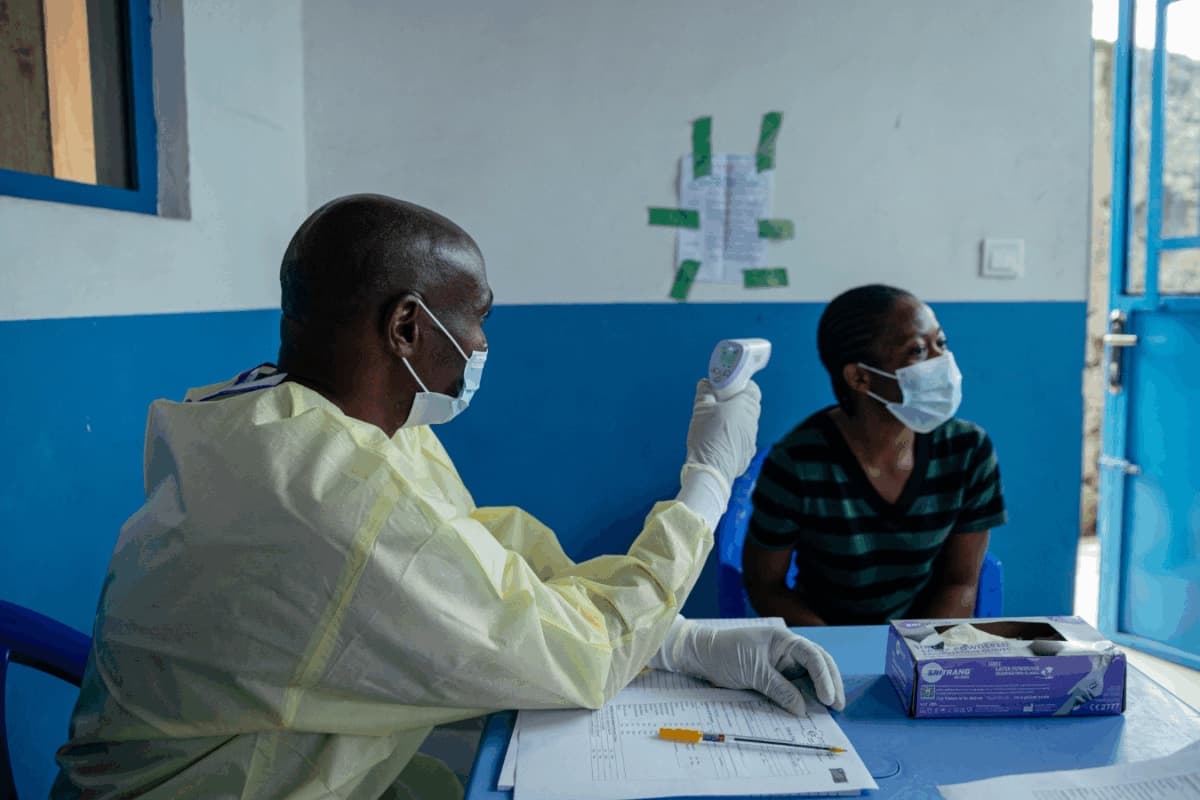
As cases climb across the DRC and Uganda, the medical community faces a critical gap in immunity due to the unique characteristics of the Bundibugyo virus.
The resurgence of Ebola in East Africa has ignited an urgent global scientific pursuit to develop medical countermeasures for a strain that remains largely unprotected by existing pharmaceutical tools. While the world is familiar with vaccines for the Zaire Ebola virus—the strain responsible for the major 2014-2016 and 2018-2020 outbreaks—the current crisis in the Democratic Republic of the Congo (DRC) and Uganda is driven by the Bundibugyo virus. Because current approved vaccines, such as Merck’s Ervebo and the two-dose regimen from Johnson & Johnson, are engineered specifically for the Zaire strain, they offer little efficacy against this rare and dangerous variant.
Understanding the Gap in Protection
The Bundibugyo strain presents a significant challenge to global health agencies. While the Zaire strain is notoriously lethal, with mortality rates often reaching 70 percent, the Bundibugyo variant maintains a lower but still devastating death rate of 30 to 50 percent. This biological distinction is the primary reason why the current Ebola outbreak has left health officials scrambling; the available vaccines simply do not recognize this version of the pathogen. Consequently, the World Health Organization (WHO) has been forced to fast-track the evaluation of new candidate vaccines and experimental treatments, even as cases begin to appear far from the initial epicenters, including in urban areas like Kampala.
The Global Response and Containment
Since the Africa Centres for Disease Control and Prevention declared the outbreak on May 15, the virus has moved rapidly across permeable borders. With hundreds of confirmed and suspected cases, the WHO declared a public health emergency just two days after the initial alert. The mobility of border communities has complicated containment efforts, prompting nations to ramp up screening and surveillance protocols. Experts note that while the scientific community is now better prepared to mobilize than in previous decades, the "which vaccines and treatments are in the works and how long they may take" remains the central question on the minds of regional health authorities.
The Road to New Treatments
Scientists are currently working to fast-track several experimental candidates, though the process of testing in the middle of an active outbreak is fraught with logistical and ethical hurdles. The focus has shifted toward finding therapeutic agents that can address the specific molecular structure of the Bundibugyo virus. While the promise of new preventative drugs and specialized vaccines is high, researchers warn that a readily deployable, mass-market solution is not imminent. The timeline for testing and validation is lengthy, requiring rigorous clinical trials that are difficult to conduct while simultaneously managing patient care in resource-constrained environments.
Lessons from Previous Epidemics
The current situation serves as a stark reminder of the limitations of reactive health policies. In previous years, the international community focused heavily on the Zaire strain, leaving other variants under-researched. This "strain-specific" blind spot is now being rectified through a collaborative effort between the WHO, pharmaceutical researchers, and local health ministries. As the death toll rises and the infection footprint grows, the priority remains strict isolation of patients and the rapid tracing of contacts to break the chain of transmission while the long-term work on vaccines continues in laboratories worldwide.
The PoliticalPedia Editorial Desk brings verified, sourced political news and analysis from across India.