The ICC Crisis: Chief Prosecutor Suspended Amid Grave Misconduct Allegations
ICC chief prosecutor suspended pending decision by oversight body over sexual misconduct allegations
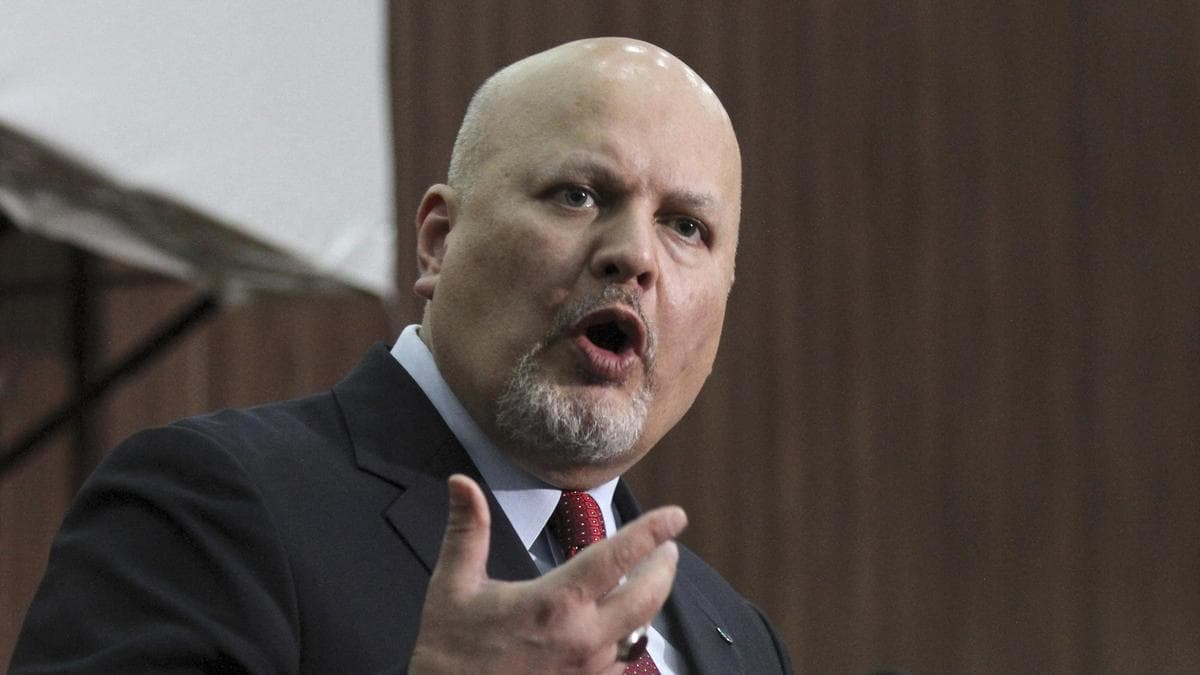
The global court faces an unprecedented leadership crisis as Karim Khan is suspended following a long-running probe into claims of sexual misconduct.
The halls of international justice are rarely this quiet, and perhaps for good reason. Late on Monday, June 8, 2026, the International Criminal Court (ICC) confirmed that its chief prosecutor, Karim Khan, has been suspended from his duties. This move comes after more than two years of internal turmoil, centering on serious allegations of sexual misconduct involving a female aide. The British barrister, who has consistently denied any wrongdoing, now finds his tenure hanging by a thread as the court’s oversight body moves toward a final disciplinary decision.
A Trail of Allegations
The suspension follows an investigation by the United Nations Office of Internal Oversight Services (OIOS). Reports indicate that the OIOS uncovered evidence of nonconsensual sexual contact between the prosecutor and an aide in his office, at his private residence, and during official missions. Whistleblower documents paint a troubling picture: it is alleged that Mr. Khan moved the woman from another department into his own office, making her a frequent companion on international trips, where the reported incidents occurred. The records also suggest he repeatedly pressured the aide to join him on vacation.
Despite the U.N. investigation's findings, the legal path forward remains murky. A three-judge panel, appointed by the court's oversight body to assess the evidence, concluded that the OIOS report was not entirely conclusive. This legal grey area has left the institution in a state of administrative limbo, forcing the Assembly of States Parties to repeatedly rewrite its own rulebook just to manage the unfolding scandal.
The Path to a Final Decision
With Mr. Khan having already stepped down temporarily in May 2025, this suspension marks a formal escalation. The ultimate decision now rests with the Assembly of States Parties. They must hold a special session to determine whether the chief prosecutor can remain in his position. Because there is no established precedent for removing a high-ranking official under these specific circumstances, the 125 member states face a delicate task. A secret ballot will be required, and for the removal to pass, a majority of 63 countries must vote in favor.
Why It Matters
This is a defining moment for the ICC. Beyond the individual case, the scandal tests the credibility of the world’s foremost judicial institution. When an organization dedicated to upholding the rule of law at a global scale becomes embroiled in its own internal allegations of abuse, it invites questions about accountability and power dynamics within international corridors. The precedent set here—how the court handles its own internal oversight—will likely influence how the ICC is perceived by member nations for years to come. For now, the court is in a holding pattern, waiting to see if its top legal authority will be cleared or forced out.
Features Desk at PoliticalPedia covers culture, tech & life for an Indian audience in English and Hindi.