West Asia on the Brink: India Urges De-escalation as Israel-Iran Conflict Flares
Amid fresh strikes in West Asia, India calls for quick de-escalation, dialogue
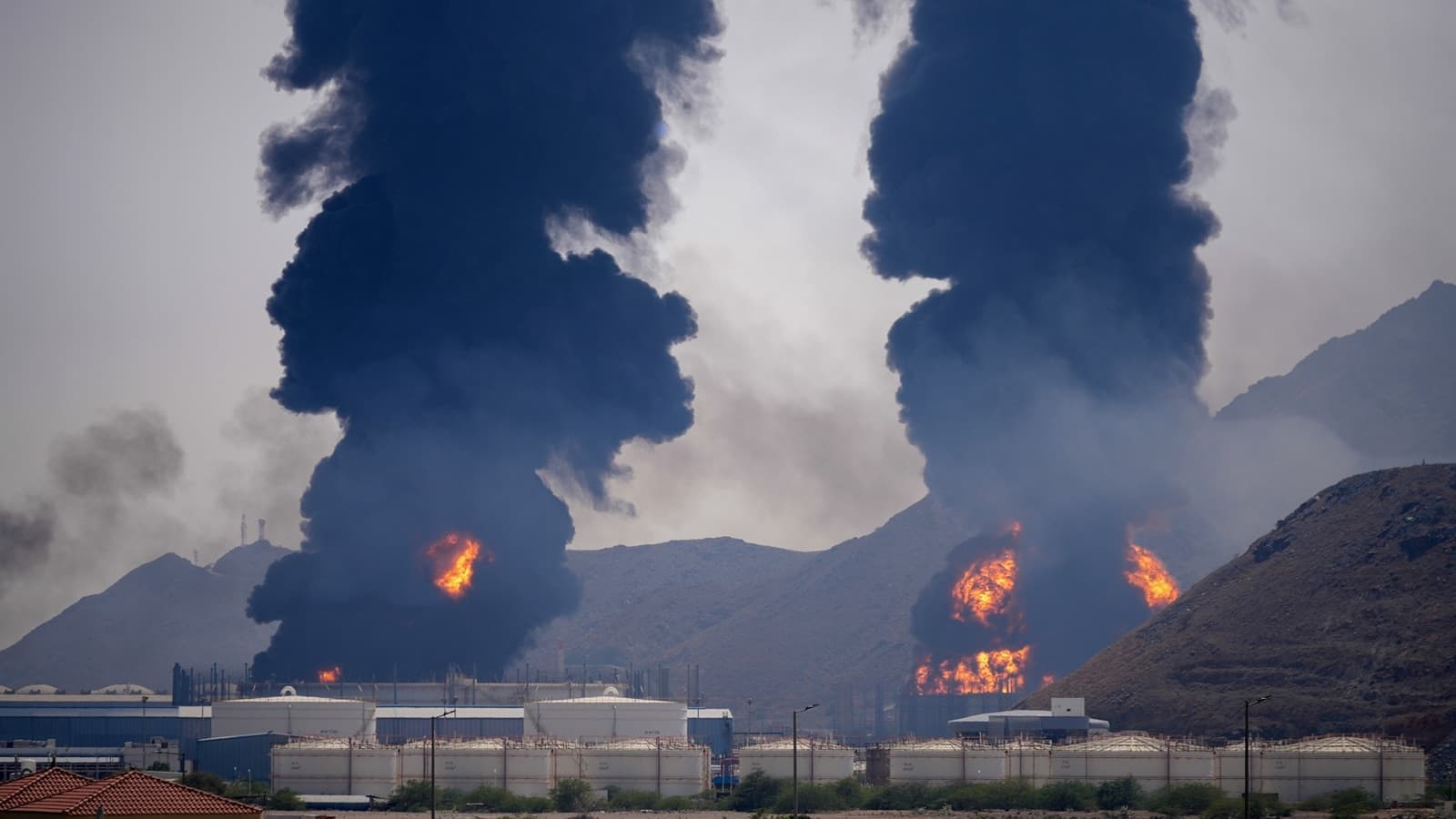
As the 100-day war in West Asia spirals back into active hostility, New Delhi pivots to urgent diplomacy to protect its strategic interests and the safety of its diaspora.
The plumes of smoke rising over regional oil facilities serve as a grim reminder that the fragile, two-month ceasefire in West Asia has effectively collapsed. As Israel and Iran trade fresh attacks, the region has once again been pushed to the precipice of a full-blown war. For New Delhi, the timing is precarious; the conflict, now in its 100th day, has evolved from a localized struggle into a broad security crisis that directly threatens India’s economic stability and the safety of its nearly one crore citizens living in the region.
The Ministry of External Affairs (MEA) issued a carefully calibrated statement on Monday, avoiding a finger-pointing exercise while underscoring the "utmost concern" felt by the international community. While the government officially termed the developments "a matter of utmost concern," the subtext of the India response is clear: the current trajectory is unsustainable. New Delhi’s de-escalation appeal is not merely a diplomatic platitude—it is a calculated push to prevent the total closure of the Strait of Hormuz, a critical artery for India’s energy imports.
The Humanitarian and Economic Stakes
The mounting human cost of the conflict has now touched India directly, with the death toll of Indian civilians reaching double digits since the hostilities began on February 28. Beyond the tragedy of lost lives, the macro-economic fallout is hitting home. With energy supplies and global commodity prices tethered to the volatility of this region, the government is acutely aware that any further expansion of the war will strain the domestic economy.
The Indian Embassy in Tehran has already issued an urgent exit advisory, urging nationals to leave the country by any available means. This reflects a growing anxiety in the South Block that the current "triangle trap" between the US, Israel, and Iran leaves little room for diplomatic maneuver, forcing India to prioritize the evacuation and safety of its diaspora over all other regional considerations.
Why it Matters: A Tightrope Walk
India’s position reflects the difficult reality of modern geopolitics: maintaining a strategic partnership with Israel while navigating deep-rooted ties with Iran. By refusing to name specific aggressors in its latest dispatch, New Delhi is attempting to remain a viable interlocutor for all parties. However, the bigger picture suggests that India’s influence is being tested. As the US and other global powers struggle to contain the violence, New Delhi is betting that a neutral, dialogue-focused stance is the only way to safeguard its energy security and protect its massive expatriate workforce from becoming collateral damage in an escalating regional showdown.
The path ahead remains fraught. With Houthi militants tightening their grip on Red Sea shipping lanes and direct military exchanges between Tehran and Tel Aviv becoming the new normal, the window for a negotiated settlement is narrowing. For India, the priority remains clear: ensure the safety of its people and hope that the rhetoric of "restraint" can eventually translate into a cooling of the battlefield.
Politics Desk at PoliticalPedia covers parties & elections for an Indian audience in English and Hindi.