The Hormuz Thaw: Why Reopening The Strait Won’t Instantly Fix Economic Issues
Why Strait Of Hormuz Reopening Won't Instantly Fix Economic Issues
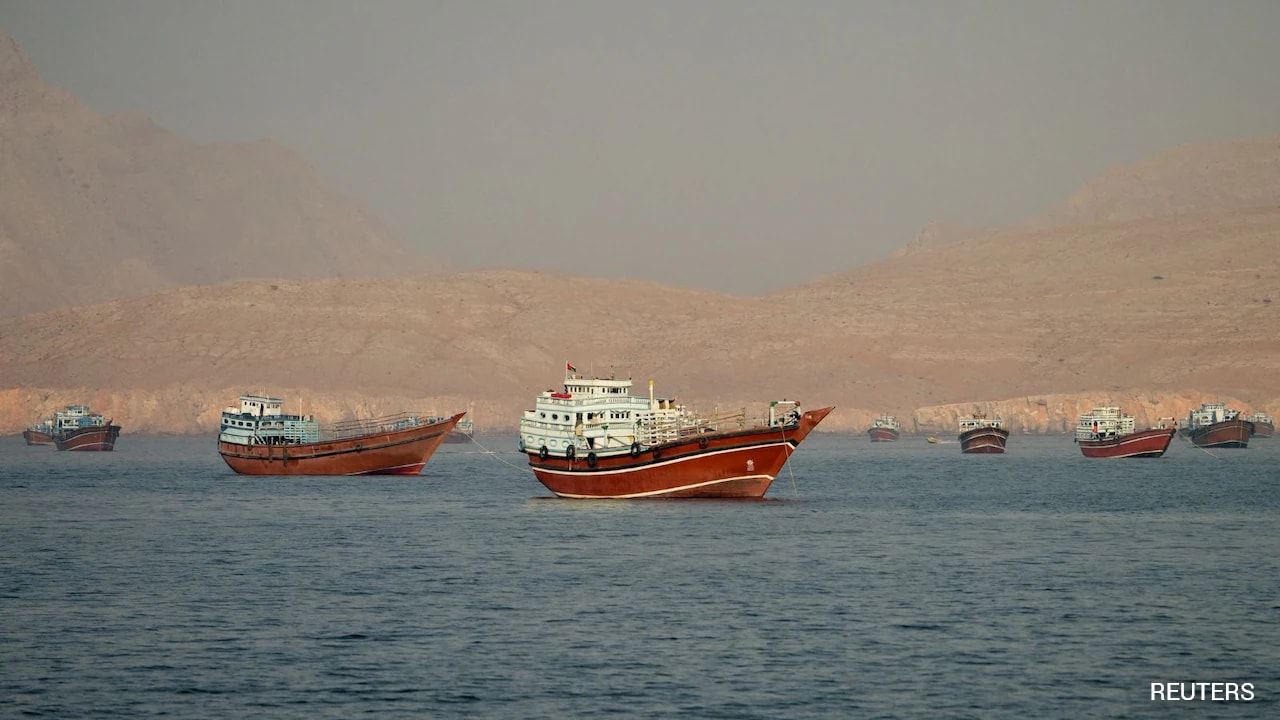
As the US and Iran prepare to sign a landmark deal, a return to normalcy in the world’s most critical maritime chokepoint offers relief but no immediate panacea for battered global markets.
For months, the global economy has been held hostage by a narrow strip of water. Since the February 28 skirmishes between the US, Iran, and Israel, the Strait of Hormuz—a 30-kilometre-wide artery through which a massive chunk of the world’s oil passes—has been effectively paralyzed. Shipping lanes went quiet, crude prices spiked, and volatility became the only constant in global markets. When Donald Trump tweeted, "Ships of the World, start your engines," it signaled the beginning of the end of this standoff. Yet, as Geneva readies for the signing of a memorandum of understanding this Friday, the optimism in trading pits needs a reality check.
Beyond the Pipeline: The Reality of Recovery
While the reopening of the strait is undoubtedly a relief for energy markets, analysts are cautioning against the belief that prices will plummet overnight. Shipping is not like a light switch; it is a complex, mechanical ecosystem. Even once the official seal is placed on the Iran-US deal, clearing the backlog of tankers and recalibrating insurance premiums for high-risk zones will take weeks, if not months. The "reopening won't instantly fix economic issues" narrative is gaining traction among global economists who warn that the structural damage to supply chains is deep.
For India, one of the world’s largest crude importers, the stabilization of the Hormuz route is vital. The closure triggered a painful inflationary ripple effect, hitting household budgets and straining the rupee. Lower freight costs and restored oil flows will eventually ease this burden, but the "why strait of hormuz" uncertainty has already left scars on industrial output. Investors tracking indices like the KOSPI on Moneycontrol have seen how sensitive equity markets are to these geopolitical tremors; a deal is a necessary first step, but it doesn't erase the months of lost productivity or the premium currently baked into fuel prices.
Why it Matters: The Bigger Picture
The pattern here is clear: global energy security is far more fragile than we care to admit. This crisis exposed the extreme vulnerability of our "just-in-time" global economy to a single geographic chokepoint. Even as the deal moves from proposal to signature, the strategic lesson remains. The reopening may trigger a shift from a trickle of supply back to a torrent, but the cost of living crisis triggered by the shutdown won't vanish with a press conference.
We are looking at a period of "economic convalescence." The supply chains will need time to untangle, and energy markets will remain jittery until the first few weeks of consistent, incident-free transit are recorded. The deal is a reprieve, not a reset button. For policymakers in New Delhi and beyond, the focus now shifts from emergency fire-fighting to rebuilding the buffers that were so easily depleted by this closure.
Ananya Iyer covers global affairs with an Indian lens for PoliticalPedia.