The Fragile Middle East Truce: Why Iran-US Peace Talks Take a Hit Every Time Israel Strikes Lebanon
Why Iran-US Peace Talks Take A Hit Every Time Israel Strikes Lebanon
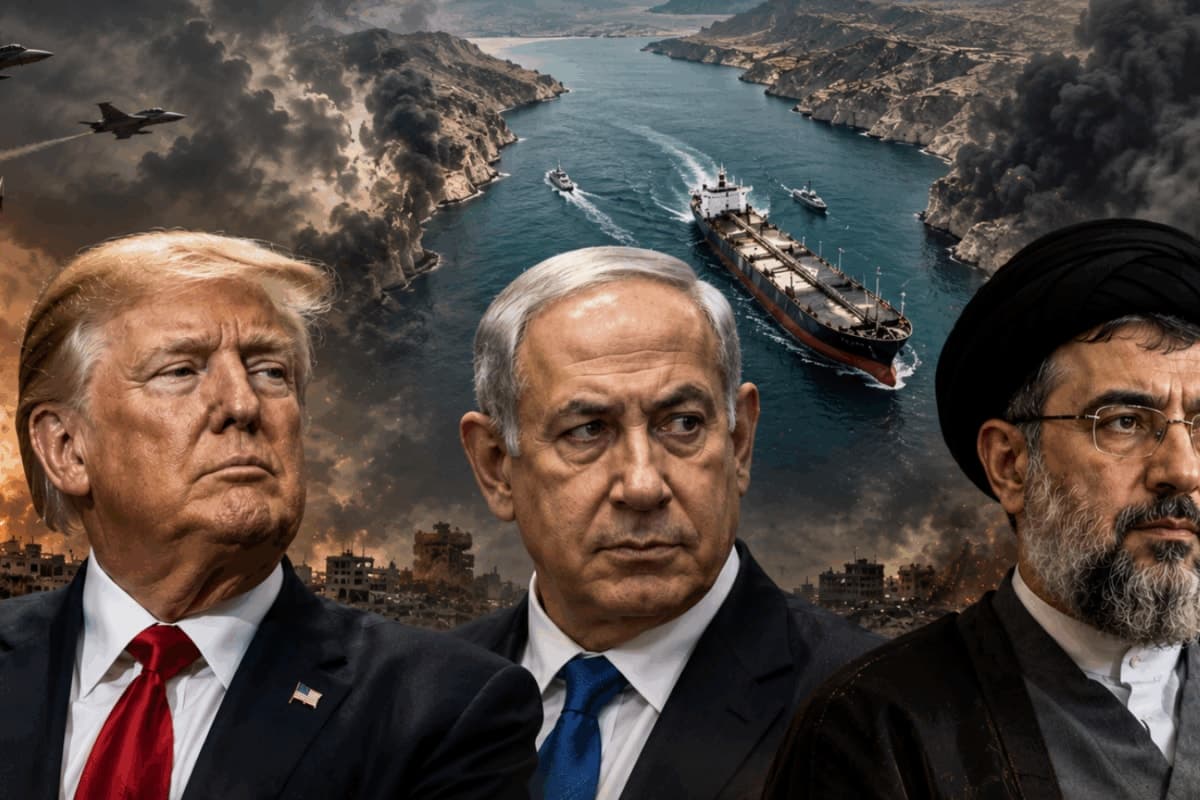
As Tehran links its regional security to the survival of its allies, the diplomatic bridge between Washington and Iran is crumbling under the weight of sustained military action in Beirut.
The silence in the Middle East is becoming shorter by the hour. Just days ago, a fragile glimmer of hope suggested that a de-escalation between Iran and the United States was within reach. Today, that optimism has been replaced by the roar of missiles. After the latest round of Israeli strikes in Lebanon, Iran responded with a direct barrage toward Israel, effectively turning a potential breakthrough into a diplomatic deadlock. The pattern is becoming clear: why Iran-US peace talks take a hit every time Israel strikes Lebanon is rooted in Tehran’s refusal to treat the Lebanese front as a secondary concern.
A Diplomatic Deadlock
Despite reports that Donald Trump personally reached out to Benjamin Netanyahu to urge restraint, the reality on the ground suggests that the "peace" being brokered is failing to hold. For Iran, the ongoing military campaign against Hezbollah—its most critical regional proxy—is not an isolated conflict. Tehran views these strikes as a direct assault on the "Axis of Resistance," its primary security architecture. By hitting Hezbollah’s commanders and infrastructure, Israel is, in the eyes of Iranian leadership, challenging the core of its regional strategy.
This structural entanglement has turned the Lebanon conflict into an impossible hurdle for negotiators. While the White House has pushed for a broader understanding, Iranian officials have remained firm: there can be no meaningful peace deal with Washington while Israeli jets continue their sorties over Beirut and southern Lebanon. Every time a blast echoes through the Lebanese landscape, the possibility of a handshake between Washington and Tehran moves further out of reach.
The Cost of Entanglement
The situation has evolved rapidly over the past month. What started as a focused military confrontation has expanded into a complex web of blocked trade routes, closed airspaces, and heightened naval tensions in the Strait of Hormuz. With reports of ships mined and radar sites targeted, the economic stakes for global markets are rising. Businesses tracking this volatility are seeing a direct correlation between the expansion of the conflict into Lebanon and the immediate hardening of Iran’s stance.
The Bigger Picture
The pattern here is unmistakable. For the regional powers, this isn't just about borders; it's about the post-conflict order. By tying its diplomatic participation to the cessation of hostilities in Lebanon, Iran is signaling that its regional influence is non-negotiable. For the US, the challenge is that its primary ally, Israel, views the destruction of Hezbollah's capabilities as an existential requirement. As long as these two objectives—Israel’s security operations and Iran’s diplomatic demands—remain diametrically opposed, the cycle of strike and retaliation will likely continue to sabotage any attempts at long-term peace. The diplomatic path is currently trapped in a loop where military reality consistently dictates the speed of the peace process.
Business Desk at PoliticalPedia covers economy & markets for an Indian audience in English and Hindi.