A Rough Morning: Why Asian Markets are Rattled and What to Expect Today
Stock market LIVE Updates: Investors' fears rise after US, Asian stocks tumble
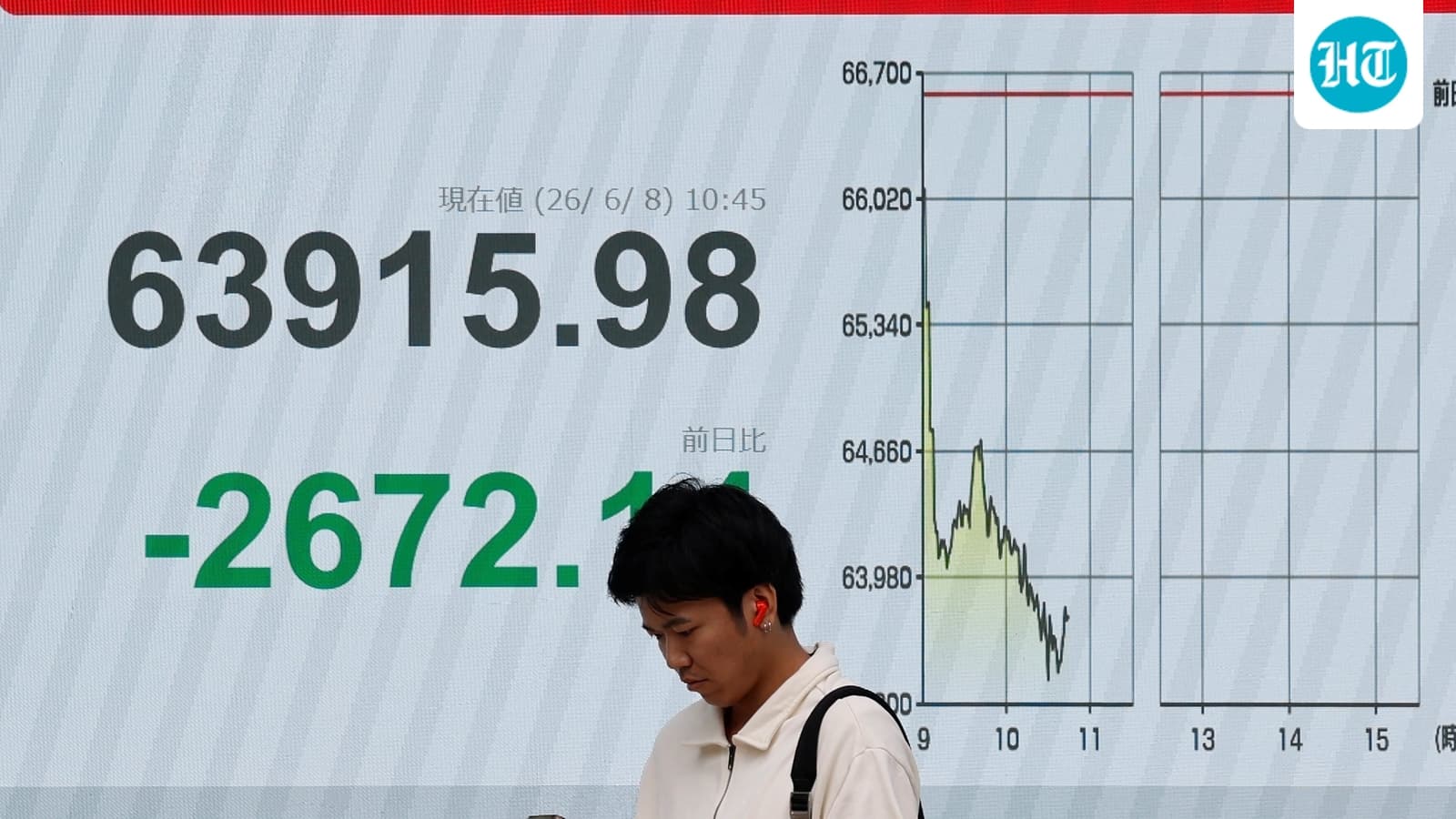
Investors are bracing for a volatile session as a global sell-off triggered by US economic jitters and geopolitical tensions hits home.
The trading screens in Mumbai lit up with a sea of red this morning, and the mood in the dealing rooms is palpably tense. Following a brutal session on Wall Street—the worst since October—Asian markets have skidded sharply. The GIFT Nifty, a key indicator for our own opening, plunged over 350 points, signaling that the local benchmark indices are set to start the week on the back foot.
The Global Domino Effect
The current chaos isn't tied to a single event, but rather a perfect storm of global anxieties. Stronger-than-expected US jobs data has reignited fears of a Federal Reserve interest rate hike, sending bond yields soaring and driving a massive sell-off in big tech stocks. Compounding this, the KOSPI in South Korea has seen a significant slide as investors dump assets, spooked by the combination of rising yields and a broader retreat from risk-heavy portfolios.
Beyond the numbers, the atmosphere is heavy with the threat of geopolitical instability. Reports of rising tensions in West Asia have sent oil prices climbing, heightening inflation fears across the globe. When energy prices surge, it creates a ripple effect, squeezing margins for businesses and leaving central banks with limited room to maneuver.
The View from Mumbai
While global cues are dragging sentiment down, the domestic picture remains a tug-of-war. The Reserve Bank of India (RBI) has kept the repo rate steady at 5.25%, and the government’s recent move to ease tax norms for foreign portfolio investors on government securities is a clear signal that India is trying to insulate itself by attracting stable foreign capital.
However, these domestic buffers are currently being overwhelmed by international noise. Market participants are keeping a nervous watch on FII flows, crude oil prices, and the progress of the monsoon, all of which are essential for keeping the Indian economy’s growth engine on track.
The Bigger Picture
Why does this matter? For the everyday investor, this volatility is a reminder that even as India positions itself as a resilient economy, it cannot fully decouple from global liquidity cycles. When the US markets sneeze—due to tech bubble fears or interest rate spikes—the rest of the world, including our own markets, catches a cold.
The immediate outlook is likely to remain range-bound. Investors should expect a period of "wait and watch" as the market attempts to find a floor. The current dip, while sharp, is a reflection of a global repricing of risk. Whether the Indian markets can shrug off these external fears and regain their footing depends on whether domestic optimism can hold its ground against a volatile global backdrop.
Features Desk at PoliticalPedia covers culture, tech & life for an Indian audience in English and Hindi.