Kitchen Budgets Hit as LPG and PNG Prices Climb Amid Global Volatility
LPG, PNG prices June 8, 2026: Check domestic, commercial cylinder rates in Delhi, Mumbai, Chennai, other cities
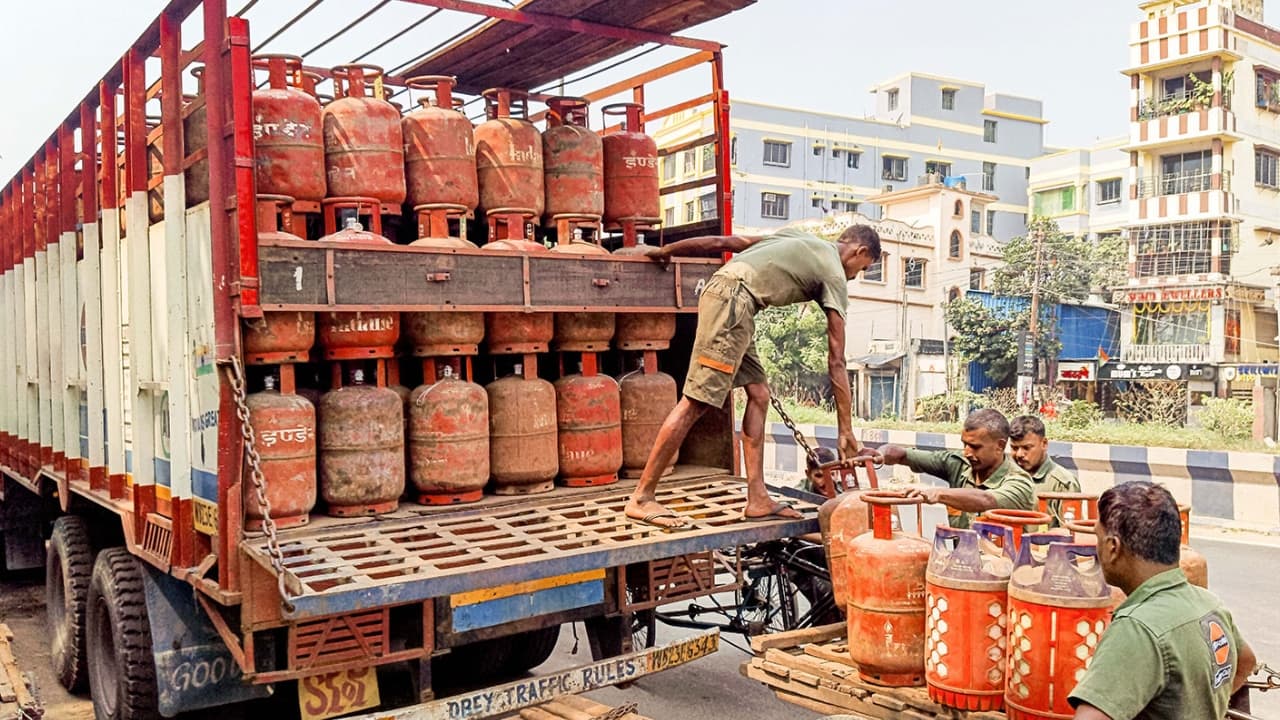
Households across major cities see a sharp hike in cooking gas costs as geopolitical tensions ripple through energy markets this June.
The quiet hum of the kitchen stove is becoming a costlier affair for families across India. As of June 7, Oil Marketing Companies (OMCs) have quietly nudged domestic LPG prices upward by ₹29 per 14.2 kg cylinder. For the average household in Delhi, Mumbai, Chennai, and other major metros, this marks the second price revision in just three months, tightening the squeeze on monthly grocery budgets that were already reeling from earlier commercial cylinder hikes of ₹42.
This latest adjustment isn't happening in a vacuum. As energy markets globally react to the escalating US-Iran conflict, the cost of importing fuel has soared. Indian OMCs, caught between mounting financial losses and the need to maintain a steady supply, have been forced to pass some of these soaring costs down to the end consumer. While petrol and diesel prices have remained relatively steady in some regions, the cooking gas segment is clearly bearing the brunt of the current import volatility.
Navigating the New Rules
Beyond the price hikes, the landscape of home energy is shifting. Recent weeks have seen a flurry of activity regarding PNG (Piped Natural Gas) switch rules and new usage restrictions. The government has had to step in with clarifications and exemptions for specific users, attempting to steady the transition as more households move toward piped infrastructure. For consumers, the message is clear: whether you use a traditional cylinder or a piped connection, the era of stable, predictable gas pricing is currently on pause.
Why it Matters: The Bigger Picture
The pattern is unmistakable. What we are seeing this June is a ripple effect where global geopolitical instability translates directly into the price of a dal-chawal meal. When global energy costs spike due to conflict, the domestic supply chain struggles to absorb the shock for long. For the common man, this means that even if global headlines about distant wars feel far removed, the impact is felt right at the burner. The immediate challenge for households is to manage these incremental increases while keeping an eye on their local city rates, which can fluctuate based on regional taxes and logistics.
As the situation evolves, consumers are advised to check the latest domestic and commercial cylinder rates regularly through official portals. With the energy market remaining hypersensitive to the ongoing international standoffs, the volatility we’ve seen over the first eight days of June is unlikely to vanish overnight. Managing the home budget now requires a closer look at these daily price updates than ever before.
Features Desk at PoliticalPedia covers culture, tech & life for an Indian audience in English and Hindi.