The $300 Billion Question: Behind the Proposed Iran Peace Deal
US–Iran Peace Deal: Why the Proposed $300 Billion Iran Reconstruction Fund Is Drawing Attention
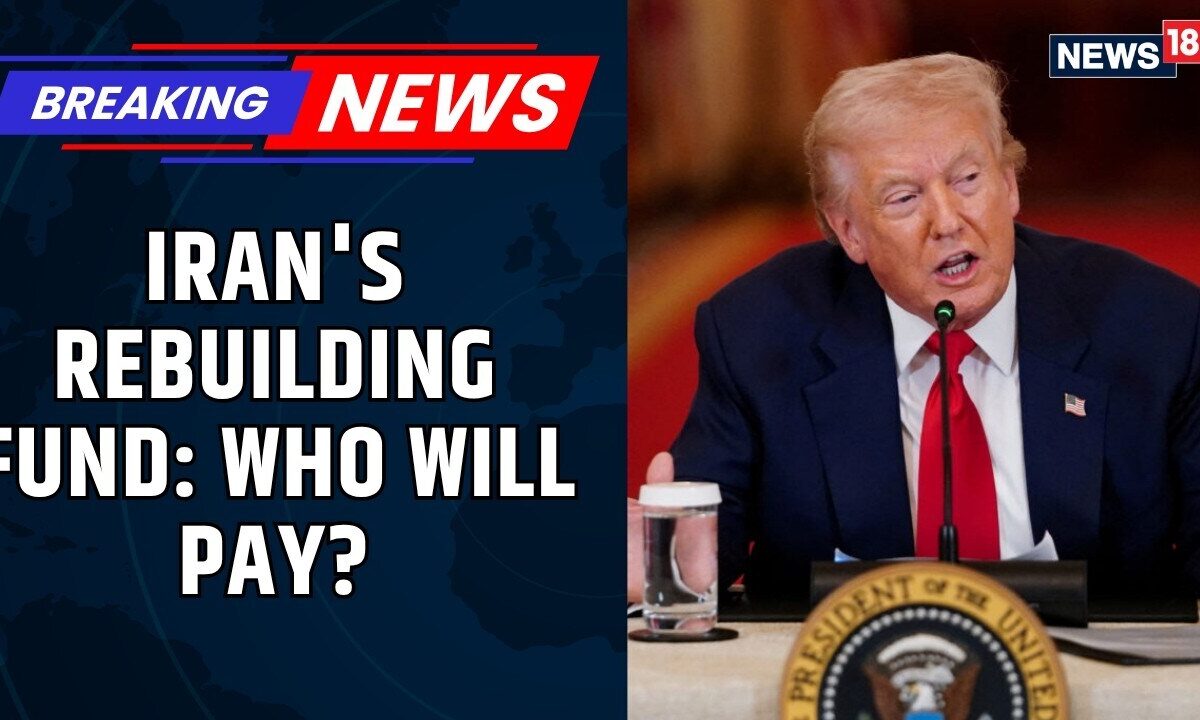
As tensions in the Strait of Hormuz threaten global markets, a massive reconstruction fund is emerging as the centrepiece of a potential US-Iran breakthrough.
The geopolitical chessboard is shifting rapidly. For weeks, the air has been thick with the threat of open conflict, but fresh reports from across the globe suggest that back-channel diplomacy is moving at a fever pitch. At the heart of these whispers is a proposed $300 billion Iran reconstruction fund—a figure that has caught the attention of policymakers, energy analysts, and investors alike. This deal isn't just about ending hostilities; it is being framed as an economic lifeline that could fundamentally alter the stability of the Middle East.
Reports surfacing from regional and international outlets suggest that a draft memorandum of understanding is currently being weighed. If it moves forward, the agreement could see the lifting of long-standing oil sanctions and a formal reopening of the Strait of Hormuz—the world’s most critical maritime oil chokepoint. While state media in Tehran and various international observers have traded conflicting details, the recurring theme remains the same: a massive financial injection in exchange for a cooling of tensions.
Market jitters and the human cost
The impact of this uncertainty is being felt far beyond the negotiating table. The markets are reacting in real-time; oil prices have already shown signs of slipping as traders digest the prospect of Iranian crude returning to the global supply chain. Meanwhile, the human toll of the recent instability remains raw. Following the tragic loss of three Indian sailors in a maritime incident, there is mounting pressure on diplomatic channels to ensure that any peace deal provides lasting security for merchant vessels navigating these volatile waters.
For the average investor, these macro-shifts have immediate ripple effects. With global uncertainty driving a flight to safety, the commodity market is reacting with classic volatility—as evidenced by the recent rebound in gold prices. While the today gold rate is a frequent point of interest for those looking to hedge against inflation, this current spike is a direct symptom of the anxiety surrounding the Iran peace deal. Investors are waiting to see if this proposed $300 billion Iran reconstruction fund is a genuine path to stability or another fragile diplomatic experiment.
The Bigger Picture
Why is this drawing attention on such a massive scale? It comes down to the sheer magnitude of the numbers involved. A $300 billion deal acts as both a carrot and a containment strategy. If the US and Iran reach a consensus, it would effectively rewrite the economic map of the region. However, the path forward is anything but smooth. Internal factions within the Iranian political establishment are reportedly clashing over the concessions, and in Washington, the political appetite for such a massive financial commitment remains a subject of intense debate.
The pattern here is clear: big-ticket diplomacy is being used to bypass decades of entrenched hostility. Whether this is a bridge to regional normalcy or merely a temporary ceasefire remains to be seen. As we track these developments, the focus will remain on whether these billions can actually buy peace, or if they will simply fuel the next round of geopolitical posturing. For now, the world watches the Strait, waiting to see if the ships—and the peace—can finally move forward.
Kabir Sharma writes on culture, technology and everyday life for PoliticalPedia.