Stones, Chased Convoys, and Boiling Tempers: The High Cost of Governance in Bihar
Bihar Politics: Bihar Minister’s Convoy Attacked During Visit to Accident Victim’s Family
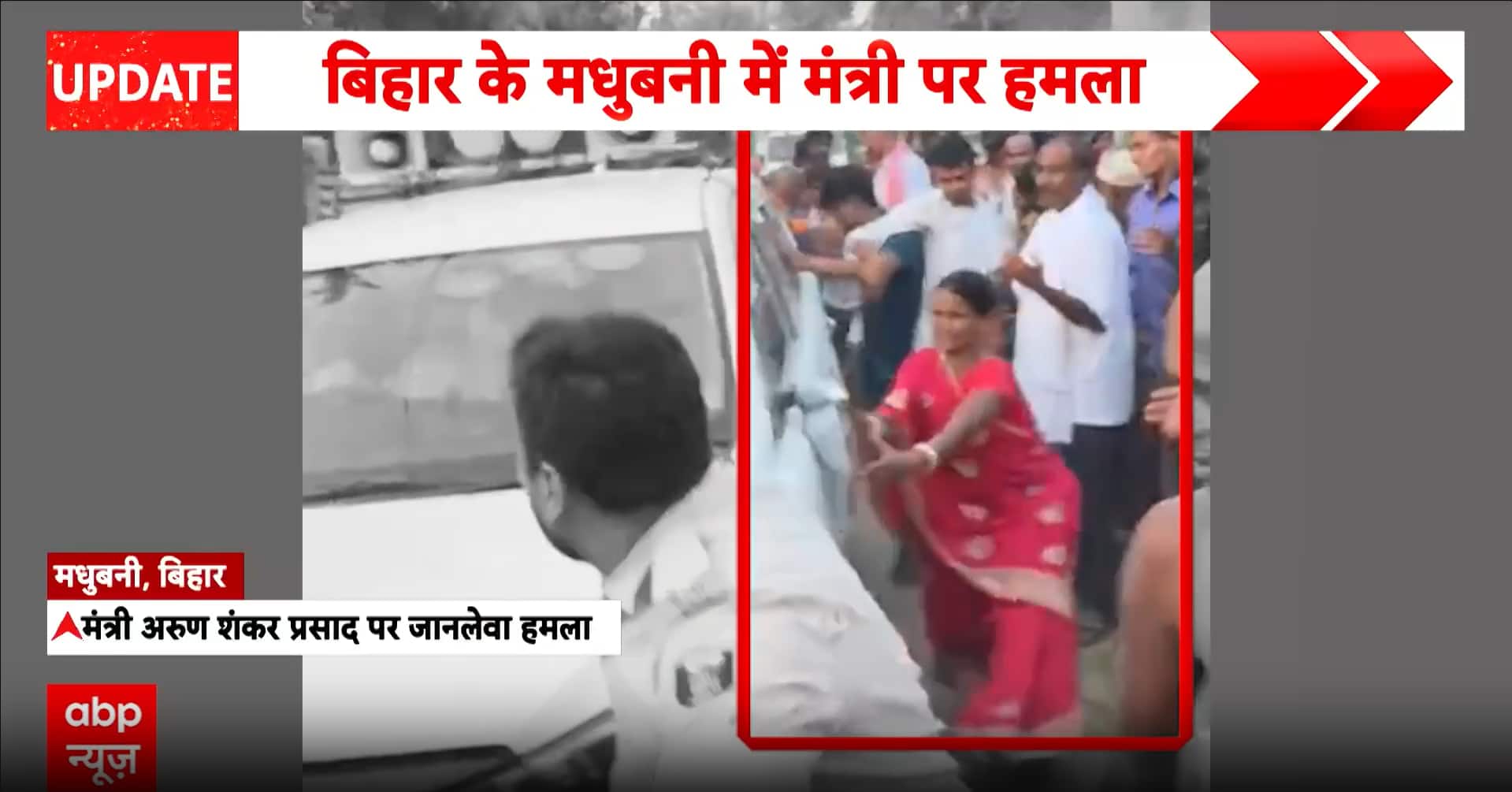
A state minister’s visit to a grieving family in Madhubani turns into a volatile standoff, spotlighting the growing friction between public anger and political accountability in Bihar.
The routine of political empathy turned into a survival drill in Madhubani’s Khajauli area this week. Bihar minister Arun Shankar Prasad, arriving to offer condolences to the family of a road accident victim, found himself at the centre of a violent confrontation rather than a quiet memorial. As the minister’s convoy pulled into the village, the air wasn't filled with the usual political pleasantries, but with allegations of administrative negligence and links to the state's murky liquor smuggling trade.
What began as a protest against local police quickly escalated into a chaotic scene. Witnesses report that local residents, frustrated by what they perceived as the complicity of the law enforcement apparatus in the fatal accident, surrounded the vehicle. The situation deteriorated rapidly; stone-pelting ensued, leaving the rear window of the minister's car shattered. While security personnel managed to extract the minister safely, the incident highlights a disturbing trend across the state where the physical safety of public representatives is increasingly tied to the failures of the local administration.
A Pattern of Public Fury
This incident is not an isolated flashpoint in the volatile landscape of Bihar politics. Across different districts, we are seeing a recurring pattern: when the machinery of the state fails to deliver justice or timely compensation, the public’s frustration is channeled directly toward the nearest political face. Whether it is angry villagers in Nalanda chasing away JD(U) leaders over compensation delays or the broader, simmering tensions surrounding law and order, the "ministerial visit" is becoming an increasingly high-risk venture.
For his part, Prasad has pointed fingers at the opposition, accusing RJD workers of orchestrating the attack to capitalise on the tragedy. Meanwhile, the police have promised a crackdown, vowing to identify and prosecute those involved in the violence. Yet, the disconnect remains clear: while politicians trade blame, the villagers’ anger—fuelled by allegations that the vehicle involved in the recent accident was linked to illegal liquor smuggling—points to a deeper rot in local governance that mere security details cannot fix.
The Bigger Picture
Why does this matter? The recurring attacks on political convoys in Bihar suggest that the gap between the electorate and the administration has reached a breaking point. When citizens believe that the law is not just slow, but actively compromised by corruption, the formal channels of grievance redressal are bypassed in favour of direct, often violent, confrontation.
As the state inches closer to electoral cycles, these tremors in the countryside are significant. They indicate that "development" and "law and order" messaging will struggle to gain traction if the average citizen feels that the state is not only failing to protect them from road tragedies but is also shielding the perpetrators. For the current government, the challenge is no longer just about winning the optics of a visit; it is about reclaiming the legitimacy of the administration in the eyes of an increasingly cynical and angry public.
Business Desk at PoliticalPedia covers economy & markets for an Indian audience in English and Hindi.