Monsoon Fury: Kerala Braces for Heavy Rainfall as IMD Issues Statewide Alerts
Heavy rain alerts continue across Kerala as monsoon remains active
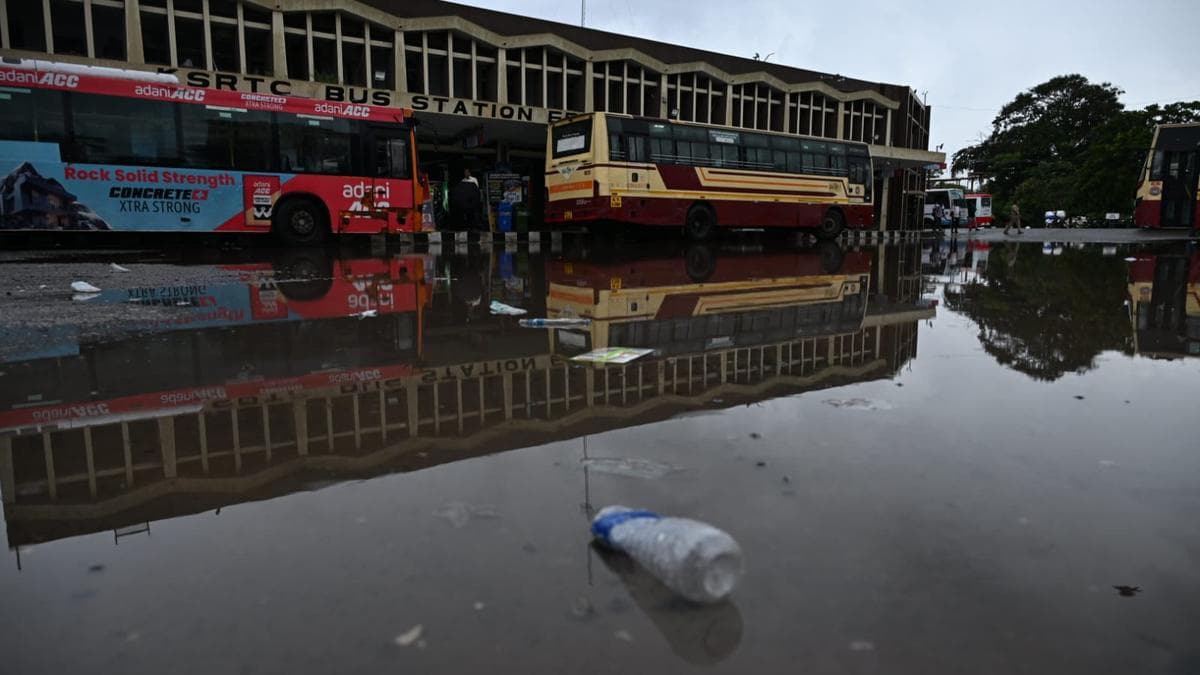
As the southwest monsoon remains active, the India Meteorological Department has sounded orange and yellow alerts across Kerala, prompting travel restrictions and precautionary closures.
The familiar scent of damp earth has returned to Kerala, but this time it carries a sense of urgency. As of Monday, June 8, the state is locked in the grip of a vigorous southwest monsoon, with the India Meteorological Department (IMD) keeping the entire region on high alert. From the northern tip of Kasaragod to the southern stretches of Thiruvananthapuram, the weather office has issued a cascade of warnings, signaling that the next 48 hours will be defined by intense, unpredictable bursts of rainfall.
Tracking the Alerts
The intensity of the weather varies as you move across the map. An orange alert—indicating the potential for very heavy rainfall between 11 cm and 20 cm—is currently in force for Kozhikode, Kannur, and Kasaragod. By Tuesday, this warning shifts to include Malappuram, while the existing alerts for the northern districts remain critical. Meanwhile, a yellow alert blanket covers the rest of the state, including Pathanamthitta, Idukki, and Ernakulam, where citizens are being warned of moderate to heavy downpours that could easily disrupt daily commutes and local infrastructure.
Beyond the rainfall, the sea has turned volatile. Fishermen have been strictly advised to stay off the water, as squally weather is expected to whip up wind speeds reaching 60 kmph along the coast. In Thiruvananthapuram, the situation prompted a sharp, short-term orange alert on Monday, with authorities flagging the risk of thunderstorms capable of rattling poorly built structures.
Staying Safe Amidst the Downpour
The administration is taking no chances. Across the state, popular tourist spots—often the pride of Kerala’s monsoon season—have been shuttered to prevent accidents near swelling waterfalls and rising water bodies. The Kerala State Disaster Management Authority (KSDMA) has moved into a round-the-clock monitoring mode, with control rooms now operational at the taluk and district levels. For those in low-lying areas or near the banks of rivers and dams, the message is clear: monitor local water levels and be prepared to move to designated relief shelters if the situation escalates.
The Bigger Picture
Why does this matter? While the monsoon is the lifeblood of Kerala’s agrarian economy, the increasingly erratic nature of these systems highlights a shift in our climatic patterns. We are seeing more frequent "extreme" weather events packed into shorter windows, forcing the state to transition from a cycle of seasonal preparation to one of constant vigilance. The rapid activation of these alerts across such a wide geographical area underscores the vulnerability of the region’s hilly and coastal topography. For the average citizen, this is no longer just a rainy season—it is a period where situational awareness is as essential as an umbrella.
If you find yourself in a vulnerable situation, do not wait for the water to rise. The toll-free numbers 1077 and 1070 are open for anyone needing emergency assistance. Until the skies clear, the desk urges readers to avoid unnecessary travel to hilly regions and to keep a close eye on the latest IMD updates.
Features Desk at PoliticalPedia covers culture, tech & life for an Indian audience in English and Hindi.