From Fiction to the Beach: How Thiruvanmiyur’s Youth are Taking Charge
Thiruvanmiyur Young Changemakers Club: 30 youngsters inducted to drive change
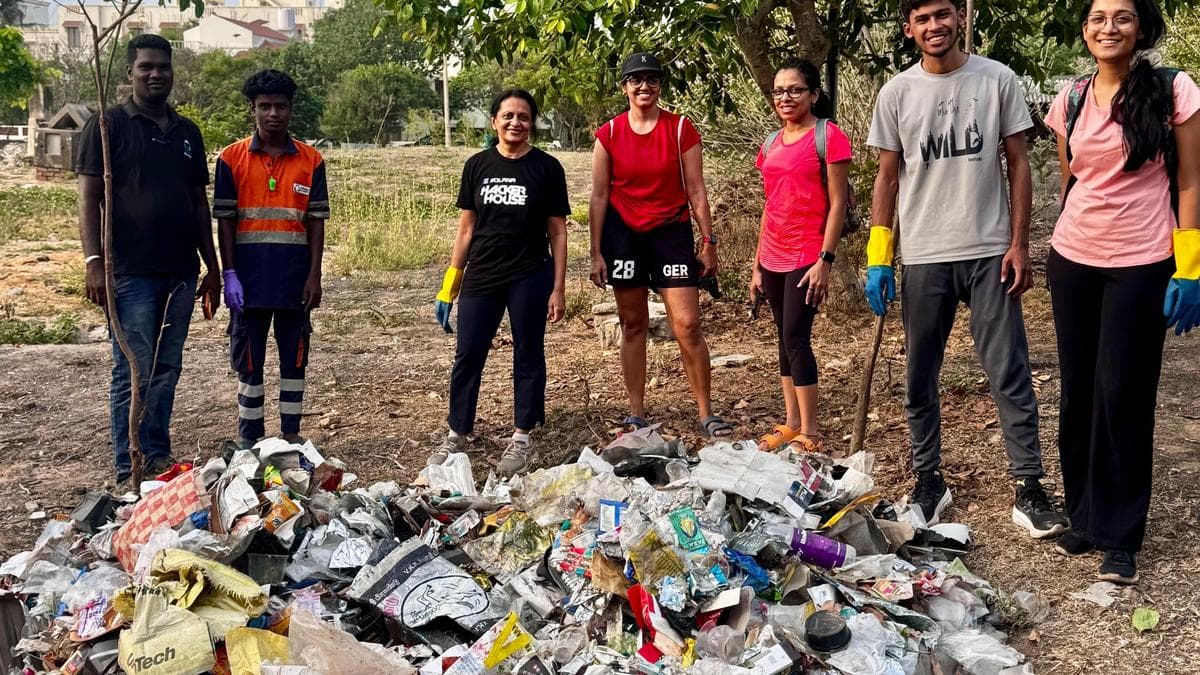
Thirty local youngsters have been inducted into a new civic initiative, aiming to revitalize community-driven environmental and social projects in Chennai.
The image of a "young changemaker" often feels like a trope plucked straight from the pages of Enid Blyton or the heroic arcs of Harry Potter—characters who possess wisdom and courage well beyond their years. While literature has long romanticized the idea of children leading the way, a group of residents in Chennai’s Valmiki Nagar has decided to move this narrative from the bookshelf to the shoreline. On June 6, the Thiruvanmiyur Young Changemakers Club officially launched, inducting 30 local youngsters to help steer the future of their neighborhood.
The idea behind the club is rooted in a pragmatic need for fresh momentum. Community initiatives in Thiruvanmiyur—ranging from beach clean-ups and plogging to waste segregation and tree preservation—had begun to hit a frustrating, stagnant cul-de-sac. Adults, including prime mover Gayatri Nair of Third Seaward Road, realized that the energy needed to sustain these projects required a shift in ownership. Instead of viewing youth as mere volunteers, the adults decided to empower them as primary decision-making agencies.
This is not a case of children being left to fend for themselves; rather, it is a collaborative script. While the adults remain in the background to provide guidance and "tweak the script" when necessary, the members of the Thiruvanmiyur Young Changemakers Club are the ones tasked with leading the change. By giving them the agency to decide how they serve their environment, the organizers hope to foster a sense of genuine accountability that often wanes when community work feels like a top-down mandate.
Why it matters
The rise of the young changemakers movement in Chennai highlights a growing trend in urban civic engagement: the move from passive residency to active stewardship. In many Indian metros, community initiatives often struggle with "volunteer burnout" among the older generation. By formally inducting youth into these roles, neighborhoods are not just getting extra hands for beach clean-ups; they are building a pipeline of civic-minded citizens. This model of intergenerational mentorship, where elders provide the infrastructure and youth provide the energy, offers a blueprint for other urban areas struggling to keep their local sustainability projects alive.
The success of this experiment will likely depend on whether these youngsters are granted real autonomy. If the club succeeds, it proves that the idea of youth-led governance is not just a romantic literary device, but a viable solution to modern civic challenges. As these 30 members begin their work, they are effectively bridging the gap between the fictional heroes we read about as children and the very real, gritty requirements of maintaining a coastal urban environment.
World Desk at PoliticalPedia covers global affairs for an Indian audience in English and Hindi.