Seismic Activity Rattles Himachal Pradesh as Chamba Records Multiple Tremors
5.0 magnitude earthquake jolts Chamba and other Himachal Pradesh districts
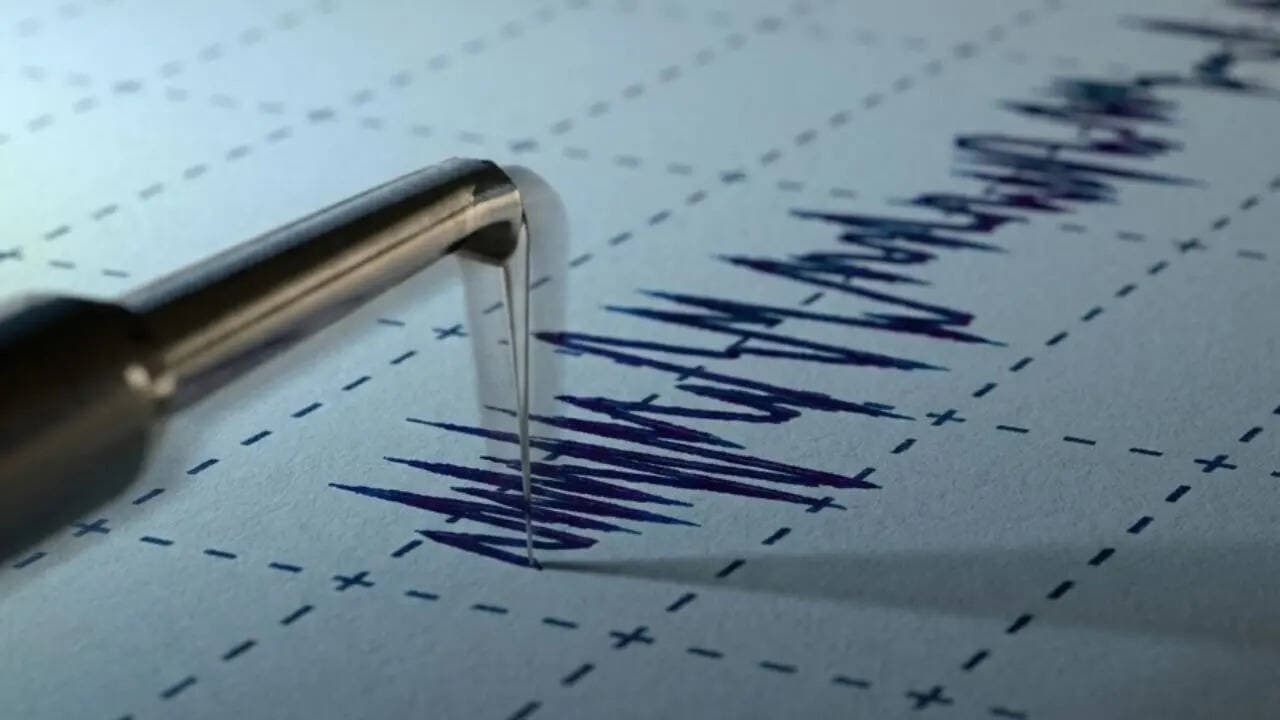
Residents across Himachal Pradesh were left on edge following a series of tremors that struck the Chamba region, echoing across Northern India.
The mountainous landscape of Himachal Pradesh witnessed a significant geological stir this week as a series of tremors, varying in intensity, jolted the Chamba district. While initial reports from outlets like The Times of India and The Tribune pointed to a singular event of 5.0 magnitude, subsequent data from seismological monitoring indicates a more complex sequence of seismic activity, with multiple tremors—ranging from 3.3 to 4.5 on the Richter scale—recorded in the region since Friday.
A Cluster of Tremors
The seismic activity has been concentrated in the Chamba belt, a region historically recognized for its vulnerability to tectonic shifts. Local residents reported feeling distinct vibrations, leading to widespread anxiety. Conflicting reports regarding the exact magnitude of these events reflect the difficulty in measuring rapid-fire seismic clusters; while some monitoring agencies clocked individual shocks at 3.3 and 4.0, other estimates have placed the highest intensity closer to the 4.5 to 5.0 range.
The tremors were not confined to the immediate vicinity of Chamba. Reports have confirmed that the vibrations were felt across various parts of Himachal, with some residents in neighboring districts and parts of North India also noticing the shaking. The persistent nature of these occurrences—with some sources noting this as the sixth such incident in the district within a short window—has prompted local authorities to keep a close watch on the situation.
Regional Context and Safety
This recent earthquake in Himachal serves as a stark reminder of the state’s position within a high-risk seismic zone. The Himalayan belt is prone to frequent, often mild, seismic adjustments due to the ongoing tectonic collision between the Indian and Eurasian plates. While the recent jolts have largely been categorized as mild to moderate, the frequency of these events in the Chamba and Dharamshala regions often triggers precautionary measures from district administrations.
Beyond the immediate panic, there have been no widespread reports of structural collapse or major casualties linked specifically to these Chamba tremors, though the situation remains fluid. Similar geological instability has been observed in neighboring Jammu and Kashmir, where a 5.4 magnitude event recently caused damage to residential structures in the Doda district. As the region remains on high alert, experts emphasize the necessity of adhering to seismic-resistant building codes to mitigate risks during future geological activity.
The PoliticalPedia Editorial Desk brings verified, sourced political news and analysis from across India.