Scorched Compartments and Failed Systems: New Video Exposes Extent of Fire Aboard USS Gerald R. Ford
Video shows effects of intense fire that forced the world's most powerful warship to return to port
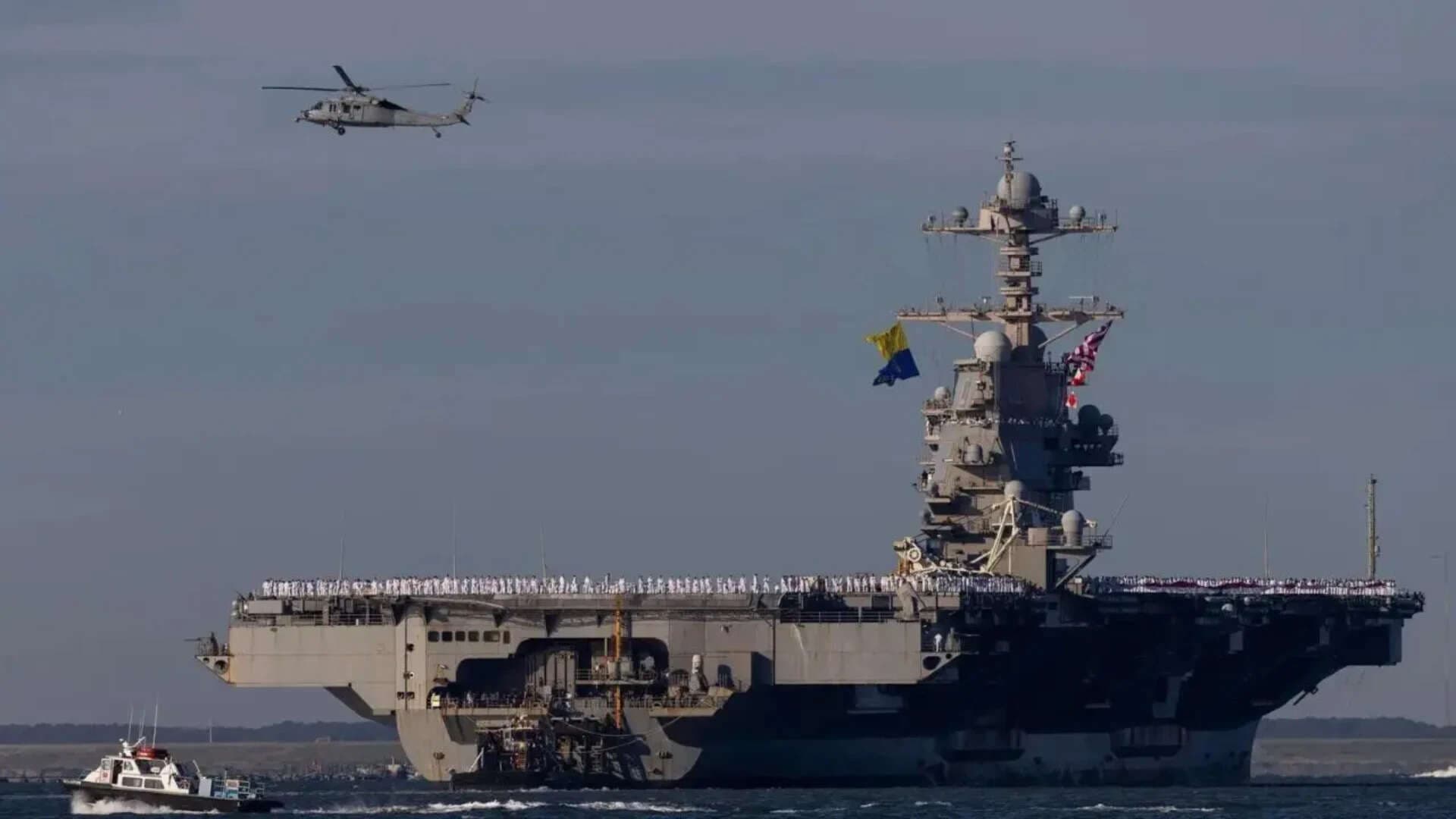
Leaked footage contradicts initial Navy claims regarding the severity of a March fire that damaged the world’s most advanced aircraft carrier during Red Sea operations.
The USS Gerald R. Ford, the U.S. Navy’s crown jewel of naval engineering, faced a crisis far more severe than previously acknowledged by military officials. Newly released video footage obtained by CNN provides a stark, visual rebuttal to early reports that described a minor incident with negligible impact on the vessel’s capabilities. The imagery reveals blackened, gutted compartments and melted equipment, offering a sobering look at the damage sustained during a March 12 fire while the carrier was deployed in the Red Sea to support operations involving Iran.
A Struggle for Survival at Sea
While the U.S. Central Command (CENTCOM) initially stated that the fire, which originated in the ship’s main laundry area, was quickly contained and did not compromise the carrier’s mission, the reality onboard was reportedly harrowing. One sailor, speaking on the condition of anonymity, described a desperate "fight or die" scenario, admitting, "I seriously thought we are going to lose the ship." The footage corroborates this intensity, highlighting a failure in the ship's fire suppression systems that forced crew members to scramble manually to combat the blaze.
Beyond the visible fire damage, the human toll was significant. Although the Navy reported only two sailors suffered non-life-threatening injuries during the initial event, subsequent reports from outlets like Reuters indicate that nearly 200 sailors required treatment for smoke-related complications. Approximately 100 sleeping berths were left in a state of ruin, forcing the carrier to withdraw from its Red Sea theater. The vessel ultimately diverted to Souda Bay in Greece for emergency repairs and later to Croatia for sustained maintenance.
Technological Prowess Under Scrutiny
The Gerald R. Ford represents a massive leap in naval warfare, displacing 100,000 tonnes and serving as the lead ship of its namesake class. Equipped with nuclear propulsion capable of decades of operation without refueling, it boasts cutting-edge electromagnetic catapults (EMALS) and the capacity to house over 75 aircraft, including the sophisticated F-35C stealth fighters. However, the March fire was not the only technical hurdle the vessel encountered; reports have noted persistent issues with the ship's onboard toilet systems throughout its deployment, raising questions about the operational readiness of such a high-cost, high-tech platform.
This incident occurs against a volatile backdrop of rising tensions in the Middle East. As the U.S. continues to signal a long-term strategic presence in the region, the vulnerability of its most powerful warship serves as a critical point of concern for defense analysts. Whether the maintenance stops in Greece and Croatia have fully resolved these mechanical and safety shortcomings remains a subject of ongoing debate within military circles, particularly as the U.S. faces a complex web of regional friction involving Iran and its maritime interests.
The PoliticalPedia Editorial Desk brings verified, sourced political news and analysis from across India.