Scientific Breakthrough: Researchers Precisely Edit Human Embryo DNA
Scientists Precisely Edit Human Embryo DNA. Are ‘Engineered Babies’ Next?
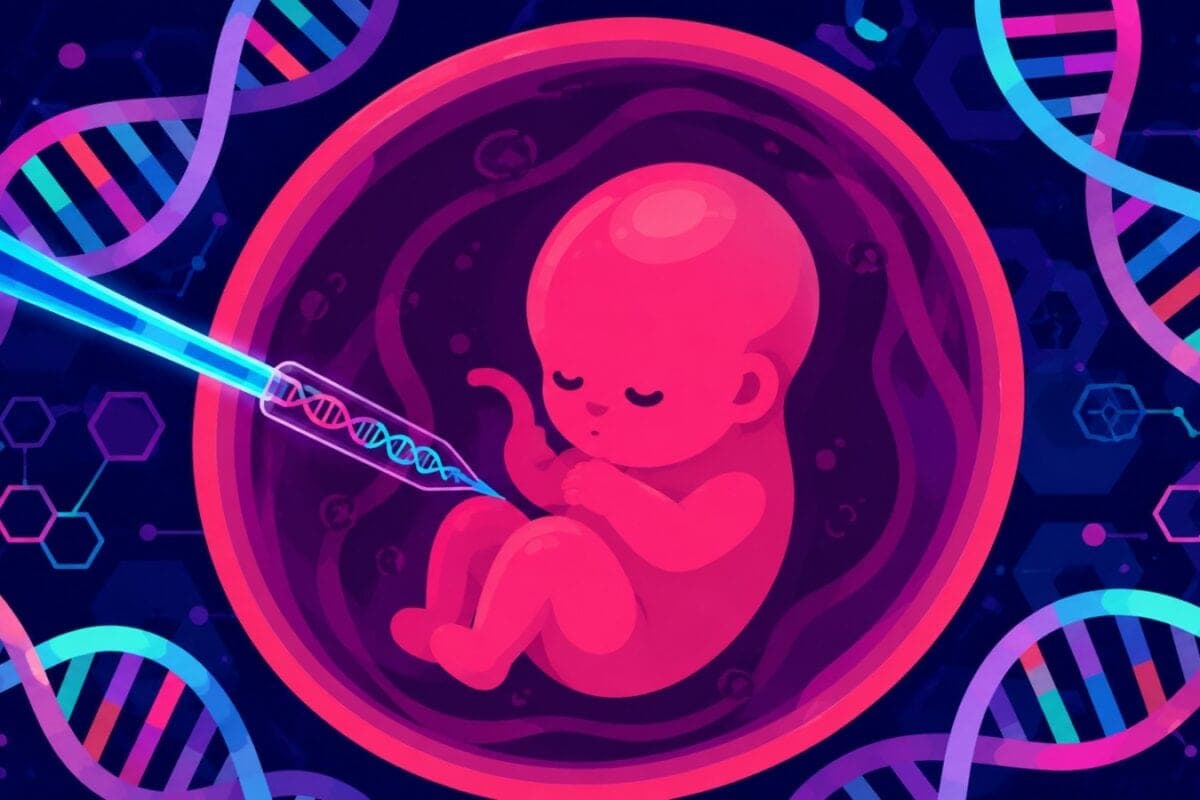
A new advancement in genetic medicine has sparked global debate over the potential for curing hereditary diseases versus the ethical risks of designing future generations.
Geneticists at Columbia University have achieved a significant milestone in biotechnology, utilizing a refined technique to modify the genetic blueprint of early-stage embryos. By moving beyond traditional methods, the team demonstrated that they can alter specific genetic sequences with remarkable precision. While this breakthrough offers a glimmer of hope for eradicating inherited health conditions before a child is born, it has simultaneously reignited an intense international conversation regarding whether we are moving closer to a reality where engineered babies become the next societal challenge.
Refinement Over Repair: The Shift to Base Editing
For years, the scientific community relied heavily on CRISPR technology, a tool that functions like molecular scissors to snip out segments of DNA. While revolutionary, CRISPR occasionally causes unintended damage to the genome. The Columbia team, led by geneticist Dieter Egli, opted for a newer approach known as base editing. Rather than cutting the DNA strands, this method functions more like a digital spell-checker, allowing researchers to swap out individual genetic letters with far greater accuracy and fewer accidental errors.
The study, which is currently undergoing peer review, involved experimenting with donated, fertilized eggs and two-cell embryos. The researchers focused their efforts on two specific genes: the PCSK9 gene, often associated with elevated cholesterol and heart disease, and the HBG gene, which plays a vital role in fetal hemoglobin production. The results were promising, as the team successfully modified these targets without the widespread genomic disruption that frequently plagued earlier attempts at gene manipulation.
Balancing Innovation and Ethics
The implications of this research are profound, particularly for families burdened by hereditary illnesses. By potentially correcting dangerous mutations at the embryonic level, scientists could one day prevent severe health complications from ever developing. However, the ability to selectively modify traits in a human embryo naturally stirs deep-seated anxieties. Critics and ethicists have long warned that such technology could be misused, pushing society toward a future where non-medical enhancements are selected for, bringing us to the persistent question: are engineered babies next?
Dr. Egli has emphasized that the role of the researcher is to provide the empirical data necessary for a transparent, public discourse. He maintains that while the scientific community can illuminate the path forward and provide the facts, the broader societal, legal, and ethical decisions regarding the application of embryo DNA modification must involve a much wider demographic. As the study continues to be vetted by the scientific community, the world waits to see how regulatory frameworks will evolve to govern this powerful new capability.
The PoliticalPedia Editorial Desk brings verified, sourced political news and analysis from across India.