Scaling the $500 Billion Goal: USIBC Chief Atul Keshap Pushes for Long-Awaited India-US Trade Pact
India-US trade deal "75 years overdue"; proposed 12.5% tariff part of talks: USIBC's Atul Keshap
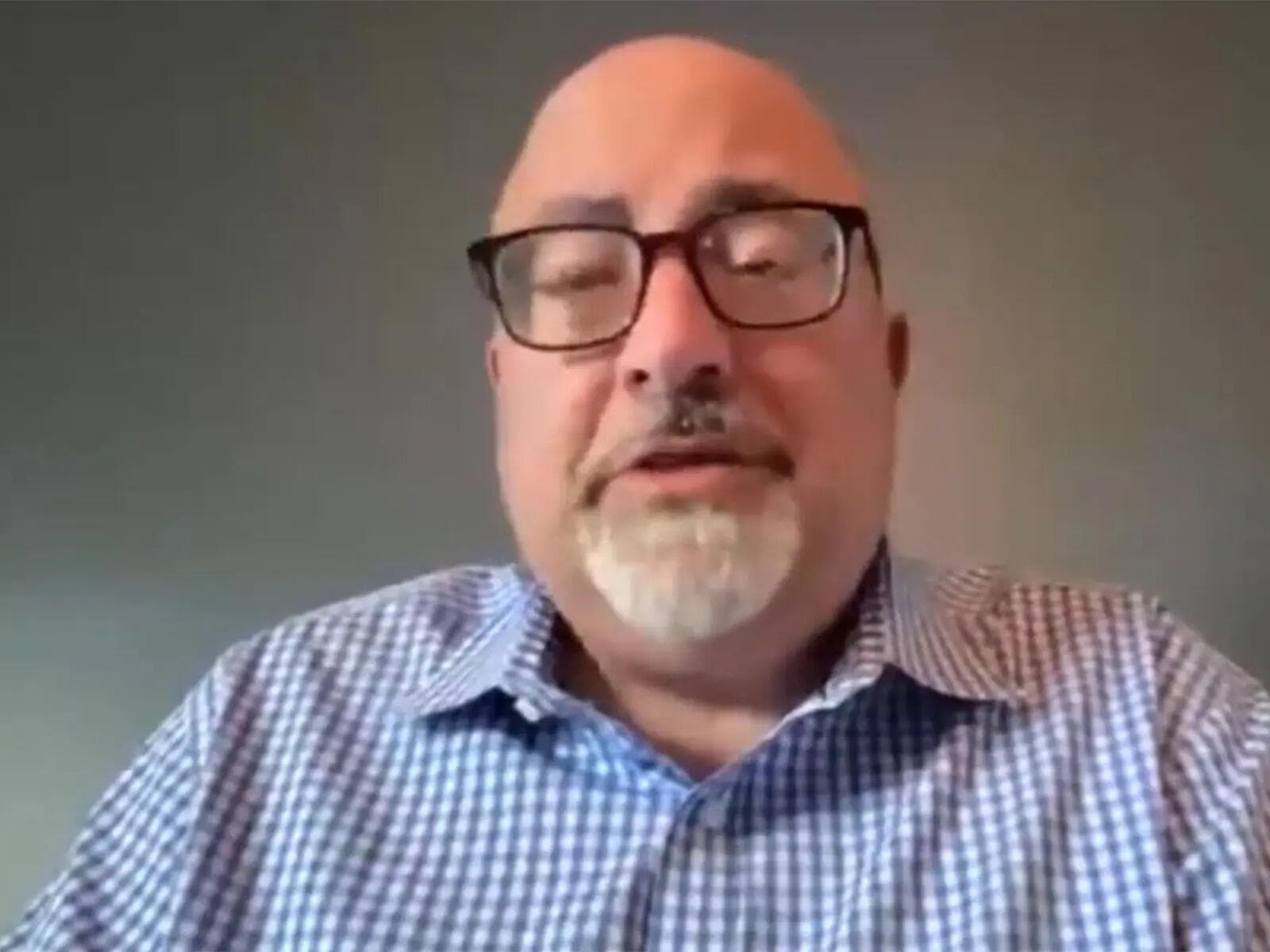
As Delhi and Washington intensify negotiations, trade experts argue that a formal agreement is essential to move past "drifting" relations and unlock a massive economic potential.
After decades of missed opportunities, the discourse surrounding a comprehensive bilateral trade agreement (BTA) between India and the United States has reached a fever pitch. Atul Keshap, President of the US-India Business Council (USIBC), recently emphasized that such a deal is effectively 75 years overdue. Following intensive multi-day deliberations in Delhi between teams led by U.S. Trade Representative officials, including Brendan Lynch, and their Indian counterparts, Keshap highlighted that both nations are sending strong signals of a shared desire to finalize a framework that could push bilateral trade toward a $500 billion target—a figure he currently describes as "woefully underpowered."
Navigating Tariffs and Structural Reforms
A central point of contention in current talks is the proposed 12.5% tariff surcharge on labour-intensive goods, a measure floated by Washington. Rather than viewing this as a peripheral issue, Keshap noted that it is a core element of the ongoing negotiation. He indicated that the tariff is inextricably linked to longstanding American concerns regarding market access, the treatment of foreign investors, and the persistent issue of "regulatory cholesterol" within the Indian administrative landscape. By bringing these friction points to the table, both sides are attempting to move toward a compromise that could ultimately render such punitive measures unnecessary.
The New Reality of 'Hardball' Diplomacy
Describing the atmosphere in Delhi as one where both sides are playing an equally tough hand, Keshap pointed to a significant shift in diplomatic posture. He observed that while Indian negotiators are recognized for being shrewd, well-organized, and powerful, the current US administration has demonstrated a unique willingness to engage in "hardball tactics" that distinguish it from previous governments. Notably, he gave the current administration credit for maintaining strict confidentiality regarding their strategic positions—a departure from the leaks that frequently characterized US-India trade discussions two decades ago.
Moving Beyond 'Drifting' Ties
The need for a concrete deal is underscored by what Keshap describes as a period of "drifting" in the relationship, exacerbated by the war in Ukraine and broader global trade tensions. While recent high-level engagements—including Secretary Rubio’s four-day visit to India and renewed momentum within the Quad—have provided a vital boost, Keshap argues that the partnership must evolve. He advocates for deeper integration, particularly by linking the critical minerals partnership to the development of data centers and leadership in artificial intelligence.
"AI may not necessarily only stand for artificial intelligence," Keshap remarked, suggesting it should also serve as a shorthand for the deepening synergy between America and India. As negotiators continue their work, the consensus among industry observers is that structural reforms and increased focus on R&D will be the necessary catalysts for India to leverage this moment. For both Delhi and Washington, the objective remains clear: transforming a relationship defined by potential into one solidified by a formal, enduring trade architecture.
The PoliticalPedia Editorial Desk brings verified, sourced political news and analysis from across India.