Sechin claims US energy giants are reaping windfall from Strait of Hormuz closure
'US firms benefit from Hormuz closure': Russian oil company chief's big claim amid Iran war
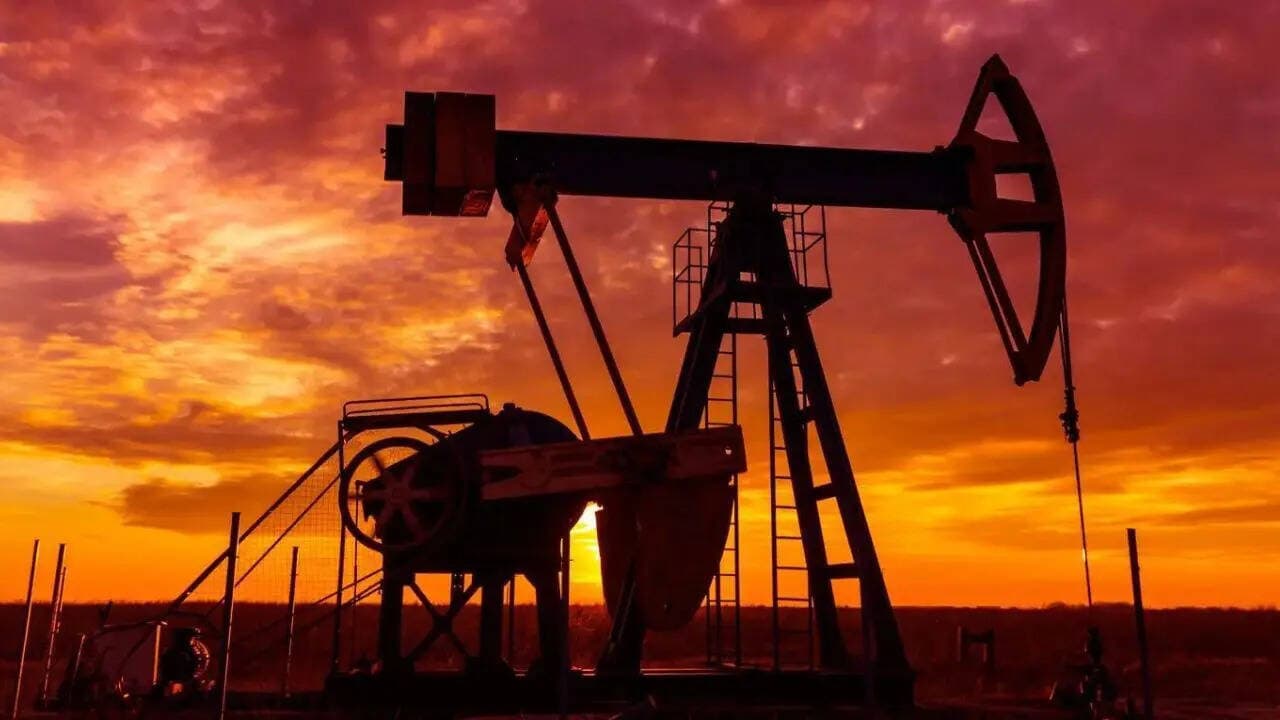
As the Iran-US conflict disrupts global trade, Russian energy leadership warns that the blockade of a critical maritime chokepoint is fundamentally altering the global energy landscape in Washington’s favour.
The closure of the Strait of Hormuz—the world’s most vital maritime chokepoint—has ignited a fierce geopolitical blame game, with Rosneft chief executive Igor Sechin accusing American energy companies of being the primary beneficiaries of the ongoing crisis. Speaking at the St. Petersburg International Economic Forum, Sechin argued that the blockade, which has effectively severed a route for roughly one-fifth of global crude supplies, has allowed US firms to gain "non-competitive advantages" by forcing the market toward high-cost, alternative American supplies.
A calculated shift in market power
The tension escalated rapidly in February when Iran responded to US and Israeli military strikes by blockading the waterway, a move met by an immediate US naval counter-blockade on Iranian ports. Sechin characterised this series of events not merely as a regional conflict, but as a deliberate attempt to restructure global energy regulations. He suggested that the strategic risks of these measures were severely underestimated, and that while intended to squeeze Tehran, the resulting supply shock has "backfired on the entire world," destabilising energy security far beyond the Middle East.
Market analysis appears to mirror the gravity of these claims. With oil prices spiking above $100 a barrel at the height of recent hostilities, energy conglomerates have seen massive windfalls, even as consumers grapple with rising costs. While the US and Israel have targeted key Iranian infrastructure, including steel plants and bridges, the broader ripple effects have left global markets in a state of high volatility, with Aramco executives in Saudi Arabia warning of "catastrophic consequences" should the disruption continue.
The long-term threat to oil demand
Beyond immediate price hikes, Sechin warned of a darker long-term outlook for the petroleum industry. He cautioned that if the tension in the Strait persists, the resulting unpredictability could permanently undermine global oil demand. By forcing nations to seek stability, the crisis could accelerate the transition toward alternative energy sources, as countries move to insulate themselves from the fragility of maritime chokepoints like the Malacca, Bab el-Mandeb, and Gibraltar straits, all of which now face heightened disruption risks.
Despite the current impasse, Sechin projected that crude prices could potentially settle toward $80–$85 per barrel within a year, provided the Strait of Hormuz reopens. However, Iranian officials remain defiant, maintaining that a reopening is currently "not possible" under the prevailing US naval blockade. As the conflict widens, drawing in regional players through reported missile strikes against energy facilities in Qatar, Kuwait, and Saudi Arabia, global observers are closely monitoring whether a projected return to market fundamentals by 2027 remains a realistic target or merely an optimistic baseline.
The PoliticalPedia Editorial Desk brings verified, sourced political news and analysis from across India.