India’s Russian Oil Imports Surge to 38% Share as Premium Costs Skyrocket
Share of Russian oil in Indian imports rises to 38%, premium paid jumps 425% in April 2026
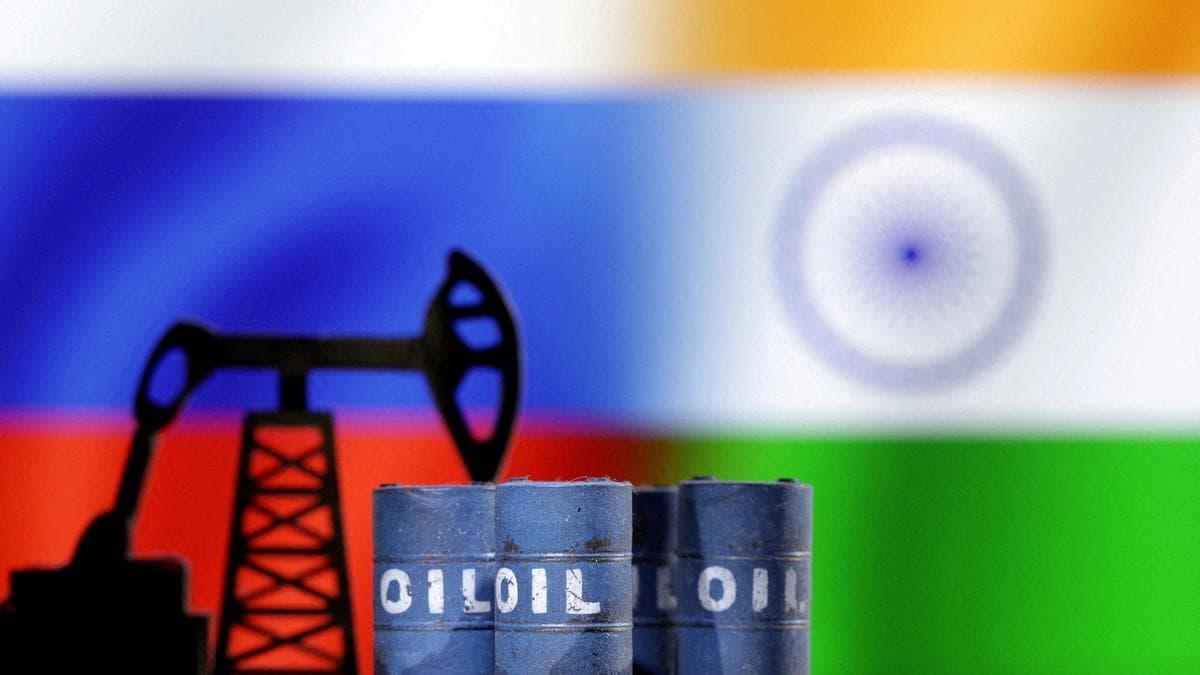
As geopolitical tensions in West Asia reshape energy trade, India’s reliance on Moscow reaches an 11-month high despite a sharp increase in pricing.
The landscape of India’s energy procurement underwent a significant shift in April 2026, as the country’s dependence on Russian crude oil rebounded sharply. Data released by the Ministry of Commerce and Industry reveals that the share of Russian oil in the total value of Indian imports climbed to nearly 38%, marking an 11-month high. This pivot comes as New Delhi navigates the volatile fallout of the ongoing West Asia crisis, which has simultaneously pushed India’s total monthly oil import bill to $15.4 billion—a substantial 61.3% increase compared to the preceding month.
From Discounts to Heavy Premiums
While the initial phase of the Russia-India energy partnership was defined by lucrative discounts, the economic reality has soured for the South Asian nation. In April, the cost dynamics shifted dramatically; India paid an average of $864.9 per tonne for Russian oil, significantly higher than the global average of $787.1 per tonne across all supplier countries. This gap represents a premium of $77.8 per tonne. When compared to the $14.8 per tonne premium recorded in March, the financial burden has surged by 425% in just one month, signaling a reversal of the favorable pricing that previously characterized these imports.
Volume Trends and Supply Shifts
The total volume of oil imports into India saw a robust recovery in April, hitting 195.3 lakh tonnes after a slump to 158.5 lakh tonnes in March. Russian crude accounted for 67 lakh tonnes of this total, representing a 27% increase in volume month-on-month. By volume, Russia’s share of the Indian market now stands at 34.3%. This surge in reliance has come at the expense of other key suppliers, most notably the United States. Dependence on U.S. oil dropped to an eight-month low, accounting for only 2.9% of the total volume and 3.8% of the total import value in April.
Strategic Implications
The shift highlights the vulnerability of India’s energy security to regional conflicts. The initial dip in imports during March, caused by the immediate shock of the West Asian crisis, has been countered by a reliance on Russian supplies to stabilize domestic requirements. However, the move away from discounted pricing towards a significant premium indicates that Moscow is leveraging its position as a primary supplier. For policymakers in New Delhi, the challenge now lies in balancing the necessity of volume security against the inflationary pressure of a rising import bill, particularly as the premium paid for Russian barrels continues to climb.
The PoliticalPedia Editorial Desk brings verified, sourced political news and analysis from across India.