RBI Reform Blitz: Massive Capital Inflows Expected to Anchor Rupee Amidst Policy Pause
RBI's reform package could pull $40-75b inflows, push rupee to 92-93 and keep August rate on hold
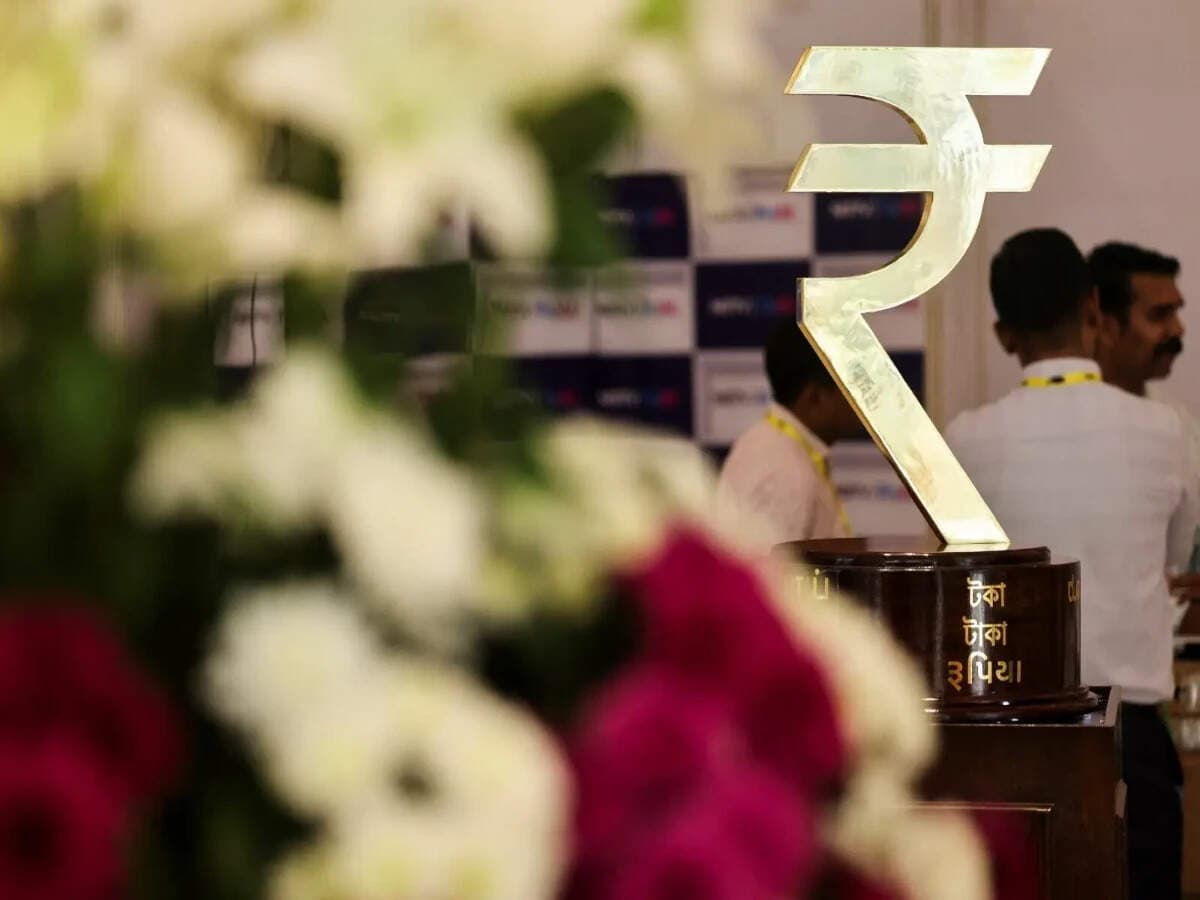
Strategic shifts in banking regulations and sovereign debt access are set to attract up to $75 billion, offering a buffer against global market volatility.
The Reserve Bank of India (RBI) has unveiled a comprehensive reform package that signals a decisive pivot in its currency strategy, moving away from defensive depreciation to a proactive push for capital inflows. By liberalizing investment routes and offering incentives for foreign participation, the central bank aims to shore up the rupee, with market analysts projecting a potential strengthening toward the 92-93 range against the dollar. The move comes as the Monetary Policy Committee (MPC) maintains a steady hand, opting to hold the repo rate at 5.25% in its recent meeting.
Navigating Economic Headwinds
While the RBI’s policy remains neutral, the decision to hold rates in August reflects a delicate balancing act. Policymakers are grappling with upward pressure on inflation, which has seen FY27 projections revised up by 50 basis points to 5.1%. Simultaneously, the central bank has trimmed its real GDP growth forecast for the same period by 30 basis points to 6.6%, citing a confluence of weak global demand, supply chain bottlenecks, and the lingering threat of El Nino. By maintaining the status quo, the MPC appears to be prioritizing stability over aggressive tightening, signaling to the markets that it will remain vigilant without stifling growth.
The Strategy Behind the Inflows
Financial heavyweights SBI and Kotak Securities view the new measures as a robust firewall for the external sector. SBI research estimates that the reforms could trigger at least $40 billion in capital flows, while Kotak’s assessment is even more optimistic, projecting an intake of $50-75 billion. A cornerstone of this strategy is the expansion of the Fully Accessible Route (FAR), which now includes long-tenor G-secs of 15, 30, and 40 years. By removing the 30% short-maturity limit and providing tax exemptions on interest and capital gains for foreign portfolio investors, the RBI is effectively clearing a path for India’s inclusion in global bond indices.
Incentivizing Foreign Capital
To further catalyze liquidity, the RBI has introduced specific incentives for non-resident investors and PSU entities. The central bank is bearing full hedging costs for fresh 3-5 year FCNR(B) deposits through September 2026, a move reminiscent of the successful 2013 mobilization efforts that brought in $34 billion. Banks are expected to offer returns exceeding 5.5%, providing a lucrative avenue for overseas capital. Furthermore, the liberalization of equity investment limits for NRIs and OCI cardholders aims to broaden the investor base, reducing the reliance on volatile short-term capital.
A Signal to Global Markets
The RBI’s language has shifted toward "inflation vigilance and external sector defense," effectively pushing back against speculative bets that the rupee is headed for the 100 mark. By addressing the fundamental disconnect between current market sentiment and the country's economic reality, the central bank is attempting to restore confidence in the rupee's trajectory. As government borrowing costs potentially dip due to the increased demand for long-end G-secs, these reforms are not merely about short-term currency gains; they represent a structural effort to integrate India’s debt markets more deeply with the global financial system.
The PoliticalPedia Editorial Desk brings verified, sourced political news and analysis from across India.