Textile Crisis: Karur Manufacturers Grapple With Abnormal Cotton Yarn Price Surge
Abnormal rise in price of cotton yarn hits the textile industry in Karur
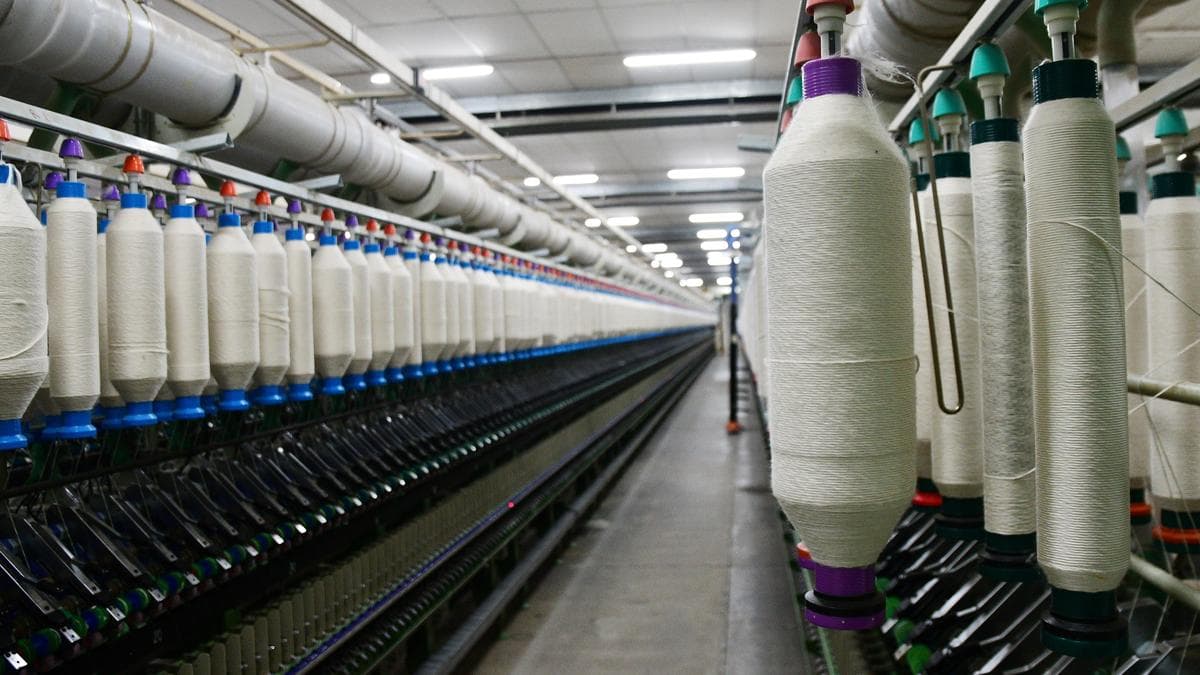
Surging raw material costs and global supply chain disruptions have triggered a crisis for textile manufacturers, forcing industry-wide protests and production halts.
The textile hub of Karur is currently facing a period of deep instability as an abnormal rise in the price of cotton yarn threatens the viability of local operations. Over the last six weeks, manufacturers have reported a sharp 30% to 40% increase in the cost of thicker yarn varieties, with prices jumping from ₹300 to ₹400 per kilogram. This volatility, compounded by an industry-wide struggle to secure essential raw materials, has prompted textile manufacturers to escalate their concerns to both State and Central authorities.
A Mismatch in Market Relief
While the Union government recently removed import duties on cotton to provide relief to the sector, the impact has been unevenly distributed. Industry representatives note that while garment manufacturers in Tiruppur have seen a modest 3% to 4% dip in yarn costs, these benefits have failed to reach the textile units in Karur. According to P. Gopalakrishnan, president of the Karur Textile Manufacturers and Exporters Association, the lack of price stabilization for thicker yarn is unprecedented, placing a severe financial strain on businesses that source their supplies from mills in Coimbatore, Dindigul, Virudhunagar, and Vellakoil.
Global Tensions and Operational Woes
The crisis extends beyond yarn. Geopolitical tensions in West Asia have caused massive disruptions in international shipping and global trade, leading to a steep increase in the cost of petroleum-based inputs. The industry is now struggling with inflated prices for chemicals used in dyeing, polyester, and essential packing materials like polythene. The compounding effect of these costs has become so critical that some segments, including Open-End (OE) mills, have been forced to cease production entirely due to the high cost of waste cotton, further destabilizing the supply chain.
Industry-Wide Pushback
The gravity of the situation has culminated in widespread industrial action, with textile stakeholders across the region observing a two-day strike to protest the unrelenting surge in cotton and yarn prices. Industry bodies, including the Southern India Mills Association and the Tamil Nadu Spinning Mills Association, are now actively lobbying for government intervention to restore market equilibrium. Exporters warn that if the current inflationary trend continues unchecked, it will inevitably lead to a decline in export growth and a significant loss of employment opportunities for the local workforce.
Why the Crisis Matters
For a sector that serves as a vital economic engine for Tamil Nadu, the ability to maintain competitive pricing is essential. The current bottleneck is not merely a matter of input costs but a systemic challenge to the regional manufacturing ecosystem. Without a sustainable pricing mechanism, Karur’s textile industry faces a precarious future, struggling to balance the rising cost of production against the demands of a volatile global market.
The PoliticalPedia Editorial Desk brings verified, sourced political news and analysis from across India.