RBI Holds Repo Rate at 5.25% as Central Bank Launches Strategic Push to Bolster Foreign Capital
Central bank turns piper to draw in foreign capital; leaves repo rate at 5.25, keeps stance neutral
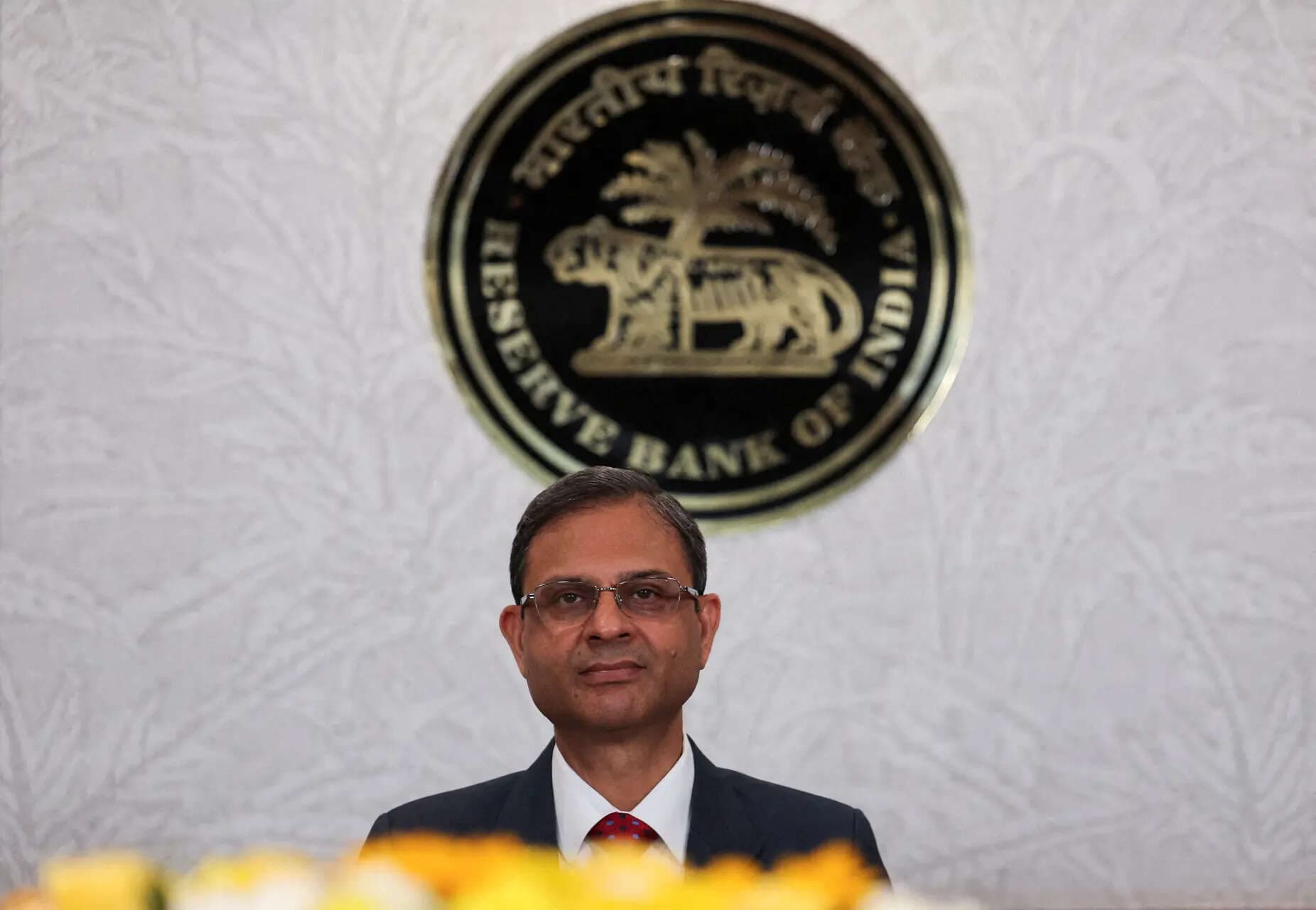
The monetary policy committee opted for stability amid global headwinds, prioritizing the defense of the rupee through new investment incentives and liquidity support.
The Reserve Bank of India (RBI) has opted to keep its benchmark repo rate unchanged at 5.25%, maintaining a neutral stance as the central bank navigates a complex intersection of stubborn inflation and geopolitical instability. In a coordinated effort with the government, Governor Sanjay Malhotra announced a suite of policy measures specifically designed to attract foreign capital, aiming to stabilize the rupee, which has faced significant downward pressure since the onset of the US-Iran conflict.
A Strategic Pivot Toward Inflows
While the policy rate remains steady, the central bank’s focus has shifted toward shoring up the country's external buffers. To encourage overseas investment, the RBI is expanding the range of government securities eligible for the Fully Accessible Route (FAR), including new 15-year, 30-year, and 40-year bonds. Furthermore, the government has introduced income tax exemptions for foreign portfolio investors on interest and capital gains from government securities, effective from April 1, 2026.
These initiatives are complemented by time-bound incentives for public sector units to raise external commercial borrowings (ECB), alongside a decision by the RBI to bear hedging costs on fresh three- to five-year FCNR(B) deposits. Market analysts suggest these combined efforts could catalyze between $35 billion and $45 billion in inflows, providing much-needed liquidity to the bond market and a potential floor for the domestic currency.
Balancing Growth and Inflation
The decision to hold the repo rate was underscored by a cautious outlook on the macroeconomic horizon. Governor Malhotra noted that the monetary policy committee (MPC) remains vigilant, as inflation projections have been revised upward to 5.1% from the previous 4.6%. Simultaneously, the growth forecast for FY27 has been moderated to 6.6%, a reduction from the earlier 6.9% projection. The RBI attributed these adjustments to the adverse implications of supply chain disruptions and the volatility in global energy prices caused by the ongoing crisis in West Asia.
Despite these challenges, the central bank emphasized that India’s macroeconomic fundamentals remain resilient. With foreign exchange reserves reaching record levels—providing import cover of over 11 months—the RBI appears confident in its ability to manage external financing requirements. Governor Malhotra stated that while inflation risks have amplified, the MPC deemed it prudent to observe incoming data before committing to further rate adjustments.
The Outlook for the Rupee
Market reactions to the policy announcement have been measured. Experts suggest that the structural measures to deepen the bond market and improve liquidity will likely aid in a controlled recovery for the rupee. As the central bank waits for greater clarity on the global energy front, the focus remains on ensuring that the benefits of lower hedging costs are passed down by banks to their customers. For now, the RBI’s "neutral" stance signals a wait-and-watch approach, balancing the urgent need for price stability with the necessity of supporting India's long-term economic growth trajectory.
The PoliticalPedia Editorial Desk brings verified, sourced political news and analysis from across India.