Qatar Restricts Airspace Hours After Iran Warns Of 'Painful' Retaliation Against Israel
Qatar Restricts Airspace Hours After Iran Warns Of 'Painful' Retaliation Against Israel
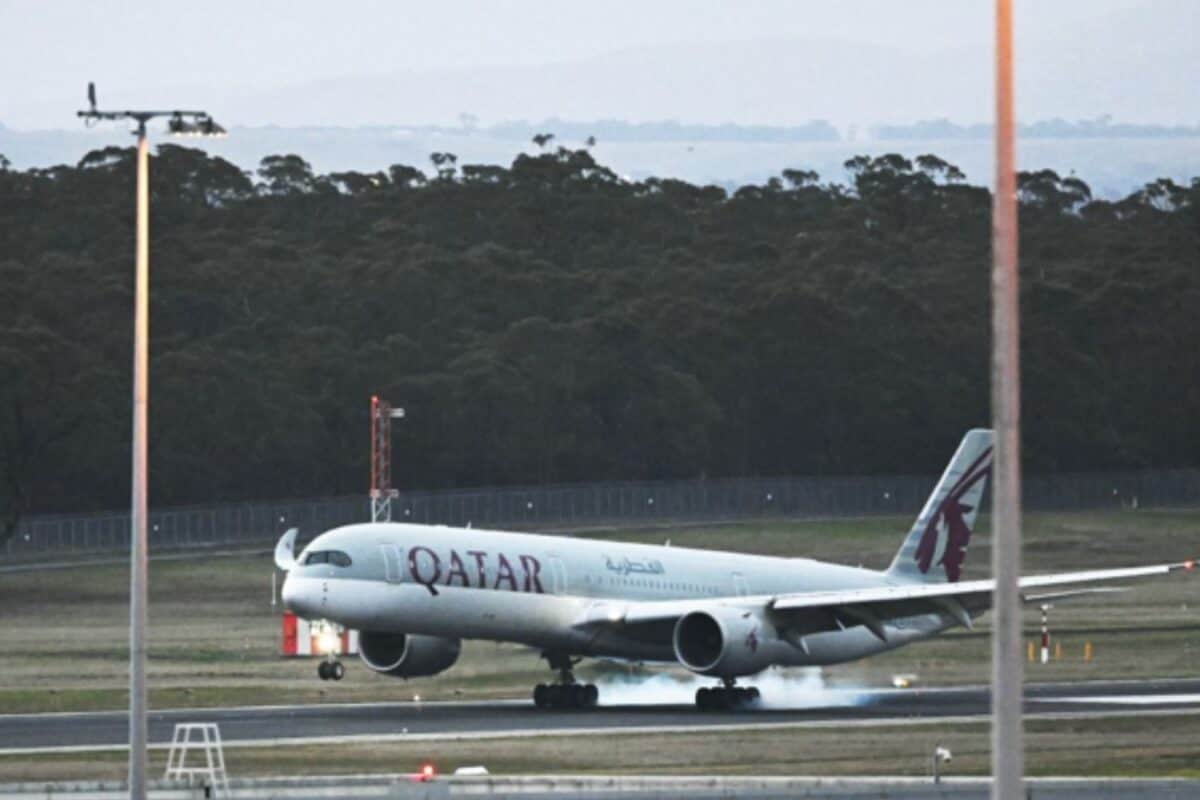
A scramble for safety in the skies as regional tensions boil over, with new flight corridors emerging amid the threat of a widening conflict.
The silence in the skies over the Persian Gulf is becoming heavy with the weight of looming conflict. As the diplomatic fallout from fresh strikes on Beirut continues to reverberate, Qatar has taken the significant step of issuing a Notice to Air Missions (NOTAM), mandating temporary alternate flight routes for aircraft departing from Doha and several Saudi Arabian airports. This airspace adjustment, effective from June 7 through June 14, signals a quiet but urgent preparation for potential escalation in the region.
The decision to limit and redirect air traffic follows a volatile Sunday that saw Israel strike two apartment buildings in the Dahieh district of Beirut. These attacks, which reportedly left two dead and 17 injured, mark the first time the Lebanese capital has been hit since a short-lived, US-brokered truce. For a region already reeling from over 3,500 deaths since the escalation began in March, these strikes have shattered the fragile sense of calm.
A "Painful" Promise
Tehran has reacted with immediate, high-decibel fury. Ebrahim Rezaei, spokesperson for the Iranian parliamentary National Security and Foreign Policy Committee, has explicitly threatened a “decisive and painful” response against Israel. This warning, coupled with similar rhetoric from Iran’s UN ambassador regarding the right to "self-defence," has effectively placed regional aviation authorities on high alert. With major carriers like KLM already pulling flights to Israel until late July, the aviation industry is clearly bracing for a protracted period of volatility.
The mood in the corridors of power is equally grim. Israeli Prime Minister Benjamin Netanyahu has defended the strikes as a necessary action against "terrorist headquarters," while voices in Iran, including parliamentary speaker Mohammad Bagher Ghalibaf, have accused Washington of providing the "green light" for the violence. The result is a cycle of accusation and counter-strike that leaves little room for de-escalation.
Why it matters: The bigger picture
For the Gulf states, the current situation is a strategic nightmare. Qatar’s move to restrict airspace isn't just a technical adjustment; it is a defensive reflex in a theatre where the line between regional skirmishes and a full-scale war is blurring. As Israel and Iran trade threats, the airspace above the Gulf—a vital artery for global travel—is being treated as a potential combat zone.
The pattern is clear: as long as the conflict in Lebanon remains untethered from a sustainable ceasefire, the risk of a wider regional spillover will keep climbing. The Gulf monarchies are now caught in a delicate balance, forced to manage the spillover of a conflict they are desperate to avoid. Whether this latest round of diplomatic and tactical posturing leads to a "painful" retaliation or a return to the negotiating table will depend on how much further the actors are willing to push the threshold of "self-defence."
World Desk at PoliticalPedia covers global affairs for an Indian audience in English and Hindi.