Punjab Politics: Why Sukhjinder Singh Randhawa’s Meeting with Amit Shah Has Set Alarm Bells Ringing
पंजाब की राजनीति में बड़ी हलचल: गृह मंत्री अमित शाह से मिले सांसद सुखजिंदर रंधावा, खुद बताया क्या बात हुई
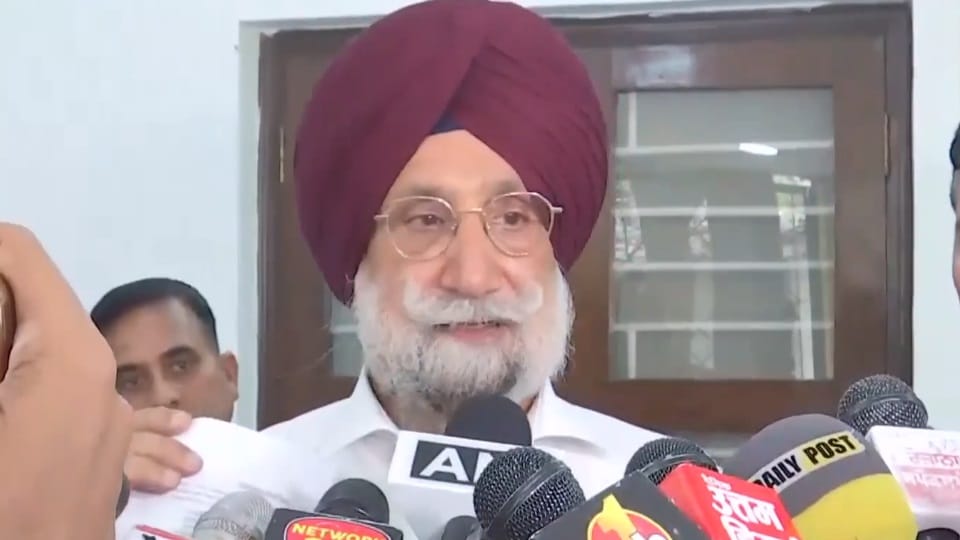
As internal rifts widen within the Punjab Congress, the senior leader’s outreach to the Union Home Minister signals a deeper crisis of confidence following recent organizational reshuffles.
The corridors of power in Delhi witnessed an unexpected move on Thursday as Congress MP and former Deputy Chief Minister Sukhjinder Singh Randhawa held a closed-door meeting with Union Home Minister Amit Shah. While formal channels described the encounter as a discussion on the state’s law and order situation, the timing of the visit has sent ripples through Punjab’s political landscape, which is already reeling from internal discord.
The Trigger: A Reshuffle Gone Wrong
The backdrop to this meeting is the Congress high command’s recent, controversial decision to retain Amarinder Singh Raja Warring as the Punjab Pradesh Congress Committee (PPCC) chief. By appointing three working presidents to assist him, the central leadership hoped to pacify warring factions. Instead, the move has backfired, leaving several senior leaders feeling sidelined and openly disgruntled.
Randhawa did not mince his words when speaking about the state of affairs within his party. He expressed deep dissatisfaction with the outcome of multiple high-level consultations, describing the current situation as "unfortunate and painful." For a veteran leader to publicly lament that these internal processes failed to yield satisfaction highlights a growing disconnect between the party’s grassroots veterans and its central decision-makers.
The Strategy Behind the Scene
Sources close to the development indicate that this high-profile meeting was facilitated by Rajya Sabha MP Tarun Chugh. The optics of a senior Congress leader meeting the BJP’s top strategist for national security are bound to trigger speculation. In a state where the political equilibrium is increasingly fragile, such cross-party optics are rarely seen as mere administrative courtesy.
Why It Matters
This development is more than just a case of "sour grapes" among senior leaders. It marks a critical juncture for the Punjab Congress as it gears up for the looming assembly elections. When senior figures like Randhawa begin to look beyond their own party’s leadership for redressal—or even for a platform to air grievances regarding state governance—it signals a potential exodus or a total breakdown of party discipline.
The high command now faces a stark choice: address the grievances of the old guard or risk a fractured campaign. If the party cannot manage its own house, the BJP and other regional players are likely to exploit these cracks to gain a decisive advantage in the coming electoral cycle.
Arjun Mehta reports on government, policy and Parliament for PoliticalPedia, in English and Hindi.