Bengaluru Introduces New Water Rules: The City’s Race Against a Dry Tap
Bengaluru Introduces New Water Rules, Warns Of 50% Supply Cut | What We Know
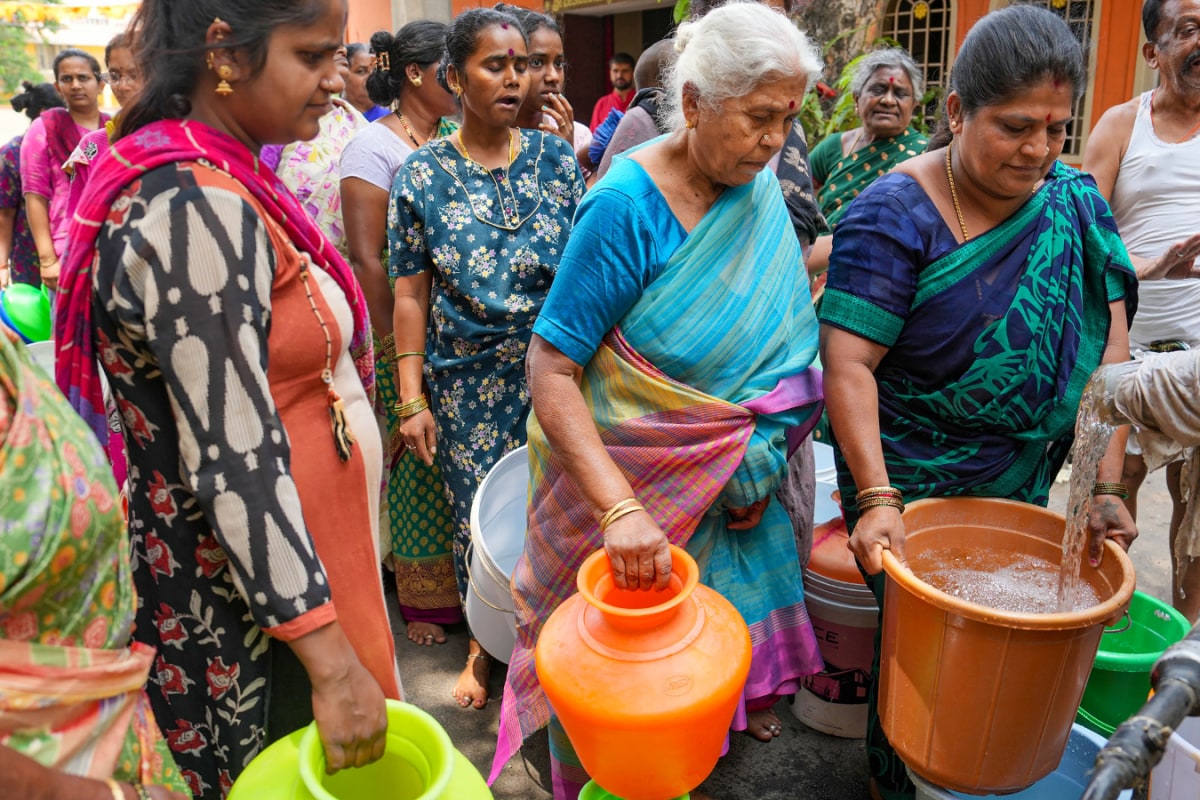
As erratic monsoons and El Niño concerns hit home, the BWSSB has mandated flow restrictors and banned the use of potable water for non-essential tasks to avert a severe supply cut.
The sight of a tanker is becoming as common as the morning newspaper in Bengaluru, but the city’s water woes have now moved from a nuisance to a policy emergency. With the threat of a 50% supply cut looming for violators, the Bengaluru Water Supply and Sewerage Board (BWSSB) has officially rolled out stringent new rules to safeguard the city’s drinking water. The message from Chairperson Dr. Manjula is clear: the era of unchecked consumption is over, and every drop counts as the city grapples with the fallout of unpredictable rainfall.
The Crackdown on Non-Essential Usage
Under the new directives, the use of drinking water for a wide range of non-potable activities is now strictly prohibited. This includes washing vehicles, watering gardens, cleaning roads, and filling both public and private swimming pools. Even the festive tradition of rain dances has been effectively sidelined by these orders. The BWSSB is making it clear that if you need water for these purposes, it must be treated, recycled water—not the precious supply meant for human consumption.
Mandatory Aerators and Fines
The board has also mandated the installation of flow restrictors, or aerators, across all residential buildings, apartments, commercial hubs, and government offices. According to the BWSSB, these simple devices can cut water consumption by 30% to 50% without compromising on the user’s convenience. Compliance isn't optional; failing to adhere to these rules will trigger a penalty of Rs 5,000, with an additional fine of Rs 500 for every day the violation continues. In the most severe cases of non-compliance, the board holds the power to reduce water supply by up to 50% under the Bengaluru Water Supply and Sewerage Act, 1964.
The Bigger Picture
These measures aren't just knee-jerk reactions; they are rooted in recommendations from the Indian Institute of Science (IISc). However, the policy shift highlights a deeper structural struggle. While the government pushes for conservation, many apartments are still wrestling with the practicalities of internal metering and sewage treatment requirements. The city is essentially trying to retro-fit a sustainable model onto a rapidly expanding urban sprawl that was never built with water scarcity as a primary design constraint.
Why it Matters
The pattern here is unmistakable: Bengaluru is shifting from a growth-at-any-cost model to one of resource-restricted urban management. As the BWSSB clamps down on illegal connections—particularly those involving PGs and commercial entities—the administrative burden on apartment complexes and citizens is growing. If the city cannot manage its demand through these conservation rules, the reality of a 50% supply cut will move from a warning on paper to a daily, parched reality for millions. The success of this policy now hinges on whether enforcement can match the urgency of the crisis.
Priya Nair covers parties, elections and the business of power for PoliticalPedia.