Beyond the Syllabus: How Controversial Texts Sparked a Crackdown in Jammu and Kashmir
Publisher Whose Book Called Terrorists "Great Personalities" Raided In J&K
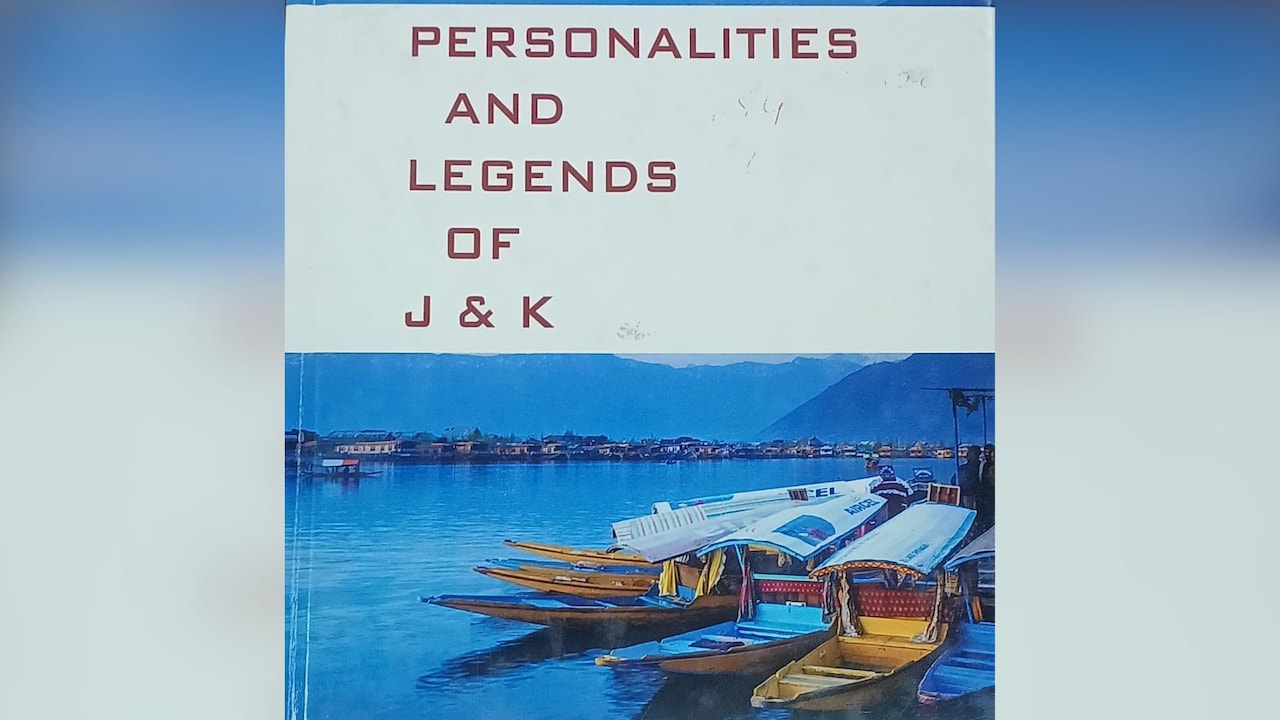
Police raids and administrative suspensions follow the discovery of school library books that glorified separatists and distorted regional history.
The sanctity of the classroom in Jammu and Kashmir has been thrust into the national spotlight following the discovery of school library books that allegedly glorified terrorists as "great personalities." The controversy erupted when it was found that texts, specifically Personalities and Legends of J&K and Great Personalities of Jammu and Kashmir, were circulating in institutions across districts including Jammu, Ramban, Udhampur, and Baramulla. These books, according to officials, did more than just mischaracterize historical figures; they reportedly referred to the region as "India-occupied Kashmir" and painted figures like 26/11 mastermind Hafiz Saeed in a positive light.
The response from the administration was swift. Jammu and Kashmir Lieutenant Governor Manoj Sinha ordered the immediate suspension of eight officials from the School Education Department and removed a contractual staff member, citing the presence of "highly inappropriate content." By Friday, the books had been withdrawn from circulation, but the administrative fallout is only the beginning of a broader investigation into how such material entered the state-sanctioned library system.
Raids and Accountability
The counter-intelligence wing of the J&K Police has now escalated the matter, filing an FIR that invokes not only sections of the BNS but also the stringent Unlawful Activities (Prevention) Act (UAPA). Following the filing, police teams raided the premises of the publishers—Oberoi Book Service in Jammu and Delhi-based Anurag Prakashan—seizing both physical documents and digital evidence. While no arrests have been made as of now, the seizure of records suggests a deepening probe into the supply chain that allowed these books to reach students.
Political voices across the spectrum have expressed alarm. Leader of the Opposition in the assembly, Sunil Sharma, did not mince words, calling for accountability that extends to the highest levels of the education ministry. The presence of these books in government-supported libraries has raised uncomfortable questions about the oversight mechanisms meant to vet educational content before it reaches impressionable minds.
Why it matters: A pattern of influence
This incident serves as a stark reminder of the "soft power" battleground that exists within the education sector of conflict-sensitive zones. When textbooks—the primary tools for shaping national identity and historical understanding—are subverted, the implications are far-reaching. The attempt to mainstream a narrative that challenges the sovereignty of the state is not merely a publishing error; it is a strategic effort to influence the youth. The ongoing investigation will likely focus on whether these books were part of a coordinated, deliberate agenda to push separatist ideologies under the guise of academic reference material. For the administration, the challenge lies in purging these narratives while ensuring that the oversight process doesn't become a bottleneck for legitimate academic freedom.
Ananya Iyer covers global affairs with an Indian lens for PoliticalPedia.