New Industrial Blueprint: Government Bets Big on 'Plug-and-Play' Parks to Drive Growth
BHAVYA scheme to help attract huge investments, create jobs: Piyush Goyal
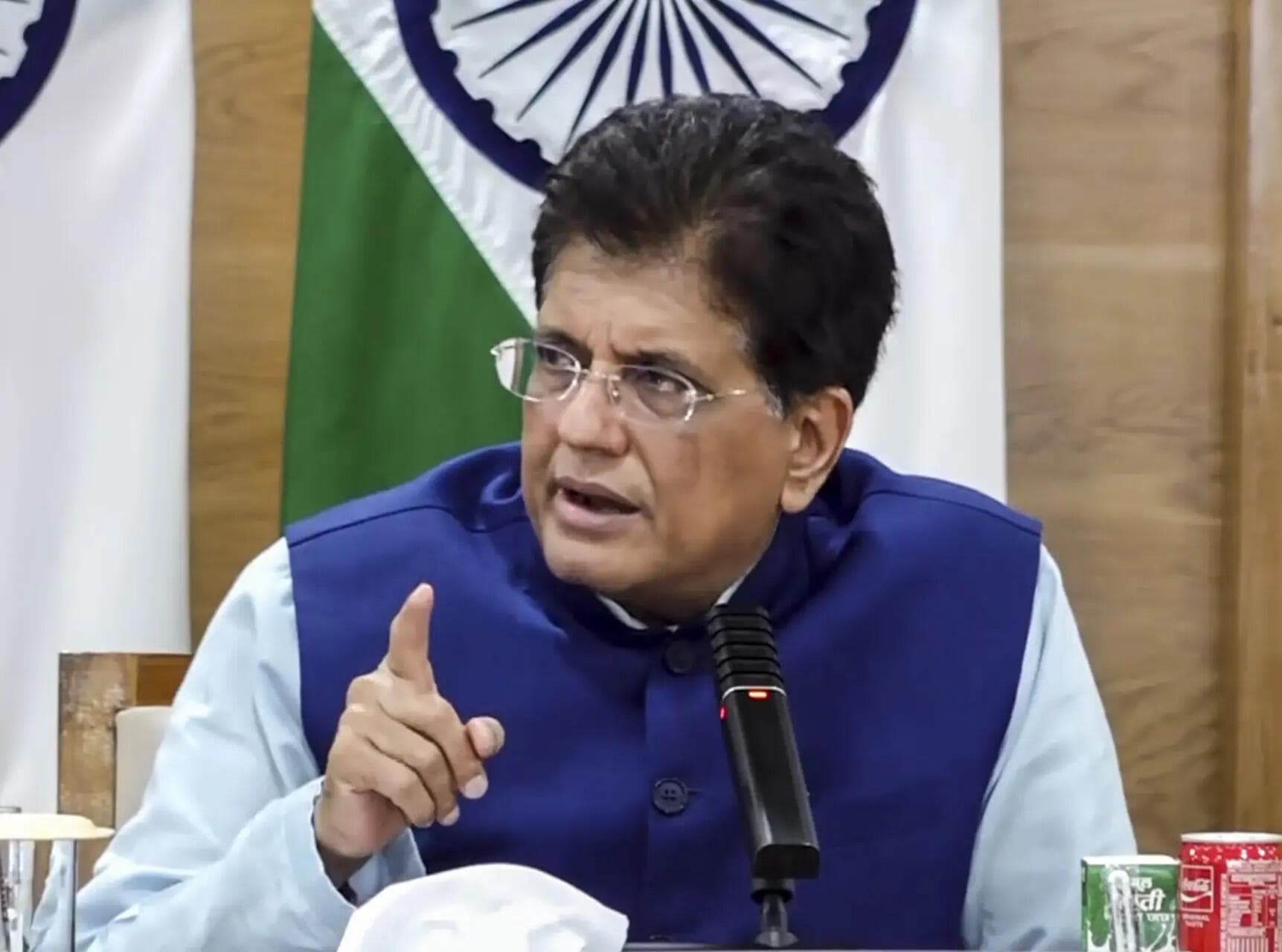
With a ₹33,660 crore outlay, the Centre is rolling out 100 new industrial parks designed to slash lead times for investors and accelerate India’s manufacturing ambitions.
The Union Cabinet has officially set the wheels in motion for a massive overhaul of India’s industrial landscape. By earmarking ₹33,660 crore for the development of 100 industrial parks, the government aims to move beyond basic land allocation, focusing instead on a "plug-and-play" model. The goal is simple: eliminate the friction that often stalls large-scale manufacturing projects.
Piyush Goyal, while launching the dedicated portal for the scheme, framed the project as a critical "change agent" for the country. The strategy hinges on a competitive federalist approach where states submit detailed project proposals. Success in this bid isn't just about land availability; states must demonstrate investor appetite, clear sectoral potential, and a readiness to partner with the National Industrial Corridor Development Corporation (NICDC) under a 51:49 equity structure.
Building for the Future
The infrastructure on offer is set to be comprehensive. Unlike traditional industrial estates that often lack connectivity or testing facilities, these parks will integrate modern social infrastructure and advanced testing labs in partnership with bodies like the BIS, FSSAI, and the Export Inspection Agency. Goyal noted that the government is already scouting sectors that fit specific regional strengths—ranging from deep-tech and data centres to chemical manufacturing and innovation-led enterprises.
Perhaps most intriguing is the plan to court global capital. The government is exploring the creation of dedicated international enclaves tailored for expatriate professionals, with potential partnerships being discussed with countries like Japan, Singapore, Switzerland, and the Republic of Korea. The aim is to create a "familiar environment" that makes it easier for global firms to hit the ground running.
Why it matters
The broader strategy here is to de-risk the investment process. Historically, industrial growth in India has been hampered by delayed approvals and fragmented infrastructure. By centralising the planning and providing pre-cleared, "plug-and-play" sites, the government is signalling a shift towards speed and scale. If successful, this will likely reduce capital expenditure for private players, making India a more attractive destination in the competitive global supply chain. However, the real test will lie in the execution at the state level, where land acquisition and local policy enforcement remain the primary hurdles.
The portal is now live, and the government is already reporting robust interest from industry players. As states begin to compete for their share of the 100-park quota, the coming months will reveal which industrial corridors are best positioned to leverage this massive infusion of capital and state-centre synergy.
Business Desk at PoliticalPedia covers economy & markets for an Indian audience in English and Hindi.