India’s exports show resilience with 15 per cent rise in April-May
Exports rise 15 per cent during April-May, government official says
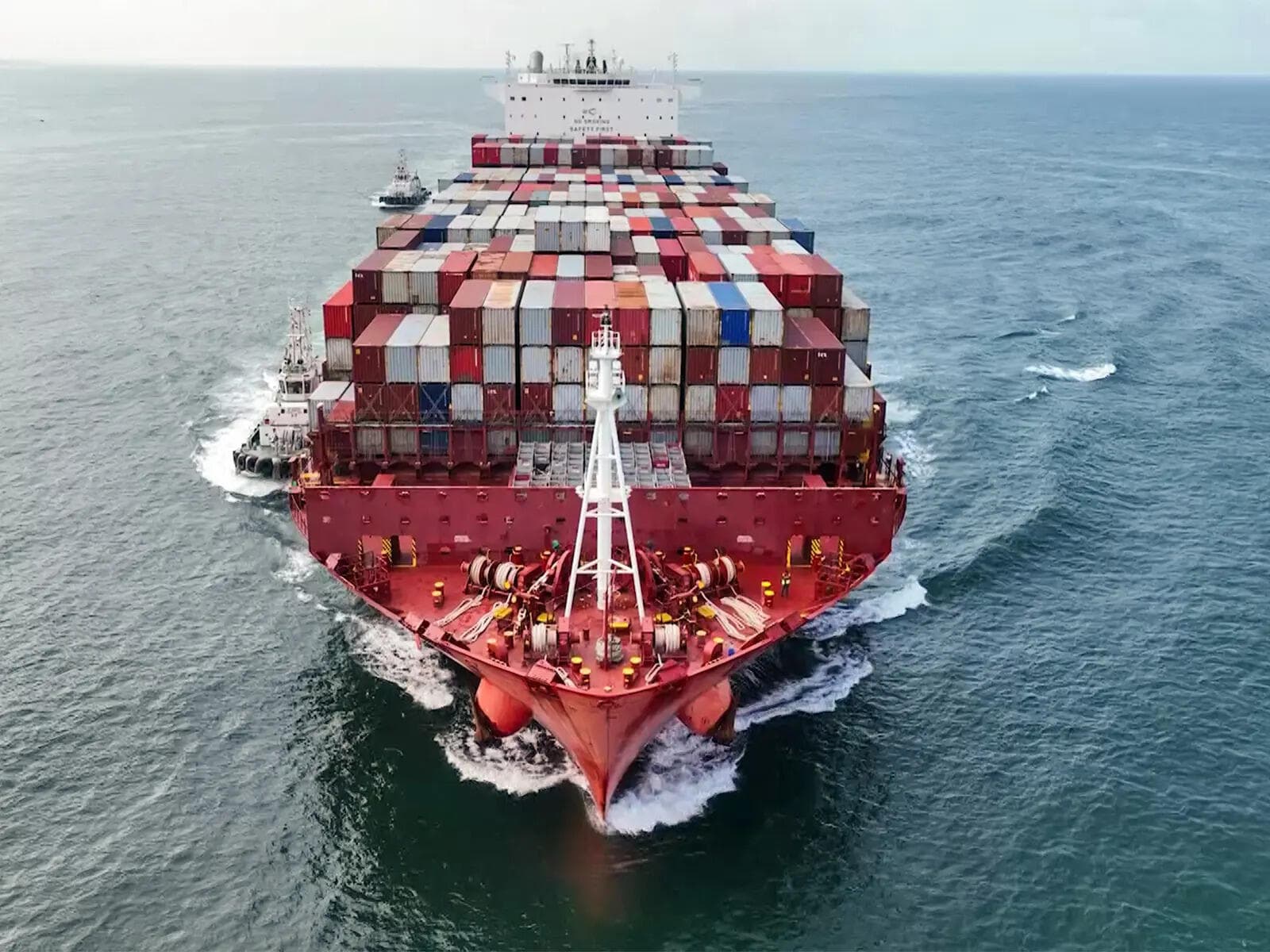
Despite global economic headwinds, the country’s outbound shipments have maintained a steady double-digit growth trajectory.
The hum of activity at India’s major ports tells a story of unexpected grit. While global markets remain jittery, data trickling out from the Commerce Ministry suggests that the country’s trade engine is firing on all cylinders. During the April-May period, the nation recorded a 15 per cent growth in exports, a figure that has surprised many analysts who were bracing for a sluggish start to the financial year.
The momentum was particularly visible in April, which saw shipments touch a four-year high of USD 43.56 billion. A significant chunk of this performance is tied to the petroleum sector, where a surge in crude oil prices has played a pivotal role in boosting the total value of outbound shipments. Government officials are optimistic, pointing to these numbers as evidence of a robust industrial base that refuses to buckle under international volatility.
The Import Pressure
However, it isn’t all smooth sailing. While the rise in exports is a win, the trade deficit has simultaneously ballooned to a three-month high of USD 28.38 billion. This widening gap is largely the result of an uptick in imports, reminding us that India’s economic health is a delicate balance of what we sell versus what we consume. The ministry is expected to release the full, granular data for May on June 15, which will likely offer more clarity on whether this surge is broad-based or reliant on a few high-value sectors.
The Bigger Picture
Why does this matter? For a domestic economy, these numbers are a bellwether for manufacturing confidence. If India can sustain this 15 per cent growth despite global uncertainties, it suggests that local producers are successfully finding new markets and diversifying their output. We are seeing a shift where traditional exports are being complemented by high-demand items, and even niche sectors like agriculture—think jaggery or EU-approved honey and aquaculture—are slowly becoming significant contributors to the national balance sheet.
The path ahead remains complicated. International tariffs and shifting geopolitical alliances mean that exporters cannot afford to rest on their laurels. Yet, for now, the data from April and May indicates that the "Make in India" narrative is finding its footing in the global marketplace, even when the macroeconomic winds are blowing in the opposite direction.
Features Desk at PoliticalPedia covers culture, tech & life for an Indian audience in English and Hindi.