Hungary’s Political Overhaul: Lawmakers Vote to Slash Their Own Salaries by 40%
Charity begins at home: Hungary lawmakers vote unanimously to cut own salaries by 40%
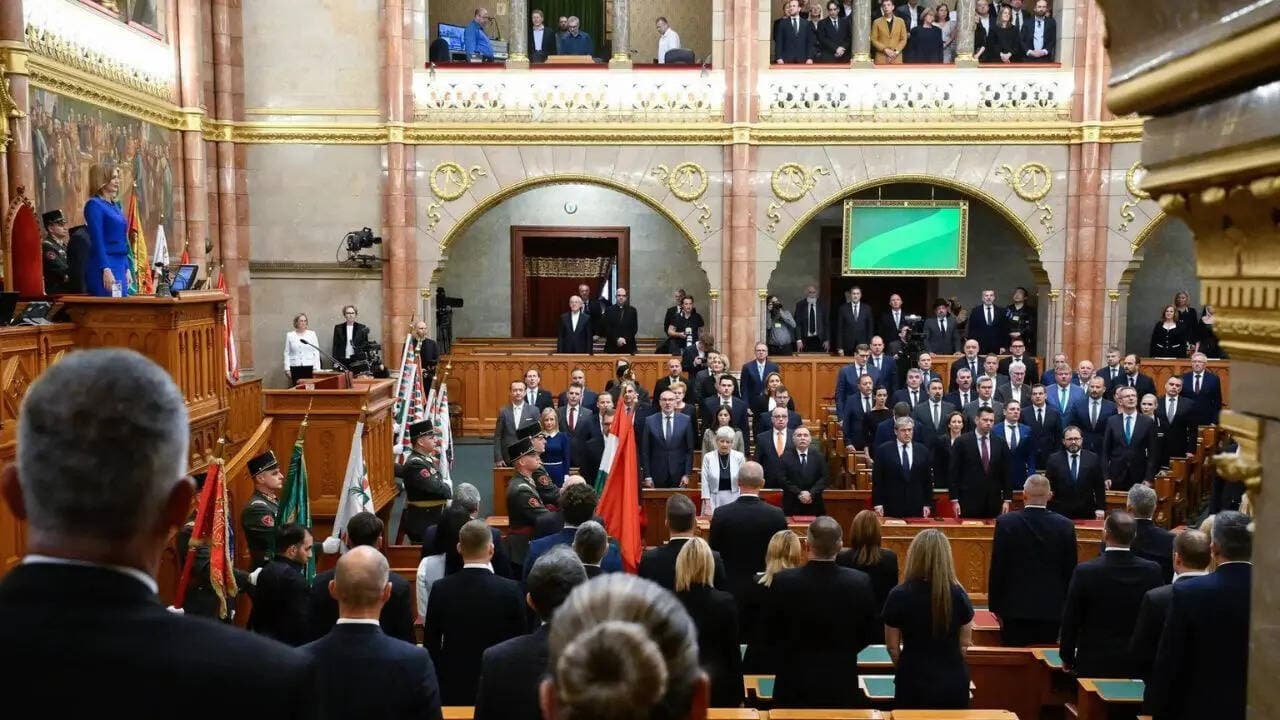
In a rare display of legislative austerity, the Hungarian parliament has unanimously approved deep pay cuts to help balance a strained national budget.
Budapest’s halls of power are usually defined by partisan friction, but on Monday, the mood was uncharacteristically unified. All 189 lawmakers present in the 199-member National Assembly voted to slice their own monthly base salaries by 40%. The move, steered by Prime Minister Péter Magyar and his ruling Tisza party, is part of a broader, aggressive push to restore fiscal discipline after inheriting a daunting budget deficit from the previous administration.
Starting next month, the base monthly salary for an MP will drop to roughly 3,690 euros before taxes. While still significantly higher than the average national wage, the reduction marks a sharp retreat from the levels seen under the 16-year tenure of former prime minister Viktor Orbán. Critics have long alleged that the previous government used high parliamentary pay as a tool to keep opposition members in check, effectively buying compliance through financial perks.
Beyond the base pay
The austerity measures extend well beyond the basic income of a parliamentarian. The bill forces a belt-tightening regime on the prime minister, the parliamentary speaker, and committee members. Beyond salary reductions, the government is pruning the "extras" that have defined political life in Hungary for years. Mobile phone reimbursements are being scrapped entirely, while allowances for office rent, staffing, and housing are facing significant downward revisions.
Magyar, who swept to power in April on a platform of anti-corruption and institutional reform, has framed the move as a matter of "self-restraint and humility." The economic stakes are high: with the deficit for the first five months of the year hitting over 90% of the government’s full-year target, the administration is desperate to signal fiscal responsibility. By cutting these costs, the government estimates savings equivalent to an entire year of parliamentary operating expenses over the current four-year term.
Why it matters
This is more than just a domestic budget exercise; it is a strategic maneuver to regain international credibility. Magyar’s government is currently under intense pressure to unlock billions of euros in European Union funding that had been frozen over long-standing rule-of-law and corruption concerns. By taking the lead on austerity, the new government is attempting to signal a clean break from the past, hoping that a more transparent and humble political class will pave the way for a thaw in relations with Brussels.
However, the path forward remains fraught. The administration is still grappling with the fallout of a massive budget deficit and the legal complexities surrounding the country’s anti-graft institutions. While the unanimous vote shows temporary political alignment, the true test will be whether these cuts can effectively curb the systemic corruption that has haunted the Hungarian economy for over a decade. For now, the message from Budapest is clear: if the state is to be reformed, the politicians believe the sacrifice must start at the top.
Business Desk at PoliticalPedia covers economy & markets for an Indian audience in English and Hindi.