India’s export engine hums at 15% growth despite global headwinds
Exports rise 15 per cent during April-May, government official says
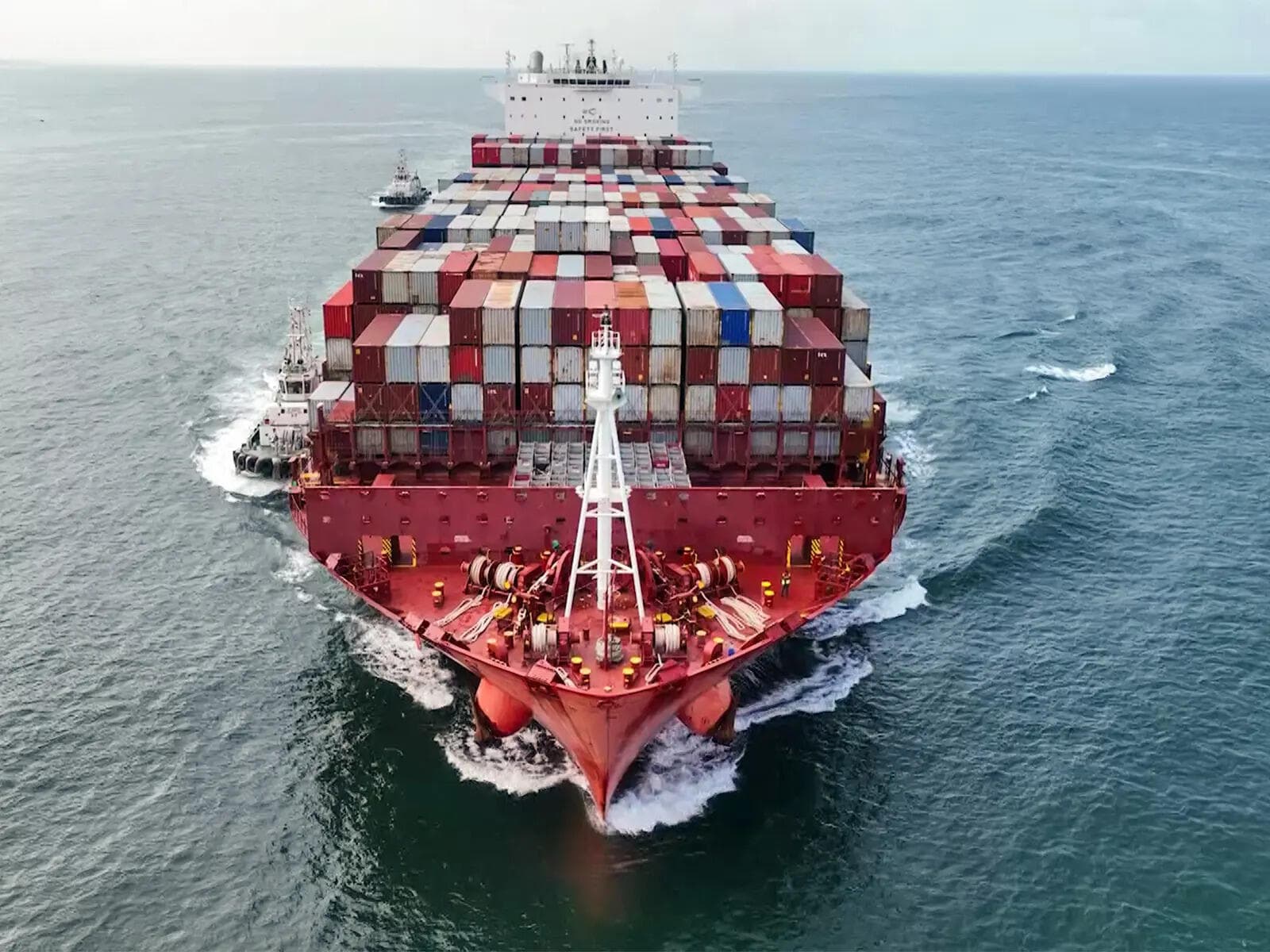
As trade routes face turbulence and global demand remains fragile, Indian merchandise shipments have clocked a steady double-digit rise in the first two months of the fiscal year.
The numbers coming out of the Commerce Ministry offer a rare bright spot in a stormy global economy. According to a senior government official, India’s merchandise exports have posted a robust 15 per cent growth during April-May 2026-27. This performance is particularly striking given the lingering economic uncertainties that have stalled trade volumes in several other major markets.
The momentum began in April, which saw outbound shipments hit USD 43.56 billion—the highest monthly figure in over four years. While a surge in crude oil prices provided a significant tailwind, boosting the value of petroleum product shipments, the broader trade picture is more complex. The same uptick in global commodity costs, coupled with a rise in domestic demand for imported goods, pushed the trade deficit to a three-month high of USD 28.38 billion.
Why it matters
The 15 per cent growth figure is more than just a headline; it signals resilience in an era where maritime bottlenecks, such as the disruptions in the Strait of Hormuz, are threatening to choke supply chains. While petroleum products have been the primary engine, the fact that trade is expanding despite geopolitical friction suggests that India’s diversified export strategy is beginning to pay dividends.
The government is clearly betting on a long-term shift. Beyond the immediate monthly data, there is a massive push to institutionalize this growth. The Commerce Ministry is reportedly preparing to hire 1,000 personnel—individuals with linguistic diversity—to act as ground-level evangelists for India’s growing network of Free Trade Agreements. With pacts already implemented with the UAE, Australia, and the EFTA bloc, and negotiations underway with heavyweights like the UK and the GCC, the target is ambitious: USD 1 trillion in exports annually by the end of this financial year, with an eye on doubling that within five years.
The bigger picture
The strategy here is clear: move away from reliance on a few traditional markets and weave India into the fabric of global supply chains through a web of preferential trade pacts. Minister Piyush Goyal has noted that India has finalized nine such agreements in the last three and a half years, covering nearly two-thirds of global trade.
However, the real test lies in whether this growth can be sustained if global demand softens further. While the headline growth in April and May is encouraging, the widening trade deficit serves as a reminder that India’s import bill—heavily influenced by energy costs—remains a vulnerability. As the Commerce Ministry gears up to release the comprehensive May trade data on June 15, the focus will shift from the sheer volume of shipments to the composition of that growth. If the momentum in non-petroleum sectors remains steady, it will confirm that India’s manufacturing and service sectors are successfully navigating an increasingly fragmented global trade environment.
Features Desk at PoliticalPedia covers culture, tech & life for an Indian audience in English and Hindi.