New Delhi issues urgent 'exit' advisory as Middle East tensions spiral
'Exit the country': India issues advisory as Israel-Iran strikes reignite fears of wider conflict
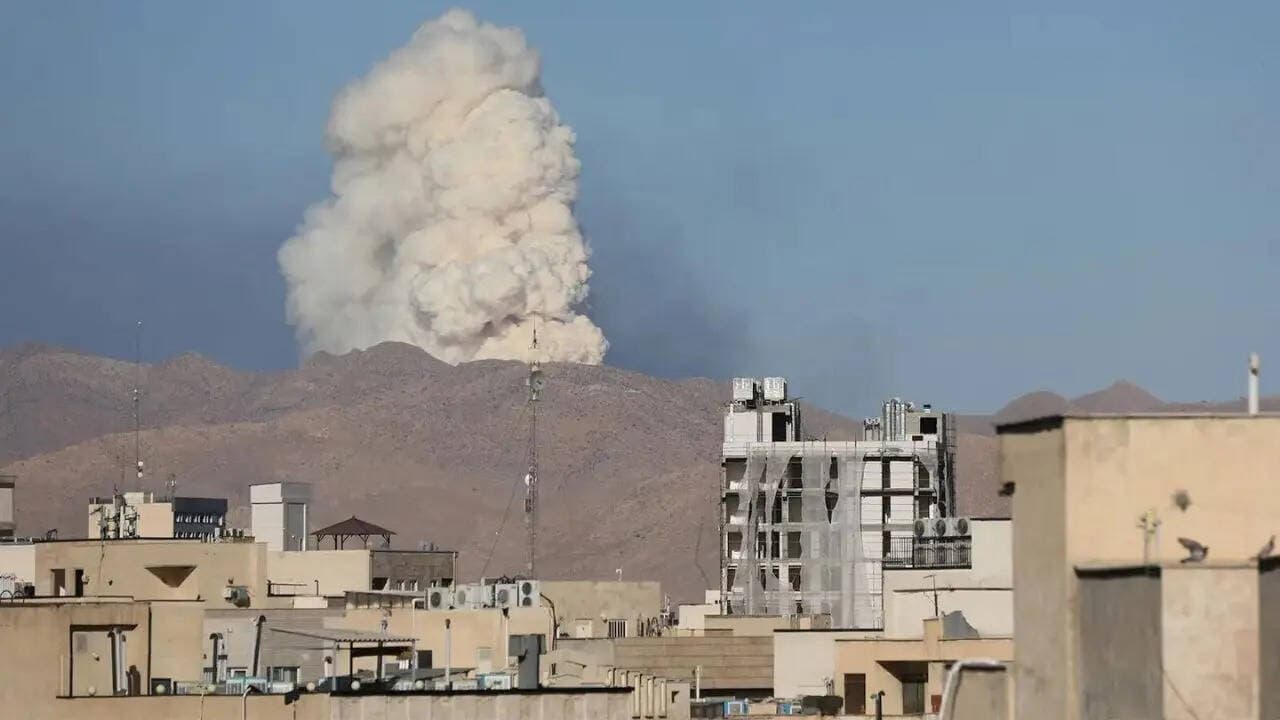
Indian nationals are being urged to leave Iran immediately as missile exchanges and airstrikes signal a dangerous new phase in the Israel-Iran conflict.
The situation in West Asia has shifted from simmering tension to open confrontation, prompting the Indian Embassy in Tehran to issue an urgent advisory on Monday. With military hostilities escalating between Israel and Iran over the past 24 hours, New Delhi has clearly signaled that the safety of its citizens is the immediate priority, telling all Indian nationals currently in the country to exit the territory using any available transport.
The advisory marks a departure from standard travel warnings, reflecting the gravity of a conflict that has now hit its 100th day. The cycle of violence intensified sharply following Israeli airstrikes on Beirut’s southern suburbs over the weekend, which triggered a direct and rapid retaliation from Iran. The Revolutionary Guard has claimed responsibility for targeting two Israeli military bases, while reports indicate that an Iranian petrochemical facility was struck in the counter-maneuvers.
A wider regional contagion
The volatility is not contained to direct strikes between the two powers. The Red Sea, a critical artery for global trade, remains under threat as Iran-backed Houthi forces continue to enforce a ban on Israeli shipping. This development, coupled with the renewed exchange of fire, has placed a fragile ceasefire under immense strain and effectively stalled the diplomatic momentum that international mediators had been desperately trying to build since late February.
The timing is particularly fraught for US President Donald Trump, who has been publicly advocating for restraint. Reports suggest that even as Trump urged Prime Minister Benjamin Netanyahu to avoid a full-scale retaliation to Iranian missile attacks, the situation on the ground continued to slide toward a broader confrontation. These military developments are now threatening to spill over into nuclear negotiations, with analysts warning that the window for any meaningful political settlement is closing rapidly.
Why it matters
For India, the stakes are both diplomatic and strategic. The escalation threatens the stability of a region that hosts millions of Indian workers and serves as a vital energy corridor. Beyond the immediate consular challenge of evacuating nationals, the conflict risks derailing critical maritime trade routes and inflating energy costs. The pattern here is clear: as long as the cycle of airstrikes and retaliatory missile volleys continues, the influence of external diplomatic pressure—including from Washington—remains minimal. New Delhi’s decision to issue this advisory is a pragmatic acknowledgment that the window for localized conflict has closed, and the risk of a wider regional war is now at its peak.
National Affairs Desk at PoliticalPedia covers government & policy for an Indian audience in English and Hindi.