PM Keir Starmer Readies Under-16s Social Media Ban to Combat Online Harm
U.K. PM Keir Starmer set to ban ‘harmful’ social media for under-16s
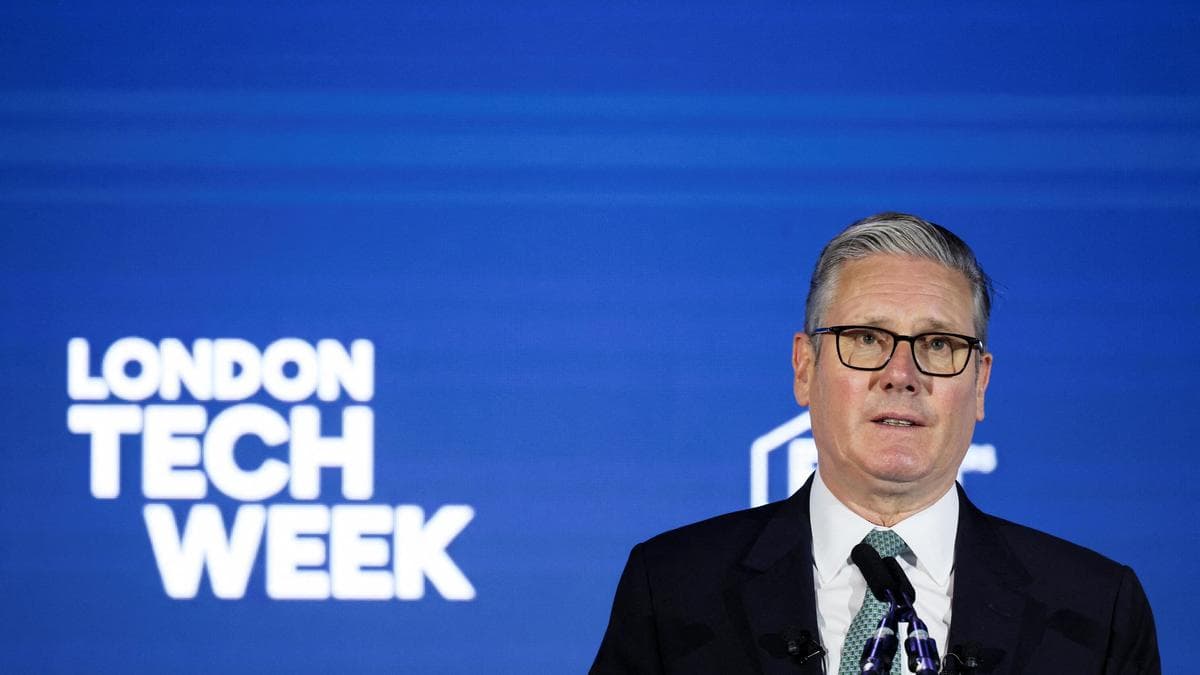
The British government is set to unveil stringent restrictions on youth access to digital platforms, marking a major shift in how the U.K. regulates tech giants.
After months of mounting pressure and emotional appeals from bereaved parents, Prime Minister Keir Starmer is preparing to announce a significant crackdown on social media access for children under 16. Sources in Downing Street suggest the move, which has been under heavy consideration following a recent national consultation, aims to curb the exposure of young users to addictive design features and harmful content. While the formal legislation is unlikely to drop this week, the government is signalling a departure from the status quo, with Starmer expected to articulate a vision where technology is forced to serve, rather than exploit, the younger generation.
A Global Shift in Digital Oversight
The U.K. government is looking closely at international precedents, particularly the blanket ban enacted by Australia last December. Other nations, including France, Poland, and Denmark, are similarly tightening the screws on tech firms, while Greece has already confirmed a move to restrict access for those under 15 by early 2027. In London, the move has garnered support from Mayor Sadiq Khan, who has challenged tech companies to prove their services are inherently safe for minors or face the prospect of being locked out of the market entirely.
Balancing Safety and Access
The proposed policy is not expected to be a blunt, blanket instrument. Reports indicate that the government intends to distinguish between "high-risk" platforms and those deemed safer, potentially sparing educational tools or specific apps like YouTube Kids from the cull. Ministers are currently grappling with the logistical challenge of age verification, a hurdle that has left some experts divided on the total effectiveness of such a ban. Despite skepticism from some youth groups, the administration remains firm. A Downing Street source noted, "The Prime Minister is not afraid about taking on the tech companies and their bosses to protect young people."
The Bigger Picture: Why it Matters
This push represents more than just a regulatory update; it signifies a fundamental shift in the "duty of care" expected from global tech corporations. By mirroring the tactics used against the tobacco industry—treating addictive digital design as a public health hazard—the U.K. is positioning itself at the vanguard of a broader movement to reassert state authority over the digital landscape. If successful, the move could force platforms to fundamentally re-engineer their algorithms, shifting the burden of safety from the parent to the provider. For the Starmer administration, the timing is critical; these measures are being framed as a defining "legacy" move, coming ahead of the Makerfield by-election, and directly addressing the "asleep at the wheel" criticisms levelled by former ministers.
The Path Ahead
While the Prime Minister prepares to address the nation, the debate continues to intensify. Children’s Commissioner Dame Rachel de Souza has publicly pushed for the age limit to be extended to 18, arguing that teenagers should not be left with "lesser protection." Meanwhile, the government is also expected to prioritise immediate efforts to tackle the rising crisis of online sexualised imagery and sextortion. As the clock ticks toward the upcoming announcement, the administration must now reconcile its promises to grieving families with the technical and civil liberty realities of enforcing a digital border.
National Affairs Desk at PoliticalPedia covers government & policy for an Indian audience in English and Hindi.