From Hormuz to the ‘Gate of Tears’: Why Iran’s threat to block the Bab al-Mandab could cripple global trade
Iran threatens to block Bab al-Mandab; here’s why it matters to global trade
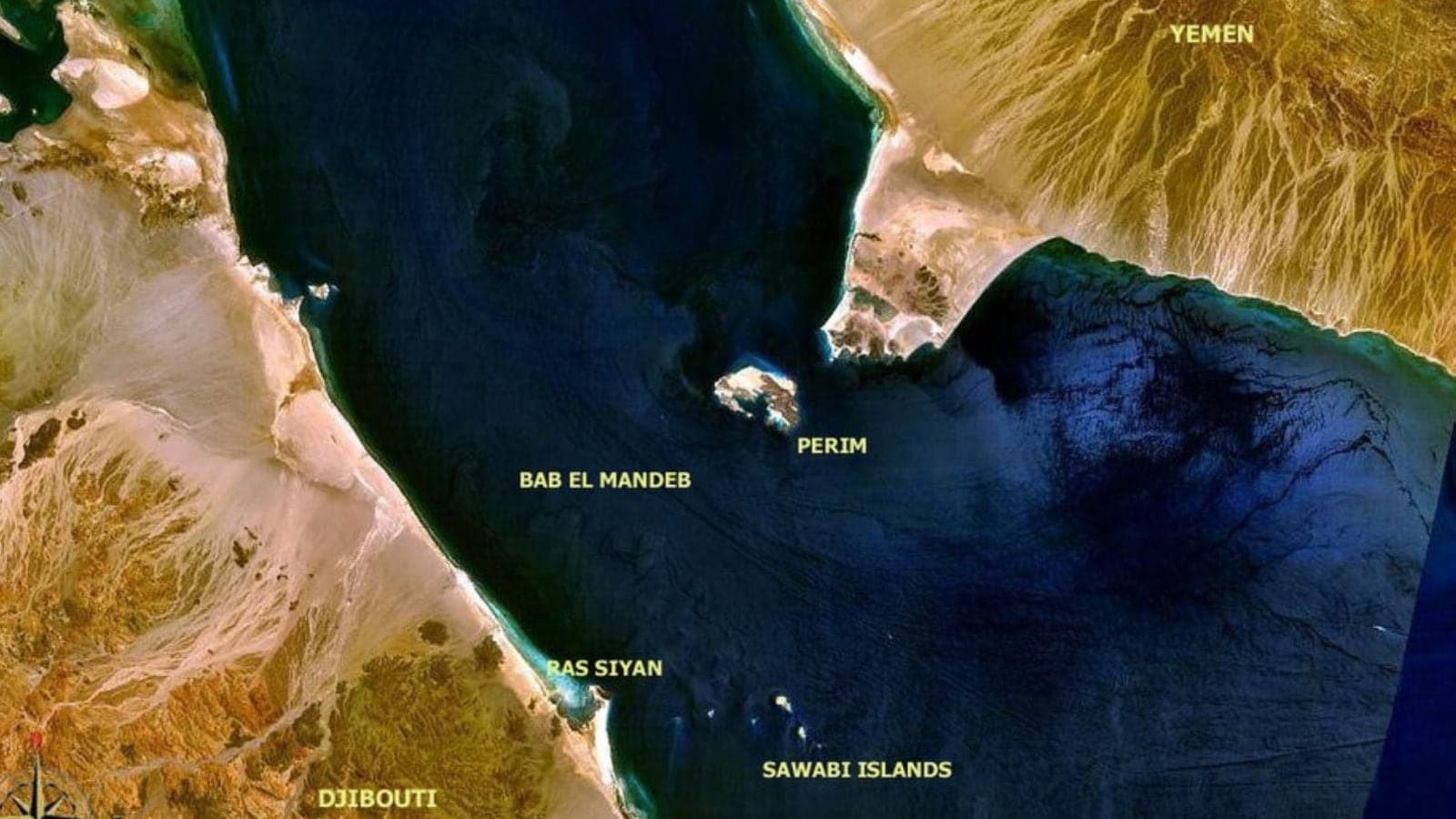
Tehran is signaling that its ‘resistance axis’ now has the reach to choke off two of the world’s most vital maritime chokepoints simultaneously.
The narrow 29-kilometre stretch of water separating Yemen from the Horn of Africa is known as the Bab al-Mandab, or the "Gate of Tears." For global shipping, it is the essential valve connecting the Red Sea to the Gulf of Aden and the Suez Canal. Now, that valve is under direct threat. Ali Akbar Velayati, a senior adviser to Iran’s leadership, has warned that the "resistance axis"—the network of Tehran-backed proxies across the Middle East—possesses the capability to shutter this critical passage just as effectively as it could the Strait of Hormuz.
The warning, issued via social media, was blunt: the enemy should not miscalculate the reach of these forces. Iran has framed the potential closure of the Bab al-Mandab as a retaliatory lever, a "balanced regulation" to be used if Israel’s military operations intensify. With Yemen’s Houthi rebels already declaring that Israel-affiliated vessels are active targets, the threat has moved from rhetoric to a tangible, high-stakes maritime crisis.
A history of disruption
This is not a theoretical danger. In late 2023, the Houthis launched a sustained campaign against commercial traffic in the Red Sea, forcing major shipping lines to abandon the Suez Canal route entirely. The impact was immediate and punishing: over 100 attacks, the sinking of four vessels, and the tragic loss of at least nine mariners.
For the global economy, the consequences were severe. Shipping companies were forced to reroute vessels around the Cape of Good Hope, sending fuel, insurance, and crew costs soaring. Before the escalation, roughly $1 trillion in goods moved through this corridor annually. The disruption also hit Egypt hard, stripping the Suez Canal of vital hard currency earnings that had previously generated $10 billion in revenue.
Why it matters: The bigger picture
The geopolitical calculus here is clear: Iran is shifting its strategy to project power far beyond its own coastline. By threatening both the Strait of Hormuz—the world’s most important oil transit point—and the Bab al-Mandab, Tehran is effectively attempting to hold the global supply chain hostage. This isn't just about regional skirmishes; it is an attempt to create a leverage point that can force the hand of global powers during negotiations or active conflicts.
If these two straits are compromised, the world faces more than just delays. We are looking at a permanent elevation of inflation as shipping costs become tethered to the volatility of Middle Eastern security. The pattern is one of "chokepoint diplomacy," where the threat of economic strangulation is used to offset military disadvantages elsewhere. For nations like India, which relies heavily on these corridors for trade with Europe and the West, the instability is a direct threat to domestic energy and commodity prices.
The stakes could not be higher. As the Houthi rebels re-engage their targeting of vessels, the "Gate of Tears" is once again living up to its name. Whether this remains a war of words or escalates into a total maritime blockade will depend on how the current regional hostilities evolve—but for the shipping industry, the risk is already high enough to keep the world on edge.
Politics Desk at PoliticalPedia covers parties & elections for an Indian audience in English and Hindi.