Netanyahu’s Calculated Gamble: Why Israel Won’t Budge in South Lebanon
Netanyahu says Israel to remain in south Lebanon despite US-backed peace framework
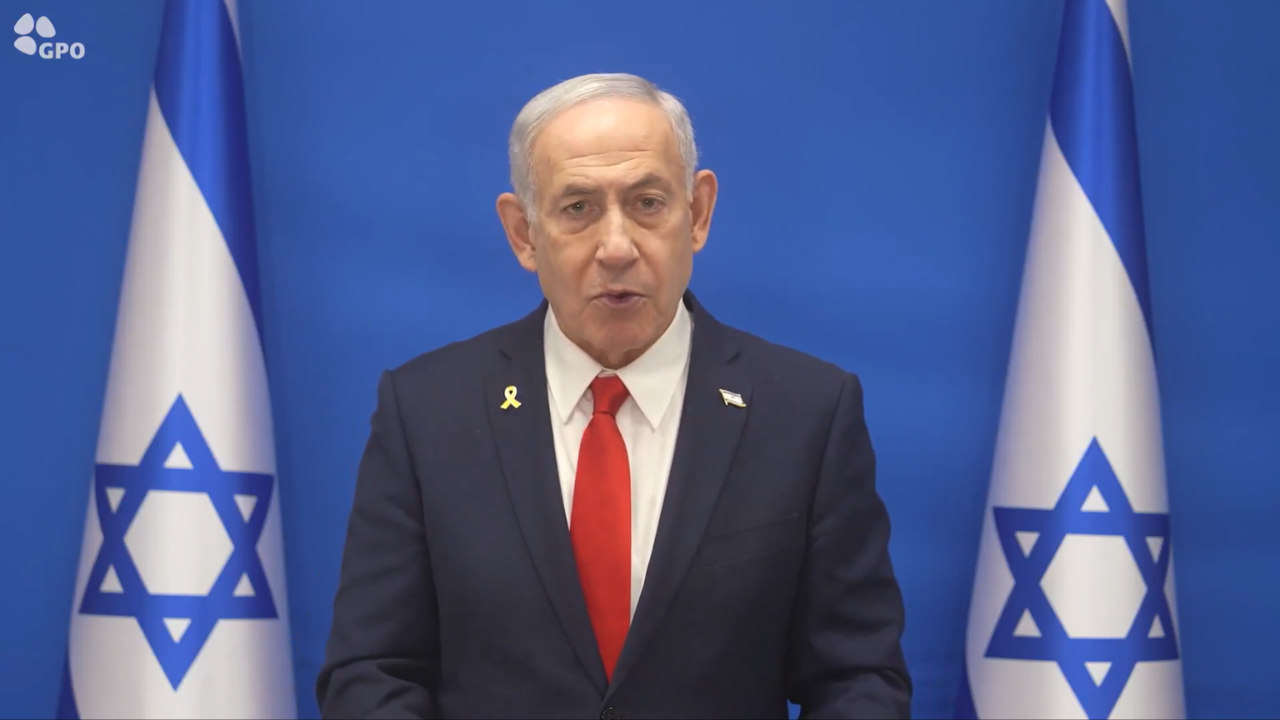
While a US-brokered framework promises a path to peace, the Israeli Prime Minister has made it clear that boots will remain on the ground until the Hezbollah threat is dismantled.
The ink on the trilateral framework agreement—signed with much fanfare in Washington—had barely dried before Benjamin Netanyahu set the record straight. While the US-backed deal aims to end decades of conflict between Israel and Lebanon through a phased transition, the Israeli Prime Minister’s latest statement serves as a stark reminder of the realities on the ground. Netanyahu confirmed that Israel will maintain its military presence in southern Lebanon, making the total disarmament of Hezbollah a non-negotiable condition for any future withdrawal.
A Phased Withdrawal or a Frozen Conflict?
The framework, mediated by the United States, maps out a transition where the Lebanese Armed Forces (LAF) are expected to gradually assume control of territory as the disarmament of non-state actors is verified. In exchange, the Israel Defense Forces (IDF) are slated for a series of redeployments. Netanyahu announced that two pilot areas have already been identified for this purpose—one south of the Litani River and another to its north—acting as a litmus test for the broader agreement.
However, the Prime Minister was quick to temper expectations. He signaled that these redeployments are tactical rather than strategic, insisting that Israel’s overarching security posture remains unchanged. For now, the displaced Lebanese civilians hoping to return to the security zone will have to wait; Netanyahu explicitly ruled out their return, maintaining that the area remains under firm Israeli control to ensure national safety.
The Washington Perspective
US Secretary of State Marco Rubio positioned the signing as the "beginning of the beginning," acknowledging the immense difficulty of the path ahead. Despite the diplomatic optimism emanating from Washington, the ground reality remains volatile. Clashes persist in southern Lebanon even as the framework is touted as a breakthrough, and Hezbollah has maintained a defiant stance, demanding an unconditional Israeli withdrawal. The disconnect between the high-level diplomacy in DC and the continued firing in the borderlands underscores how fragile this arrangement truly is.
Why it matters
This situation highlights a classic geopolitical standoff: Israel is leveraging the current agreement to formalize a "security zone" status quo, while the Lebanese state is struggling to exert sovereignty amidst the demands of militant factions. For Netanyahu, this framework is a mechanism to secure Israel's northern border without sacrificing tactical control. The real test will be whether the Lebanese Armed Forces can—or will—actually move to disarm Hezbollah as the deal requires. If they cannot, the "phased" redeployment will likely stall indefinitely, leaving the region in a state of managed, long-term tension rather than genuine peace.
Priya Nair covers parties, elections and the business of power for PoliticalPedia.