A Fragile Handshake: Netanyahu Digs In as Israel and Lebanon Sign US-Brokered Framework
Netanyahu says Israel to remain in south Lebanon despite US-backed peace framework
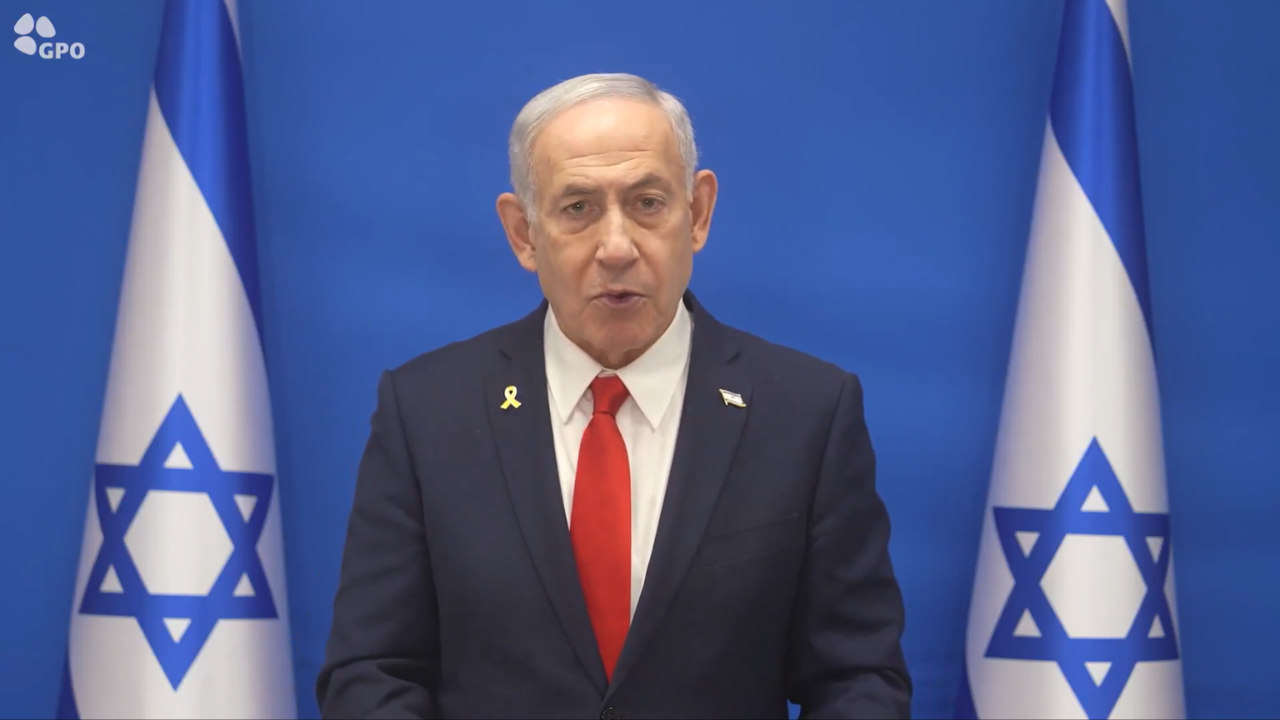
While Washington celebrates a breakthrough, the Israeli Prime Minister’s firm stance on maintaining a security presence in southern Lebanon keeps the path to true peace fraught with uncertainty.
The ink was barely dry on the trilateral agreement signed in Washington—a US-mediated framework intended to end decades of cross-border hostility—when Benjamin Netanyahu tempered the optimism with a sharp reality check. Standing before a camera in a pre-recorded statement, the Israeli Prime Minister made his government’s position clear: the Israel Defense Forces (IDF) are not going anywhere. For Netanyahu, the military’s continued presence in southern Lebanon remains non-negotiable until Hezbollah is fully and verifiably disarmed.
The framework, a high-stakes diplomatic maneuver, maps out a phased transition. Under this plan, the Lebanese Armed Forces (LAF) are expected to gradually assume territorial control as non-state armed groups are dismantled. In return, the IDF has agreed to a progressive redeployment from specific sectors. US Secretary of State Marco Rubio, acknowledging the long road ahead, described the signing as merely the "beginning of the beginning," a nod to the immense challenges that persist in moving from a paper agreement to a lasting ceasefire.
The Pilot Zones and Security Stakes
Despite the overarching goal of peace, Netanyahu emphasized that the withdrawal process would be clinical and cautious. He confirmed that Israel is moving ahead with two pilot zones—one south of the Litani River and one north of it—at the recommendation of his military commanders. However, these zones do not signal a total retreat. Netanyahu explicitly ruled out the return of displaced Lebanese civilians to the areas currently held under Israel’s security umbrella, insisting that the original security zone remains intact.
For those on the ground, the situation remains precarious. While the agreement provides a roadmap, reports of ongoing clashes persist, and Hezbollah continues to demand an unconditional Israeli withdrawal. This disconnect between diplomatic progress in Washington and the volatile reality on the southern Lebanon border underscores the fragility of the entire process.
Why it matters
This deal is as much about broader regional power dynamics as it is about Lebanon. By linking the agreement to the wider US-Iran diplomatic efforts, the current framework aims to dampen the regional firestorm. Yet, the pattern is clear: Netanyahu is choosing to prioritize long-term security architecture over immediate optics of a withdrawal. By insisting on a "verified" disarmament of Hezbollah before any substantial pullback, Israel is setting a high bar that will likely become the primary friction point for international mediators in the coming months.
The bigger picture suggests that while the US is pushing for a quick win to stabilize the Middle East, the ground reality is governed by a deep-seated distrust. If the disarmament of militant groups stalls—as critics fear it might—the pilot zones could easily become frozen conflict lines rather than stepping stones to peace. For now, the region is left in a state of suspended animation, waiting to see if the framework’s phases can survive the weight of the conflicting demands from both sides.
Priya Nair covers parties, elections and the business of power for PoliticalPedia.