Moscow to Mumbai: Why India is Betting on a 'Making in Russia' Strategy
'Making in Russia for India' eyes fertilisers, critical mineral mining JVs
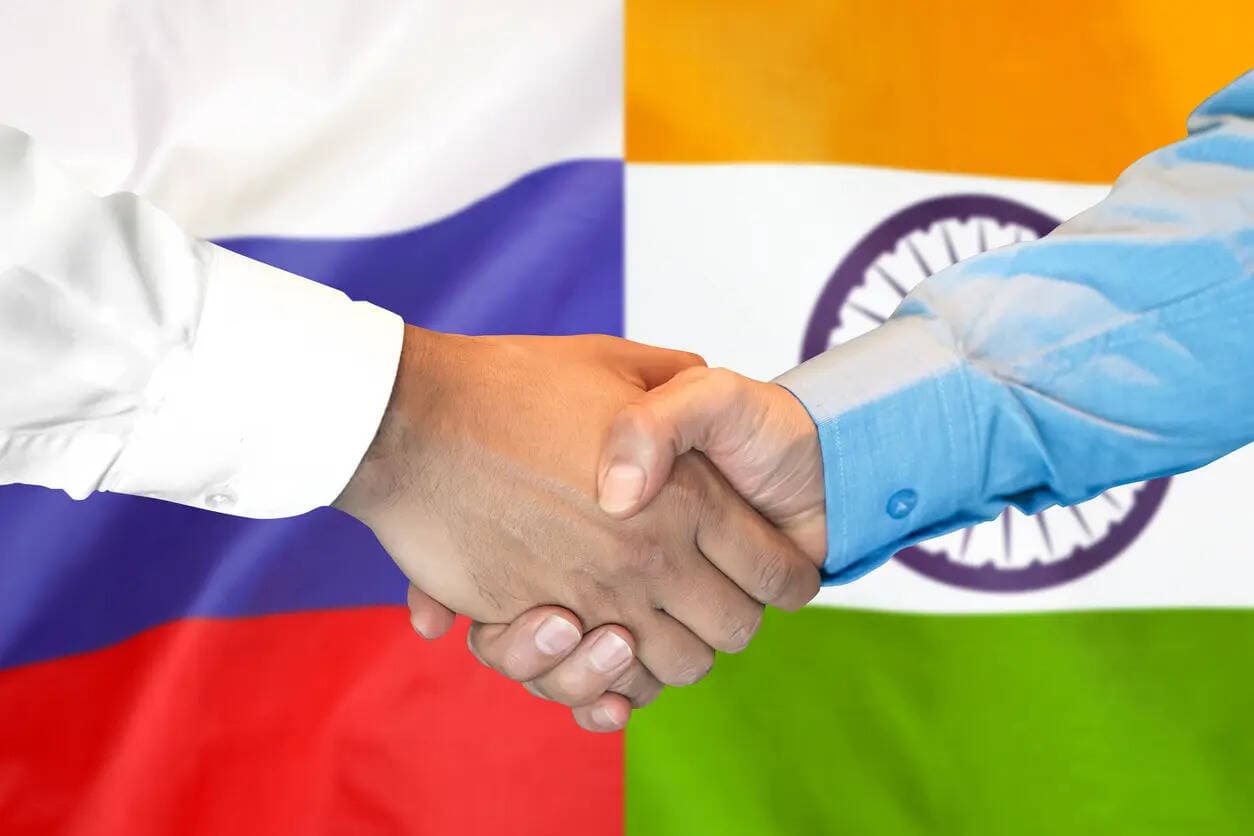
As New Delhi pushes to secure long-term resource stability, a new industrial roadmap is emerging that prioritizes joint ventures in Russian soil to feed the Indian market.
The playbook for India’s resource security is undergoing a quiet but significant shift. At the recent St Petersburg International Economic Forum, Indian Ambassador to Russia Vinay Kumar laid out a strategic vision: rather than just trading finished goods, India is pivoting toward a "Making in Russia for India" model. By establishing joint ventures (JVs) directly at the source of raw materials, New Delhi hopes to create a captive export pipeline that cushions the domestic economy against global supply chain shocks.
This isn’t just talk; it is already reflected in the ground reality of the fertiliser sector. With Russia currently serving as India’s largest supplier, the two nations are moving beyond simple imports. A massive urea plant is already in the works, designed to churn out 2 million tonnes annually with the singular purpose of feeding the Indian agricultural sector. It’s a classic de-risking strategy—ensuring that the inputs critical to India’s massive farm economy are insulated from the volatility of global commodity markets.
Scaling the $100 Billion Goal
The ambition behind this push is tied to the $100 billion trade target set by Prime Minister Narendra Modi and President Vladimir Putin during their summit last December. To reach that figure, the focus is expanding into critical minerals and mining. The logic is straightforward: Indian companies set up manufacturing sites within Russia, tapping into local natural resources and a growing pool of human capital.
The human connection is also deepening, with the number of Indian workers in Russia climbing to 100,000 in recent years. Ambassador Kumar noted that this mobility, combined with a robust framework for trade, is essential for building a resilient supply chain. Whether it is fertilizers or raw materials, the goal is to create an ecosystem that can meet the massive scale of Indian demand while leaving room for exports to third-party markets.
Why it matters: The Big Picture
This shift signals a maturation in India's "Make in India" philosophy. For years, the focus was primarily on domestic manufacturing. Now, the state is recognizing that true economic autonomy—especially in energy and agriculture—requires securing the upstream supply chain. By embedding Indian industrial interests into Russian territory, New Delhi is effectively outsourcing the production of critical inputs while retaining control over the final output.
This model also aligns with India’s broader digital and economic integration. As the Unified Payment Interface (UPI) processes 18 billion transactions monthly, India is looking to leverage its digital prowess alongside these tangible industrial JVs. The challenge, however, will be maintaining this delicate balance as India continues to manage its global trade relationships. For investors tracking market movements, from those looking at an asset allocation in a Nifty index fund to others monitoring info on commodity-linked stocks, this deepening partnership with Russia represents a structural change in how India intends to fuel its future growth.
World Desk at PoliticalPedia covers global affairs for an Indian audience in English and Hindi.